Chase in Atlantic. 16 sanctioned tankers attempt to break through US blockade - NYT

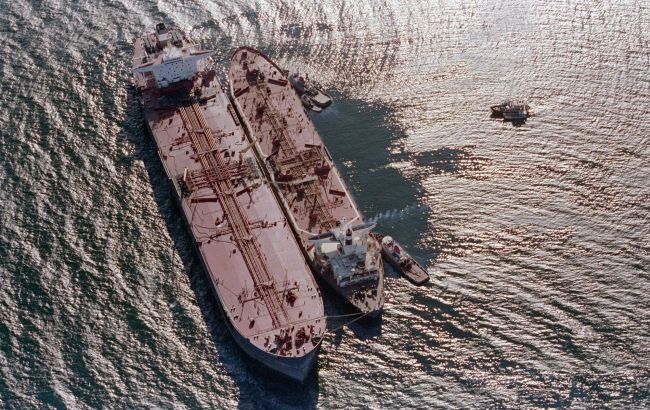 Illustrative photo: The US Navy pursues 16 tankers (Getty Images)
The United States has launched a large-scale operation to intercept tankers attempting to export oil from Venezuela in circumvention of sanctions. To break through, the vessels are changing their names and flags directly in the open sea, according to The New York Times.
Intercept operation
According to the outlet, a group of 16 tankers attempted to break through the maritime blockade of Venezuela imposed by the US administration. The US Navy deployed destroyers and aircraft to pursue the shadow fleet. One of the vessels has already been boarded by special forces to inspect its cargo and documents.
Camouflage at sea
To avoid detention, tanker crews are resorting to emergency camouflage methods:
- Changing identification: Vessels are changing their names and re-registering under the flags of other countries, including Russia, directly at sea.
- The Galileo example: One of the tankers quickly changed its name to Galileo. According to satellite monitoring data, several other vessels are preparing for a similar procedure.
- Turning off transponders: Most vessels of the shadow fleet have switched off their Automatic Identification Systems (AIS) to conceal their location.
Escape routes and movement tactics
According to satellite monitoring data, as The New York Times reports, 16 sanctioned tankers split into several groups in an attempt to disperse the forces of the US Navy.
Some of the vessels sharply changed course from the Caribbean toward the central Atlantic, trying to move beyond the operational response zone of the Coast Guard.
US intelligence recorded attempts by some tankers to come into close contact with one another for potential oil transshipment (ship-to-ship transfer), a common practice used to conceal the origin of the commodity.
Vessels that changed their flags to Russian are trying to enter neutral waters, where the legal basis for their detention could be challenged in international courts.
Context and US reaction
Stepping up pressure on Venezuela’s oil sector is part of the strategy of the Donald Trump administration to establish control over the region’s energy resources. Official Washington stated that any attempts to illegally export oil will be stopped.
On January 7, the US detained the Russian vessel Bella 1 (renamed Marinera) in the North Atlantic for sanctions violations. The tanker was tracked by the US Coast Guard cutter USCGC Munro on the basis of a US federal court warrant. The US Department of Justice is preparing criminal charges against the crew of Bella 1.
Another vessel of Russia’s shadow fleet, the tanker Sophia, was also seized in the Caribbean Sea.
At the same time, President Donald Trump left unanswered questions about whether Vladimir Putin had called him after the US military seized the vessel Marinera.
Today, the media reported that the US Coast Guard has detained a third sanctioned tanker, Olina.