Canada faces breakup fears as Alberta separatists push referendum

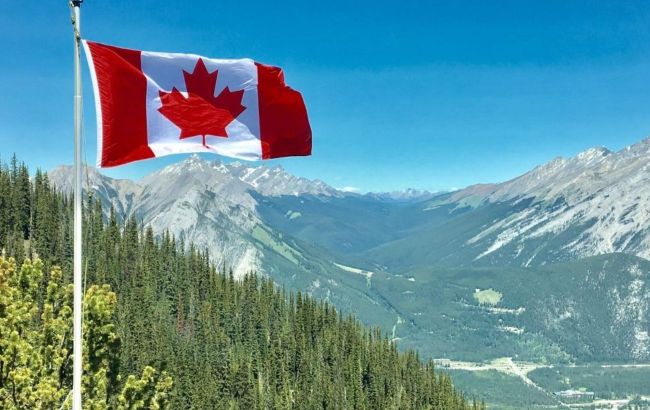 Canadian flag against a mountain landscape background (Photo: Pexels)
Separatists in the province of Alberta have announced that they have collected the required number of signatures for a referendum on secession from Canada. If the procedure is approved, the oil-rich province could hold a vote as early as this autumn, according to Newsweek.
Activists of the separatist movement Stay Free Alberta have submitted nearly 302,000 signatures to the Election Commission. This significantly exceeds the required minimum of 178,000 votes. However, the path to an actual referendum remains challenging.
A judge has temporarily banned verification of the signatures' authenticity. Administrative barriers are currently preventing the official procedure from being launched, and provincial officials are awaiting the completion of a legal review. Only after that will it be possible to discuss the next steps.
What is needed for a referendum
If the court lifts the restrictions, the Election Commission will begin immediate verification. After that, the provincial government will be able to approve the wording of the question and set an election day. The tentative date is October 19.
Alberta Premier Danielle Smith promises to hold a referendum if all conditions are met. At the same time, the official does not support the idea of full separation.
The Premier's press secretary commented on the situation to Newsweek:
"This means Alberta remaining a province of Canada while advancing provincial autonomy and fighting to undo Ottawa policies that harm Albertans and intrude on our constitutional rights."
Opposition from Indigenous peoples
Canada's Indigenous peoples have already spoken out against secession. Their lawyers argue that independence would destroy the treaty rights of Indigenous peoples, and these rights are protected under Section 35 of the Canadian Constitution. Judge Shaina Leonard allowed the collection of signatures but blocked their verification until the merits of the dispute are heard.
The provincial government is trying to maintain balance. Minister of Indigenous Relations Raja Sawhney stated:
"The Constitution is the highest law of the land. The protections for Aboriginal and treaty rights remain in force regardless of political debates over provincial autonomy."
What are the chances of Alberta separating?
Bookmakers and prediction markets are skeptical about the separatists' success. As of yesterday, the estimates look like this:
- The Kalshi platform estimates the chances of a referendum being held at 19.3 percent;
- The Polymarket resource gives even less — only 14 percent.
While the separatists are celebrating an interim victory with the signature collection, the actual secession of the province from the country remains very much in question. Overall, the attempt itself has already become the loudest political challenge to the Canadian authorities in recent decades, the publication concludes.
What other separatist movements exist in Canada and the US?
Canada
Bloc Québécois and the Parti Québécois. They demand full sovereignty for the French-speaking province of Quebec. Their main arguments are the protection of the French language and unique culture. The province has already held two referendums, and in 1995, unity supporters lost by only 1% of the vote.
Buffalo Party (Saskatchewan). Separatists from the province of Saskatchewan demand significant expansion of autonomy or full secession. Their goal is independent control over natural resources and freedom from federal laws they consider harmful to farmers.
US
Texas Nationalist Movement (or Texit). One of the most media-publicized movements in the United States. Supporters of Texit demand that Texas become an independent state. Their arguments include the constitutional right to secede, the desire to independently secure the border with Mexico, and keeping all taxes within the state.
Yes California (Calexit). A movement for California's secession from the US. Activists believe that the state is the fifth-largest economy in the world and could thrive on its own. They aim to build a progressive country that would not depend on political infighting in Washington or obsolete federal laws.
Alaskan Independence Party. They demand a referendum on the state's status. Their main goal is to restore Alaska's status as an independent territory, or at least to gain full ownership of all lands and resources in the region currently under federal control.
New Hampshire Independence Movement (NH Independence). A relatively young but aggressive group. They promote the idea of peacefully leaving the US. Their platform is based on libertarian values: minimum taxes, no state interference in citizens' lives, and complete financial independence from the federal government.
What else you need to know about Canada
A week ago, Canada changed the rules for refugees. Now, Ukrainians will have to pay out of pocket for some medical services.