Can music heal body and mind? Berlin Charité launches research with Berliner Philharmoniker

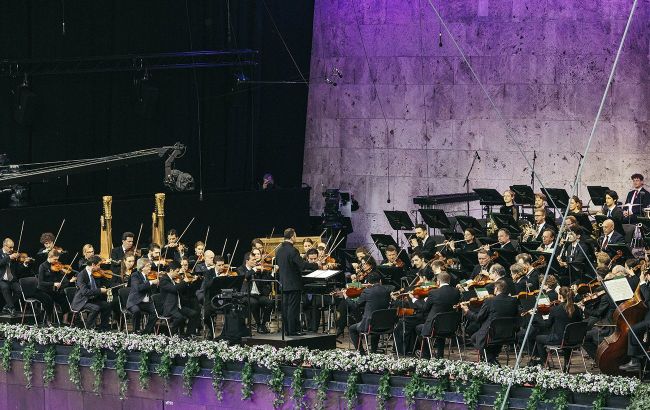 Berliner Philharmoniker (photo: Getty Images)
In Germany, the well-known Berlin University Hospital Charité and the Berlin Philharmonic Orchestra (Berliner Philharmoniker) have signed a cooperation agreement. They plan to jointly implement research projects at the intersection of music and medicine, according to their joint statement.
What is known about the cooperation
The statement says that both institutions aim to combine their capabilities to gain new knowledge about the impact of music on human health.
In particular, the clinic specializes in medical care, biomedical research, and education, while the philharmonic orchestra represents global artistic achievements, supports young musicians, and is engaged in cultural education.
As part of the partnership, the parties plan to study how music can affect:
- Disease prevention;
- Treatment;
- Mental health;
- Recovery of the body after exertion;
- Improvement of performance.
What research is planned
Among the areas of future projects:
- Music physiology;
- Neurobiological foundations of the impact of music;
- Application of technologies in the digital environment.
The development of formats for a wider audience is also planned. This includes, in particular, dialogue concerts and initiatives in the field of healthcare related to music.
In the cooperation, the music community will act not only as a research partner but also as an object of study.
The project aims to combine medicine, science, and culture for a deeper understanding of the impact of music on humans. The results obtained are planned to be used both in medical practice and for the wider public.
Similar approaches are already being applied in rehabilitation settings. At the Puscha Vodytsia center, Ukrainian military personnel undergo rehabilitation that combines medical treatment with emotional recovery. Soldiers are supported in overcoming post-traumatic stress disorder and adapting after injuries or vision loss through music therapy, psychological support, canine therapy, and family support.
An earlier report explains what post-traumatic stress disorder actually looks like and what should not be done if a person is in this condition.
This material is for informational purposes only and should not be used for medical diagnosis or self-treatment. Our goal is to provide readers with accurate information about symptoms, causes, and methods of detecting diseases. RBС-Ukraine is not responsible for any diagnoses that readers may make based on materials from the resource. We do not recommend self-treatment and advise consulting a doctor in case of any health concerns.