PTSD isn't anger: What it really looks like and how to help

 How to respond when someone experiences PTSD (photo: Getty Images)
Sudden outbursts, raised voices, tense body language, or a glassy stare don’t always indicate aggression or intentional conflict. In many cases, these can be signs of post-traumatic stress disorder (PTSD), a condition that develops after experiencing a life-threatening event or intense stress.
Ukrainian psychologist at the Betobee platform Anastasiia Bykova, and psychoeducator, told how to distinguish trauma responses from ordinary rudeness, what signals to watch for, and how to behave nearby without harming either the person with PTSD or yourself.
PTSD (post-traumatic stress disorder) can develop after someone experiences events that threaten their life or physical integrity, or after witnessing such events.
How to recognize PTSD
Reactive behaviors such as aggression or sudden outbursts of anger are often disproportionate to the situation. A person might raise their voice sharply or make sudden movements.
At the same time, they may not fully understand what’s happening to them. Their brain reacts faster than conscious thought, perceiving a threat and triggering a rapid response, which looks more like a breakdown than an intentional attack.
In contrast, ordinary rudeness or conflict is usually controlled and deliberate, aimed at achieving a goal.
"A key marker is the body: accelerated heartbeat, tense muscles, shallow breathing, and a ‘glassy’ or confused look. In such moments, the person may have trouble hearing, recognizing people or places, and may respond more to tone and movement than to words. Even neutral actions can be perceived as threats," emphasizes the psychologist.
How to respond to someone with PTSD
The priority is safety. If the situation could be dangerous for you or others, maintain physical distance and protect yourself. Offering help does not mean putting yourself at risk.
If there’s no immediate threat, follow these guidelines:
-
Keep a calm tone and avoid sudden movements.
-
Stay within the person’s line of sight (don’t stand behind them).
-
Speak in short, clear sentences; help ground them in the present and express support.
-
Give the person choices (e.g., "Would you like to sit down or go outside?").
-
Stay nearby without being intrusive.
-
Remember: the reaction is about their internal state, not about you personally.
What NOT to do:
-
Don’t shout or point.
-
Don’t shame or dismiss their feelings ("Pull yourself together," "People are watching").
-
Don’t touch without permission.
-
Don’t try to logically convince them there’s no danger.
-
Don’t force them to talk about the trauma itself.
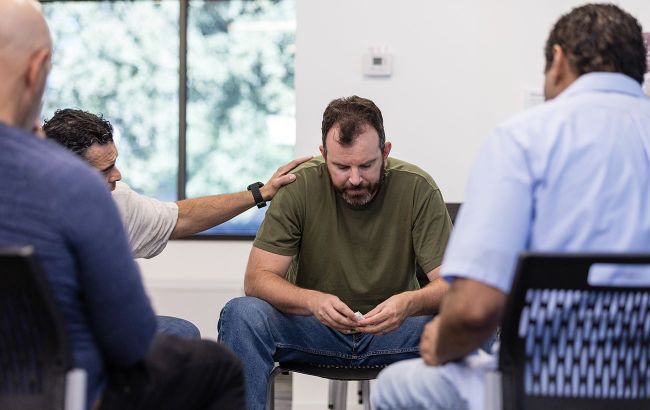
 PTSD can affect more than just soldiers (photo: Getty Images)
How to support a family member with PTSD
When it comes to a loved one, it’s best to discuss PTSD not during a flare-up, but when they are calm. You can ask what usually helps in such moments, what triggers them, and how you can best respond or provide support.
“If symptoms regularly interfere with work, communication, sleep, or lead to risky or destructive behavior, it’s important to raise the topic of seeking professional help. The goal is to inform, not pressure,” advises Anastasiia Bykova.
This may involve consulting a psychiatrist for physical symptoms or a psychologist to address emotional reactions and enhance overall well-being. The key point: PTSD can be treated, symptoms can be reduced, and quality of life can significantly improve.
“Being with someone who has PTSD can be challenging, and it’s okay to feel tired, frustrated, or unsure of what to do. Much of the support is simply being present and paying attention to both the person and yourself,” the expert concludes.