Can DNA test predict your cancer risk? Geneticist explains


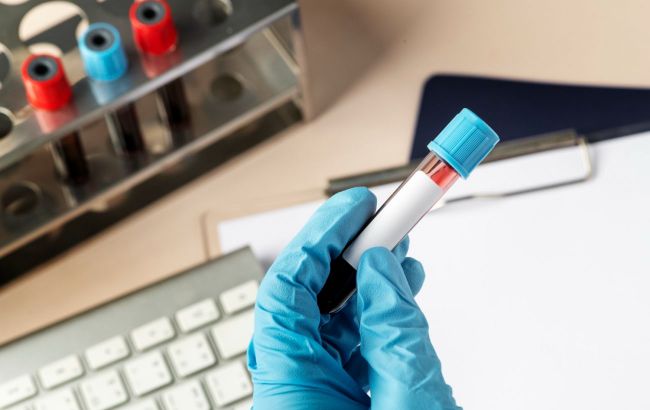 Do inherited forms of cancer necessarily develop into the disease? (photo: Freepik)
Genetic tests can detect a predisposition to cancer, but this does not mean that a person will necessarily develop the disease. The risk depends on how severely the function of genes responsible for protecting cells and repairing errors in DNA is impaired, geneticist Dmytro Mykytenko said in an interview with RBC-Ukraine.
Key points:
-
Hereditary forms account for 10–30% of cancer cases, while most tumors arise from spontaneous mutations.
-
DNA tests can identify a genetic predisposition to cancer, but they cannot determine whether or when the disease will necessarily develop.
-
The BRCA and TP53 genes are responsible for protecting cells: abnormalities in these genes can significantly increase the risk of different types of cancer.
-
If a hereditary predisposition to cancer is known before pregnancy, embryos can be tested for this genetic change.
Genetic predisposition to cancer
According to Mykytenko, in most cases, cancer develops due to a spontaneous mutation that disrupts cell function and leads to uncontrolled growth.
At the same time, approximately 10–30% of tumors may be associated with inherited familial forms, depending on their location.
"Inherited familial forms are not tumors themselves, but they create conditions in which this error-repair system does not work properly," the geneticist explained.
When genetic risk may manifest
Mykytenko explained that the effectiveness of the cell protection system matters. If it does not work at all, the disease may develop very early. If the impairment is less severe, mutations may accumulate for much longer.
"If the effectiveness is moderate, problems may occur at the age of 30–40. If the system has minor impairments, then somewhere around the age of 60–70," he noted.
At the same time, a genetic predisposition alone does not mean that cancer will develop with 100% certainty.
Why one gene can be linked to different types of cancer
As an example, the geneticist cited BRCA, one of the components of the DNA error-repair system. It is often associated with breast and ovarian cancer in women and prostate cancer in men.
At the same time, some genes are not linked to a specific organ. In particular, TP53 is supposed to help trigger cell death if a cell already has a mutation. If this mechanism is impaired, the cell may continue to divide, and a tumor may develop in different organs.
That is why, according to Mykytenko, cancer can occur in different members of the same family and affect different organs. This situation is called familial cancer syndrome.
Can a child be protected from an inherited predisposition?
According to the geneticist, if a person knows about a predisposition to cancer and is planning to have a child, modern reproductive technologies make it possible to test embryos.
"We can test the embryos and choose one that will not have this predisposition," Mykytenko said.
This material is for informational purposes only and should not be used for medical diagnosis or self-treatment. Our goal is to provide readers with accurate information about symptoms, causes, and methods of detecting diseases. RBС-Ukraine is not responsible for any diagnoses that readers may make based on materials from the resource. We do not recommend self-treatment and advise consulting a doctor in case of any health concerns.