Apple enters Era of Ternus: Radical redesign plans revealed

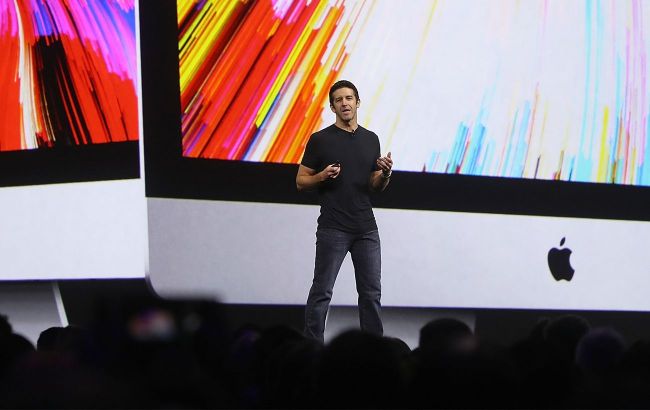 John Ternus is reforming Jony Ive’s secret studio (photo: Getty Images)
Decline of the legendary design studio
According to a report by Mark Gurman, Apple’s once-secret industrial design lab - where iconic products such as the iMac, iPod, and iPhone were created during the Steve Jobs and Jony Ive era - has completely lost its former influence and status within the company.
The organization no longer has direct representation in the top leadership circle and has become a purely technical unit, to which other departments turn only for prototypes and color selection for devices.
The breakdown of the structure began back in 2015, when Tim Cook elevated operational efficiency and profitability above creativity.
After Ive’s final departure in 2019, the studio was handed over to former Chief Operating Officer Jeff Williams, who does not have a formal design background.
This shift in priorities has led to the fact that the design of key product lines - Apple Watch, AirPods, and Mac - has remained largely unchanged for the past decade.
Mass talent drain and leadership shortage
After the end of Ive’s consulting contract in 2022, Apple experienced a wave of departures among top specialists.
The staffing crisis deepened last year when Alan Dye, head of the UI department, moved to Meta Platforms Inc., taking a significant portion of leading software designers with him.
The current head of the division, Molly Anderson, is respected within the team but lacks the management experience and scale needed for radical structural reform.
The studio is now mostly staffed with young professionals with limited experience, and the company currently has no clear leadership succession line in the design division.
Read more: Apple prepares competitor to Samsung Fold: leaks reveal iPhone Ultra specs
“Era of Ternus” and product plans for 2026–2027
The new CEO, John Ternus, who previously led Apple’s hardware engineering segment, plans to refocus the company on creating unique products rather than merely optimizing supply chain costs.
Last year, he personally took over oversight of the design studio and began spending significantly more time with its specialists than his predecessor.
The reform will unfold alongside one of the busiest product launch schedules in the brand’s history:
Fall 2026: announcement of the iPhone 18 Pro and Pro Max lineup, the first foldable iPhone Ultra, Apple Watch Series 12 and Ultra 4, as well as a base iPad with an updated processor supporting Apple Intelligence.
Additionally, new Apple TV and HomePod mini devices with AI support are in closed testing.
Spring 2027: launch of the second-generation iPhone Air, expected to fix key shortcomings of the first version with a better battery and a second main camera.
Fall 2027: release of the anniversary iPhone 20 Pro and Pro Max, the second-generation foldable device, the first Apple smart glasses (their release was pushed from late 2026), and AirPods with built-in cameras capable of analyzing surroundings and transmitting data to Siri AI.
2027–2028: launch of a home smart display with a robotic arm, as well as development of a new version of the Vision headset.
Read more: New iPhone, OLED MacBooks and AI accessories - Apple’s plans revealed
Status of early beta versions
According to Gurman, the traditional June release of developer beta versions of new operating systems shows significant instability.
Users are advised to avoid installing the first builds of macOS 27 and watchOS 27 on primary work devices due to numerous bugs, freezes, and slow performance.
iPhone and iPad builds are more stable, but the iPhone 17 Pro Max has shown occasional significant overheating. At the same time, data indexing algorithms for AI search and the new Siri require more time to fully analyze local files.