Ammunition for Ukraine in question amid funding gap in Czech plan

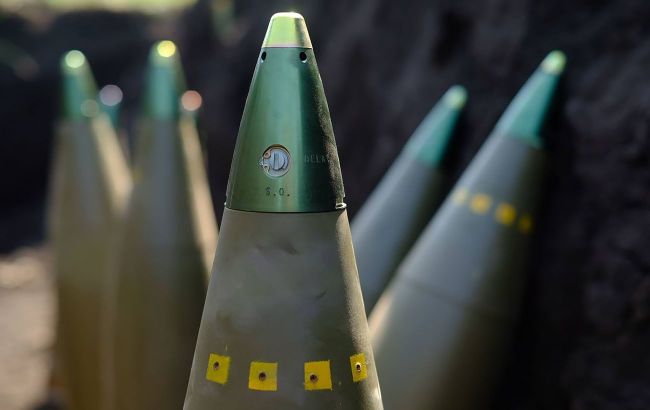 Photo: The Czech initiative to supply Ukraine with ammunition is facing a funding shortfall (facebook.com/GeneralStaff.ua)
The Czech initiative to supply Ukraine with ammunition is facing a funding shortfall. Of the €5.06 billion needed, only €1.4 billion has been raised so far, Reuters reports.
Read also: Pentagon to punish arms giants after Ukraine waited 18 months for ammunition
The program helps Ukraine secure large-caliber shells to enable its Defense Forces to counter Russia more effectively. Germany, Denmark, and the Netherlands have joined the project, along with Czech military officials and arms manufacturers.
According to NATO forecasts released last December, the initiative was expected to deliver 1.8 million artillery rounds in 2025. That would account for 43% of all ammunition supplied to Kyiv and approximately 70% of Soviet-caliber shells.
A source familiar with the matter told Reuters that ammunition worth €16 billion is currently available on the global market. According to the source, NATO plans to spend €5 billion primarily to purchase hundreds of thousands of artillery shells under the Czech initiative.
Former Czech Foreign Minister Jan Lipavský said donors allocated around €4.05 billion last year to purchase ammunition under the initiative. He noted that Czechia’s contribution amounted to about 3 billion koruna (€123.7 million).
Weapons for Ukraine
Last year, the United States and NATO launched the PURL program, which enables the supply of American weapons to Ukraine with financial backing from European countries. More than 20 nations have already joined the initiative.
In 2026, Ukraine will need $15 billion worth of US weapons provided under the PURL framework. In particular, the country requires air defense systems, especially Patriot and NASAMS.
Earlier, Ukrainian President Volodymyr Zelenskyy said that without US support, the Defense Forces would be unable to protect the country’s skies. He stressed that Russia is deploying hundreds of drones and missiles, while air defense systems remain in short supply.