Adding 4 years to your life: Learn how the 7:1 rule works

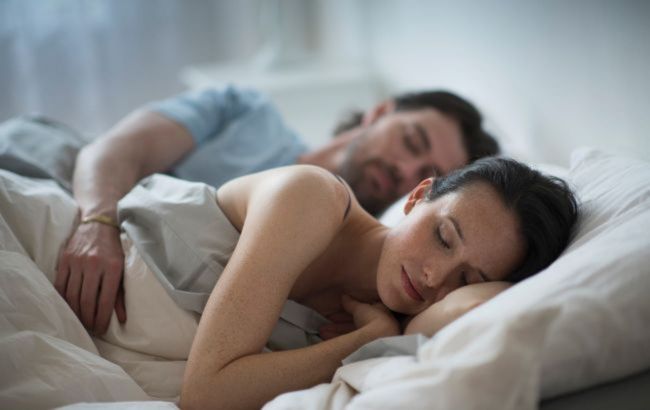 The science-backed habits that can increase people's lifespan (photo: Getty Images)
Chronic sleep deprivation and the lack of a consistent sleep schedule have become increasingly common in modern life. Ongoing sleep disruption interferes with the natural recovery processes in the body, significantly increasing the risk of dementia, stroke, and heart disease. Daily Mail explains which simple habit could add up to four years to your life.
What we should know about sleep
Sleep is the most important recovery system for the body. During the night, blood pressure drops, tissues repair themselves, and the brain actively processes information accumulated throughout the day. To keep these processes running efficiently, experts from the London School of Economics (LSE) and health insurer Vitality recommend adopting a routine known as the 7:1 rule.
How 7:1 rule works
The method is simple but effective. It is based on three key principles:
- Get exactly seven hours of sleep
- Go to bed within the same one-hour window each night (for example, consistently between 10:30 p.m. and 11:30 p.m.)
- Follow this schedule at least five nights a week.
Researchers say the five-night target makes the habit more realistic and easier to maintain. It allows some flexibility on weekends without creating stress or disrupting a healthy long-term routine.
Impressive health benefits
A large-scale analysis found that following the 7:1 plan reduced the overall risk of death by 24% and lowered the likelihood of hospitalization by 7%. Researchers also found that consistently getting high-quality sleep on this schedule could add up to four years to a life. The earlier people develop this habit, the greater the long-term health benefits.
At the same time, scientists warned about the serious risks of chronic sleep deprivation. People who sleep fewer than six hours a night face a 20% higher risk of premature death than those who regularly get the recommended seven to eight hours of sleep.
This material is for informational purposes only and should not be used for medical diagnosis or self-treatment. Our goal is to provide readers with accurate information about symptoms, causes, and methods of detecting diseases. RBС-Ukraine is not responsible for any diagnoses that readers may make based on materials from the resource. We do not recommend self-treatment and advise consulting a doctor in case of any health concerns.