5 lawn care mistakes that are killing your grass

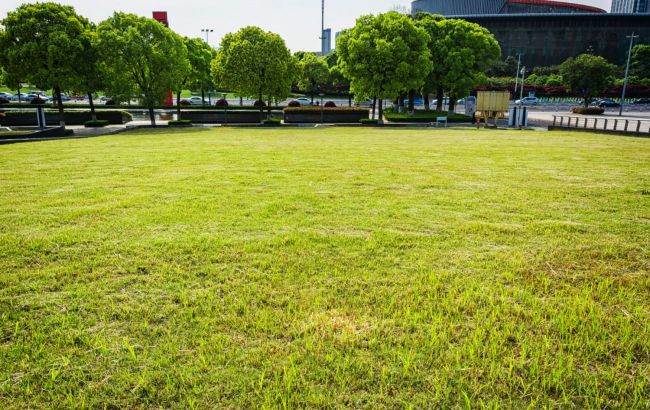 Main lawn care mistakes (photo: Freepik)
Even the condition of a perfect lawn can suddenly deteriorate due to several mistakes that often go unnoticed for a long time. Homeowners repeat them year after year without realizing the consequences, according to Real Simple.
Using dull lawn mower blades
Lawn care can be time-consuming, so people sometimes forget to do simple but important tasks, such as sharpening mower blades.
Cutting with a dull blade can shred grass blades, causing increased stress, which can damage the grass, increase water loss, and promote disease development.
It is best to sharpen blades once a year at the beginning of the season so this is not missed.
Not treating the lawn
Lawn treatments are very important because they support grass health, density, and reduce weeds and diseases.
Main groups of treatments:
- fertilizers — restore nutrients that grass quickly removes after mowing (mostly nitrogen, phosphorus, potassium)
- herbicides — eliminate unwanted plants that compete for water and nutrients
- moss and disease treatments — used when fungi, yellowing, or moss appear
- aeration — improves air and water access to roots
Lawn treatments are most effective when applied before problem areas or pests appear.
Overwatering
When soil pores are constantly filled with water, air is displaced. Plant roots and beneficial microorganisms begin to “suffocate.” In overly wet conditions, fungi and bacteria develop quickly, causing root rot.
Water also washes nitrates, potassium, and other nutrients deeper into the soil where roots can no longer reach them. After drying, overwatered soil often becomes more compact and less permeable.
Deep but infrequent watering allows soil to dry between sessions, reducing disease risk and encouraging deeper root growth.
If overwatering occurs, allow the soil to dry and perform aeration. This can improve drainage and root growth.
Ignoring bare patches
Bare patches on a lawn are not only unattractive but also create a risk for weed growth. Open spaces allow weeds to grow without competition from grass.
This can lead to weeds spreading and taking over the lawn.
Cutting the grass too short
As a result, grass uses more energy to regrow leaves. The soil dries out faster, and the risk of burning in heat or after frost increases.
Rule of thumb: never cut more than 1/3 of grass height at a time.