Make your lawn envy-worthy: Secret to lush green grass unveiled

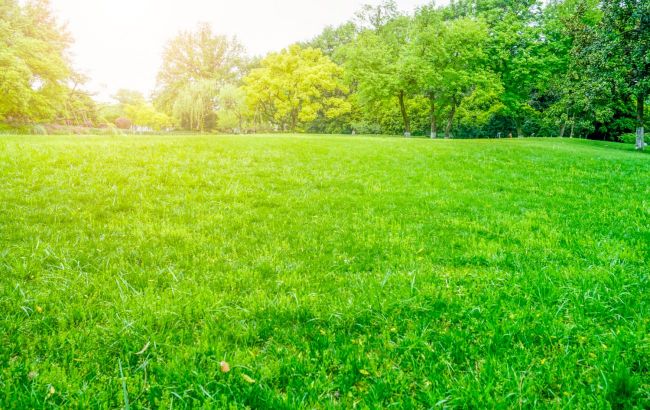 How to care for your lawn to keep the grass green (photo: Freepik)
A lawn’s condition directly depends on soil care, watering schedule, and timely fertilization. It’s also important to aerate the lawn in spring, according to Real Simple.
What is lawn aeration?
Aeration is the process of loosening compacted soil so that water, air, and nutrients can better reach the roots. It’s usually done with a mechanical aerator, which is pushed across the lawn, leaving a trail of holes behind.
There are two main types of aerators: plug and spike. Plug aerators remove cores of soil and deposit them on the surface, while spike aerators simply puncture the soil, allowing nutrients to reach the roots.
Why it’s important
Over time, lawns naturally compact due to walking, mowing, and other activities. Compacted soil can affect grass quality by preventing nutrients, water, and air from reaching the roots.
Aeration reduces soil density, helping nutrients reach the roots where they can be absorbed. Without aeration, lawns can weaken and thin out. Another benefit is reducing thatch buildup – a layer of dead roots and grass that can block water and nutrients from the lawn.
The result of aeration is a denser lawn with deeper, healthier roots.
You can check soil compaction yourself using a screwdriver: insert it in several spots. If it’s very hard to push in, your lawn may benefit from aeration.
When to aerate
Aeration should be done during peak growth periods when the grass is healthiest – usually late spring or early fall. Lawns recover faster if they aren’t stressed by heat, drought, or winter frost.
For most lawns, once a year is enough. Highly compacted lawns may benefit from aeration twice a year.
Step-by-step guide
Water well. About a week before aeration, water the lawn thoroughly to soften the soil.
Mow the lawn. Do this the same day you plan to aerate.
Mark obstacles. Take a moment to mark any obstacles, such as stones, trees, or other objects to avoid during aeration.
Aerate. Using an aerator attachment or device, go over the lawn in two to three directions. The more holes, the better.
Fertilize (optional). After aeration, you can apply liquid fertilizer to speed up recovery and enhance results.