2025's most mind-blowing technologies: Minecraft on lightbulb, fungus batteries and others

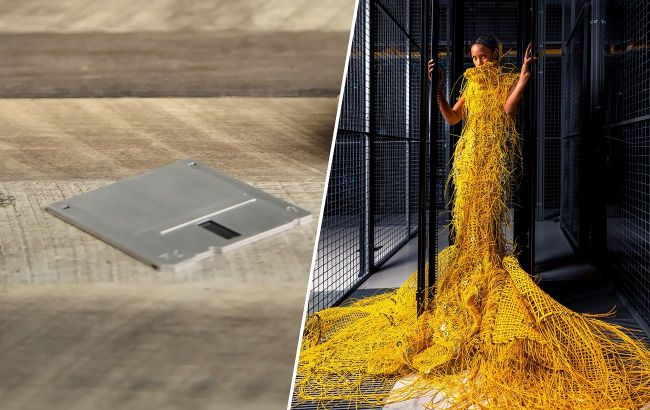 Strangest and most unexpected tech experiments of 2025 (collage: RBC-Ukraine)
2025 was a year full of unusual technological experiments. From games that can run on lamps to batteries powered by mushrooms, engineers and inventors kept amazing the world, according to TechRadar.
Japan creates fabric speakers
A Japanese startup has unveiled a fabric speaker that produces sound across its entire surface. The device uses flexible electronics developed at the National Institute of Advanced Industrial Science and Technology (AIST).
Sensia Technology’s design is so thin that it can be hung like a tapestry or placed under bed linens. While volume and sound quality remain modest, the concept of portable or pillow speakers made the project one of the most unusual audio experiments of the year.
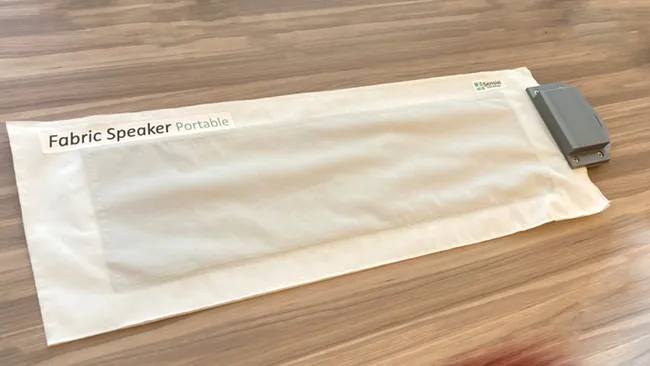
Fabric speaker (photo: Sensia Technology)
Minecraft runs on a smart light bulb
A hardware enthusiast proved that a Minecraft server can run on a smart LED bulb. By reprogramming a RISC-V microchip and using a minimalist version of the server, he managed to provide basic gameplay for several players.
While there is almost no practical use, the very fact that Minecraft can run on a light bulb became an internet sensation.
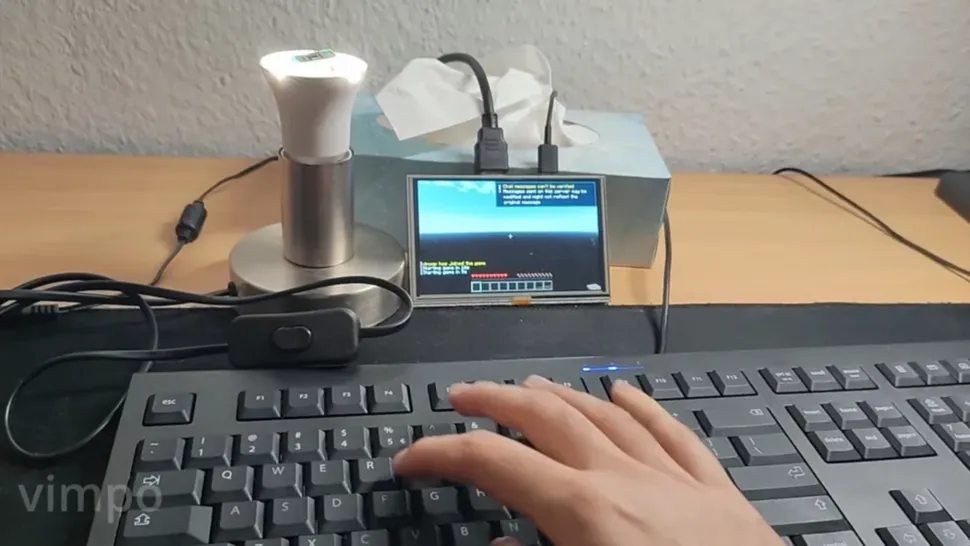 Minecraft running on an LED bulb (photo: Vimpo)
Dress woven from the internet
A fashion designer created a dress weighing over 22 kg using about 3.6 km of decommissioned fiber optic cable. The project transformed the physical infrastructure of the internet into an art piece.
The creation took 640 hours, and the dress debuted ahead of London Fashion Week. It is not intended for sale or wearing and serves as an artistic statement on the material nature of the digital world.
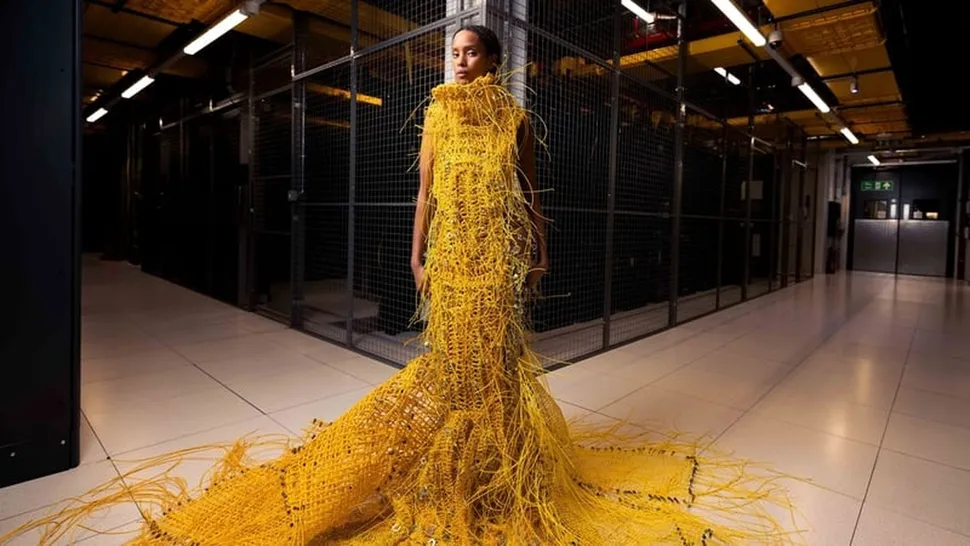 Dress made of fiber optic cable (photo: RTE)
Floppy disk built from scratch
A YouTube blogger decided to recreate a floppy disk entirely from scratch. Using CNC machines, laser cutting, and homemade magnetic coating, he managed to create a functional data storage medium.
Although completely impractical by modern standards, the project became an impressive tribute to obsolete technology.
.png) Screenshot
Screenshot
McDonald's is giving over free nuggets
A cybersecurity researcher trying to get free McNuggets discovered serious vulnerabilities in McDonald's online systems. Simple URL changes allowed access to internal marketing platforms, and passwords were transmitted in plain text via email.
The company fixed some issues, but the incident highlighted how easily systems could be hacked. A month later, other researchers hacked Burger King, calling its security level paper-thin.
An electric car drives on the ceiling
The McMurtry Spéirling electric hypercar demonstrated the ability to drive upside down. Thanks to a powerful fan system, the car generates downforce, allowing it to stick to surfaces.
This technology is not just for show. It helps the car maintain grip on the road and outperform ultra-expensive sports cars.
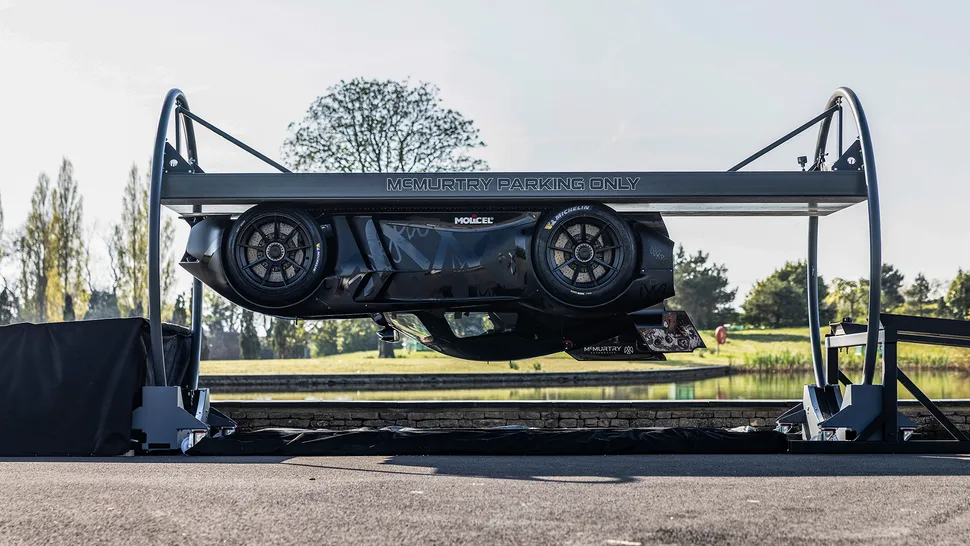 McMurtry Spéirling (photo McMurtry)
A fluffy robot that monitors people
A Japanese company introduced the robot Mirumi, which attaches to bag straps and observes people around it. The device is equipped with sensors and a movable head, reacting to people with curiosity or irritation.
The robot caused a stir at CES and also raised questions about why users need a watching accessory.
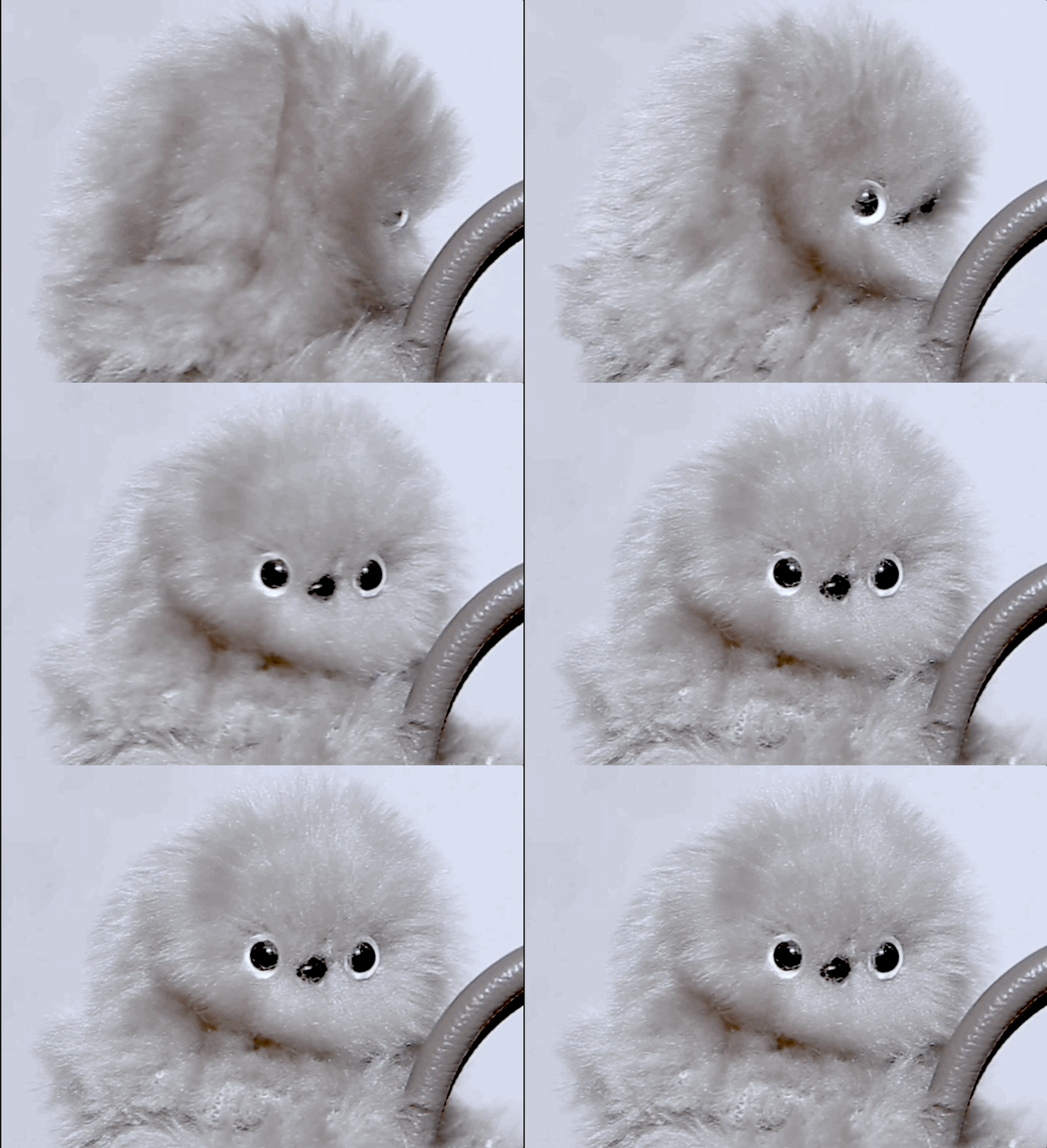
Fluffy clip-on robot (gif Yukai Engineering)
Mac mini transformed into 1984 Macintosh
Retro dock turns Mac mini M4 into a miniature Macintosh with a built-in LCD screen. The device adds ports, memory expansion, and a nostalgic design. The screen is mostly decorative, ventilation raises questions, and the price sparks debate, but the product caught Apple fans’ attention.
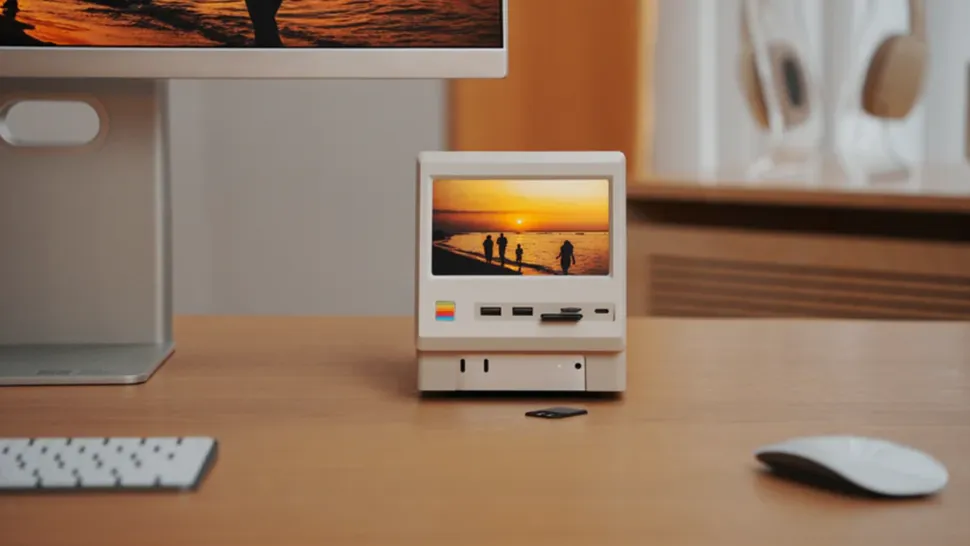 Mac mini transformed into Macintosh (photo Wokyis)
Mushroom batteries that consume sugar
Scientists created a biodegradable power source powered by living mushrooms. Inside a 3D-printed structure, two types of mushrooms generate energy when supplied with sugar and water.
After finishing its work, the device decomposes within a few days, making it one of the most unusual eco-projects of the year.
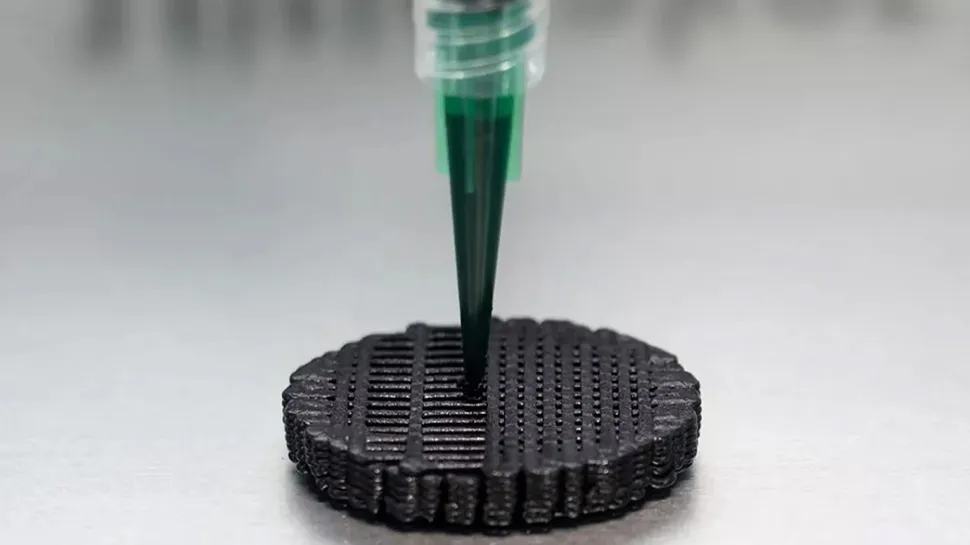 Mushroom-powered batteries (photo: Empa)
Renting live human brain cells
A startup launched a service for renting live human brain cells grown on a silicon chip for 300 per week. The biological computer executes real code using neurons kept alive with life-support equipment.
Designed for scientific research rather than gaming, the system is cheaper than renting a gaming console and allows scientists to conduct experiments with real neurons via the cloud.
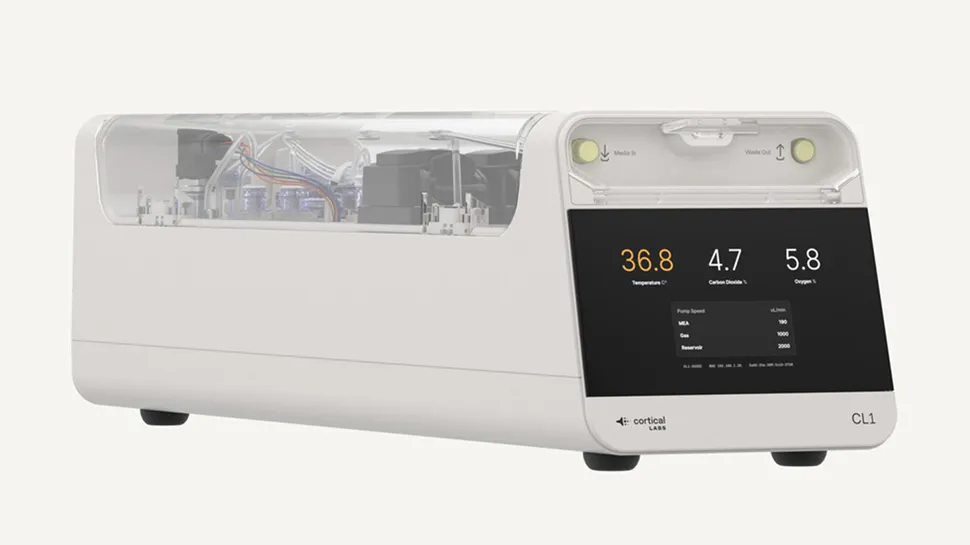 The system processes neural signals in real time (photo: Cortical Labs)
A book encoded in DNA that cannot be read
A biotechnology company sold the first book in the world stored in DNA for $65. About 500 KB of text was encoded into synthetic DNA and placed in a sealed capsule.
The book cannot be read without laboratory equipment and is more of a technological artifact than a literary work.
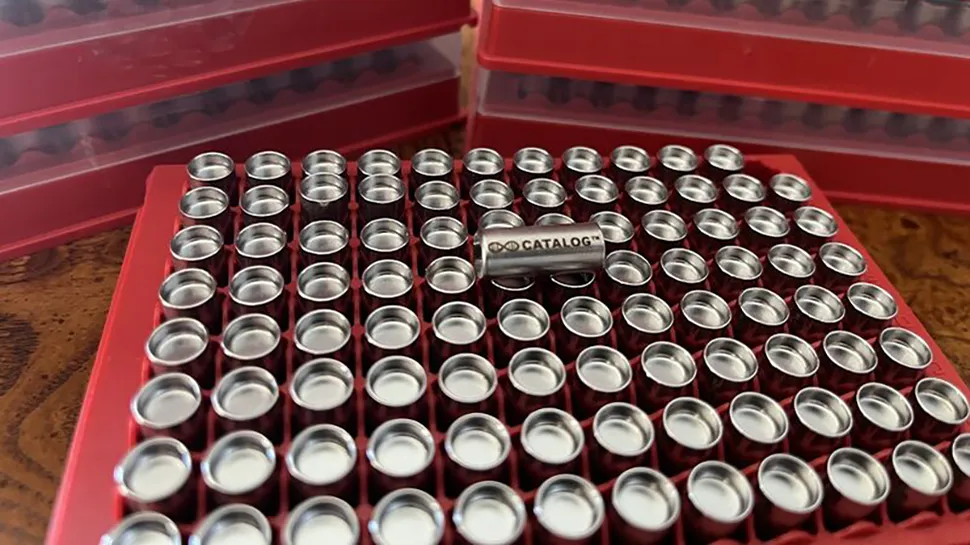 First book stored in DNA sold by biotech company (photo: CATALOG)