10 legendary horror movies that changed cinema forever

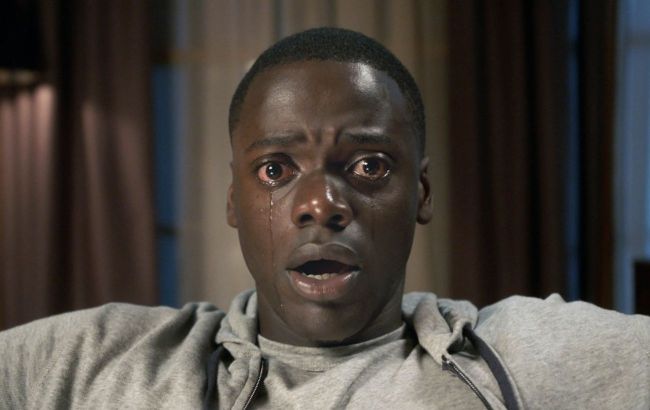 Still from the film “Get Out”
Horror films have long ceased to be just nighttime scares. Over the past century, the genre has become one of the most influential in cinema: reflecting societal fears, setting trends, exploring new themes, and even defining how tension can be built on screen.
RBC-Ukraine has compiled a list of 10 iconic films considered true horror masterpieces that have left their mark on film history.
The Thing (1982)
John Carpenter’s legendary horror turned paranoia itself into the ultimate monster.
Somewhere in the Antarctic wilderness, a group of people finds themselves trapped alongside a creature capable of imitating anyone.
The fear in this film comes not only from the gruesome scenes but from the uncertainty of who you can really trust.
The practical effects are so realistic that they still unsettle viewers today, and the story makes the terror internal; the monster could be anyone.
Get Out (2017)
One of the most important horror films of the 21st century, blending psychological thriller, social satire, and a growing sense of dread.
Jordan Peele proved that horror can terrify not just with monsters, but with reality itself: racism, privilege, and hidden aggression.
Here, fear emerges from small details, glances, and a strange sense of normalcy that gradually turns into a nightmare.
The Wicker Man (1973)
One of the most powerful folk horror films, masterfully terrifying through atmosphere. The movie doesn’t throw bloody scenes at the audience every minute; it slowly and relentlessly draws you into the strange world of a pagan community, where something feels off from the very first moments.
The film’s greatest strength lies in the chilling sense of inevitability and a finale that is impossible to forget.
Alien (1979)
Ridley Scott created the perfect blend of science fiction and horror, where space is not romanticized but becomes a claustrophobic trap.
The Xenomorph, designed by H.R. Giger, is one of the most legendary creatures in film history, and the tension builds not through sudden jump scares, but through the anticipation of disaster.
Sigourney Weaver as Ripley became one of the strongest heroines in the genre, and the film itself permanently changed the rules for survival horror.
The Witch (2015)
This film is an example of how horror can be quiet, cold, and profoundly unsettling.
Robert Eggers immerses the audience in 17th-century New England, where faith and fear exist side by side, and paranoia destroys a family from within.
Here, the horror doesn’t jump out of the darkness; it slowly seeps into every scene until you start to feel that there is no escape.
Bride of Frankenstein (1935)
A rare case where a sequel proved even stronger than the original. This is not just a horror film, but a sad and, at the same time, beautiful story about loneliness, rejection, and the desire to be accepted.
The film combines tragedy, dark humor, and Gothic style, which became the foundation of classic horror cinema.
Halloween (1978)
Carpenter proved that sometimes the scariest thing is simplicity. Instead of monsters, the film features an ordinary suburb and the silent Michael Myers, who shatters any sense of safety.
This film established the slasher canon, made Jamie Lee Curtis a genre legend, and gave cinema one of its most recognizable musical themes.
The Exorcist (1973)
One of the scariest films of all time, it shattered the boundaries of what horror could show on screen.
It terrifies not only with possession but also with how real everything feels: the pain, fear, helplessness, and the struggle between faith and reason. Even today, the film retains its power and continues to evoke intense emotions.
Jaws (1975)
Steven Spielberg made the ocean scarier than any haunted house.
The shark remains almost invisible for much of the film, and that’s exactly what works: the fear is born in the imagination.
John Williams’ iconic score became a symbol of danger, and the film not only terrified a generation but also fundamentally changed Hollywood, turning the blockbuster into a cultural phenomenon.
The Shining (1980)
Stanley Kubrick created a horror that scares not with screams, but with silence. The Shining is a psychological nightmare, where the Overlook Hotel becomes a living monster, and Jack Nicholson’s character slowly descends into madness.
The film has been analyzed for years for its meanings, symbols, and theories, and its imagery has long become part of pop culture.
You might be interested in: