$2,000 Shahed killer: Ukraine unveils high-speed ZIRKA drone interceptor

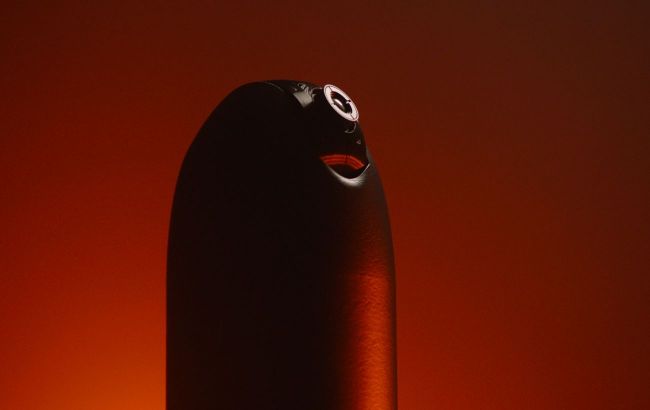 Photo: ZIRKA interceptor (Vyriy Industries)
Ukraine has unveiled the new ZIRKA interceptor drone, designed to counter Shahed-type attack UAVs. The system can automatically detect and destroy high-speed enemy drones, according to the manufacturing company.
Specifications and capabilities of the ZIRKA interceptor
The new drone was developed by NOCTIS with investment support and technical expertise from Vyriy Industries. Its design is based on real combat experience of the Darknode anti-Shahed battalion.
Engineered specifically to intercept fast and maneuverable aerial threats, the system boasts the following technical specifications:
-
Speed: Over 340 km/h
-
Operational altitude: Up to 6 km
-
Flight time: Up to 20 minutes
-
Operational range: 30 km
The cost of a single ZIRKA drone is up to $2,000, which is the lowest price among interceptor drones equipped with automatic target detection and terminal guidance systems, according to the manufacturer.
Project development and scaling
The project was brought to life by a team of engineers and software developers with hands-on experience in countering aerial threats. NOCTIS is fully responsible for the interception technology, software, automation, as well as product sales and support.
Meanwhile, Vyriy Industries backs the platform's growth as an investor and manufacturing scalability partner. According to Vyriy Industries CEO Oleksii Babenko, Ukraine’s defense industry needs stronger teams and high-quality products to win the technological race.
Developing the upgraded ZIRKA 2.0
The next stage in the platform's evolution will be the development of the ZIRKA 2.0 modification. Oleksii Komlichenко, Business Development Director at NOCTIS, noted that the upgraded version will feature automated deployment to the target detection zone and enhanced thermal imaging optics. This will allow the drone's machine vision to detect enemy UAVs at a distance of up to 2 km.
The upcoming version will also integrate advanced detection and guidance algorithms, upgraded communication solutions, and an automatic warhead detonation system near the target. These upgrades aim to make the interception process as autonomous as possible, ensuring maximum safety for operating crews.
In June, Ukraine’s Ministry of Defense approved the new domestically developed TALION unmanned aerial system for operational use. The drone is capable of serving both as an interceptor against enemy UAVs and as a kamikaze strike aircraft.