End of hospitality? Switzerland plans population limit - What to happen to refugees from Ukraine

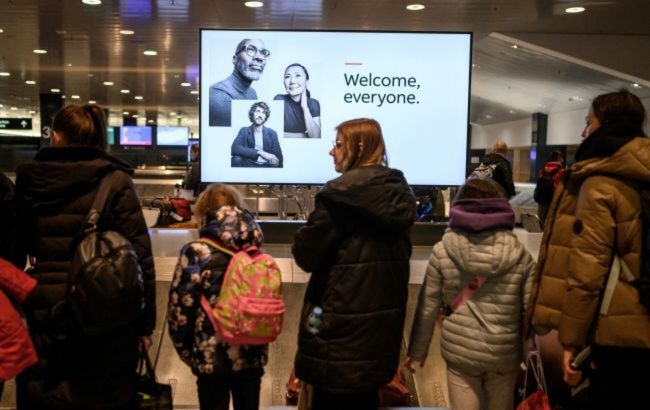 Illustrative photo: refugees in Switzerland (Getty Images)
The referendum in Switzerland on a population limit could result in the cancellation of “S” status for Ukrainians and a ban on the entry of new refugees, according to Swissinfo.
The population limit referendum in Switzerland has raised concern because it could directly affect Ukrainians residing in the country. The initiative, proposed by the right-wing Swiss People’s Party (SVP), aims to legally cap the population at 10 million by 2050.
If approved, the law would restrict immigration, including asylum applications and family reunification, once the 10-million threshold is reached. Temporary protection statuses, such as the Ukrainian “S” status, could also be revoked.
Swiss authorities and parliament oppose the initiative, citing potential economic risks. Critics warn that limiting immigration may strain the labor market, hinder access to skilled workers from abroad, and threaten Switzerland’s agreements with the EU on free movement and trade.
Supporters argue that population growth, up nearly 70% since 1960, largely due to migration, has overburdened infrastructure and created housing shortages. In contrast, opponents, including businesses and liberal parties, stress that restricting population growth could worsen the existing labor shortage.
Polls from December 2025 indicated about 48% support among voters, reflecting economic dissatisfaction and anti-immigrant sentiment. If the population exceeds 9.5 million under the proposed law, the government would be obliged to:
-
Suspend new asylum applications;
-
Significantly limit family reunification rights;
-
Revoke temporary protection statuses, including the Ukrainian “S” status.
For the more than 65,000 Ukrainians in Switzerland, this could mean a shift from integration policies to measures encouraging return, with possible revisions or cancellations of international agreements on free movement and humanitarian protection.
The referendum is scheduled for June 14, 2026.