Russia must be cornered to get to real talks: Interview with Ukrainian Foreign Minister Andrii Sybiha


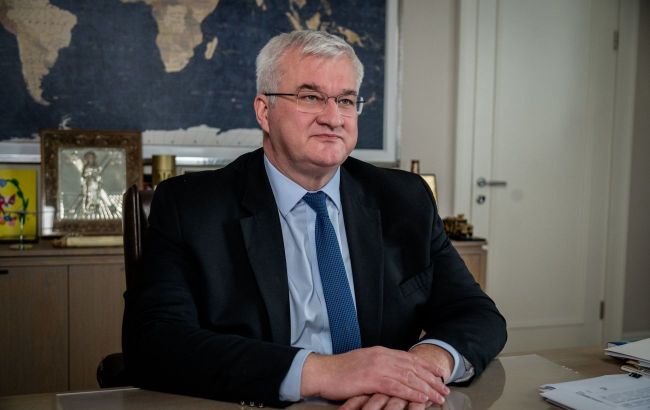 Ukrainian Foreign Minister Andrii Sybiha (photo: MFA press office)
US President Donald Trump has once again turned against Ukraine and Volodymyr Zelenskyy, accusing the Ukrainian leader of being “unwilling to make a deal.” Yet Trump has reached an agreement with Russian leader Vladimir Putin: the aggressor country is to supply hundreds of thousands of tons of diesel fuel to the United States.
In an interview with RBC-Ukraine, Foreign Minister Andrii Sybiha discussed whether peace negotiations involving the United States still make sense under these circumstances, how Russia can actually be forced to negotiate, and issues including sanctions, European integration, and the diplomatic dispute with South Korea.
Key takeaways
- Energy ceasefire: Easing sanctions will not bring peace closer. The only real solution is a comprehensive energy ceasefire, which Russia immediately violated.
- Sanctions policy: Removing oligarchs Alisher Usmanov and Mikhail Fridman from sanctions lists is disgraceful, and Ukraine is calling for sanctions against 20 additional individuals.
- US relations: Claims that negotiations have reached a “strategic dead end” are unfounded. Russia must be cornered through tough sanctions, pressure, and the use of frozen assets.
- Leaders’ summit: A genuine breakthrough in negotiations may be possible after a meeting between Zelenskyy and Putin, with Trump or Turkish President Recep Tayyip Erdogan also participating.
- EU integration: Ukraine has reached an understanding with Hungary and plans to open all EU accession negotiating clusters by the end of the year.
- South Korea dispute: Sybiha considers the matter resolved.
After a period of notably warm contacts with Ukraine, Donald Trump has once again swung toward Russia. In addition to an agreement to purchase Russian diesel fuel, the US president has made a series of sharply critical remarks about Zelenskyy, while telling reporters that “Putin really wants to make a peace deal.”
The White House’s abrupt shift came during another visit by Ukrainian negotiators to the United States, prompting particular outrage in Kyiv.
However, Foreign Minister Andrii Sybiha told RBC-Ukraine that it is important to avoid rash moves and premature judgments at this stage.
“We understand that the US is about to hold midterm elections to Congress, and domestic political factors may influence the public statements we hear,” the foreign minister said diplomatically.
In the interview, RBC-Ukraine also discussed expected developments in Ukraine’s EU integration process and the country’s relations with Hungary, Poland, and South Korea. But the conversation naturally began with the latest news from across the Atlantic.
“Appeasement never brings peace,” Sybiha said, emphasizing several times that the only realistic path to peace lies in the opposite approach: applying maximum pressure on Moscow.
Ukraine, for its part, is ready for a ceasefire. It is Russia that continues to violate it, including after Trump publicly announced an energy ceasefire.
Below are the key points from RBC-Ukraine’s conversation with Andrii Sybiha.
On Trump’s diesel deal with Putin
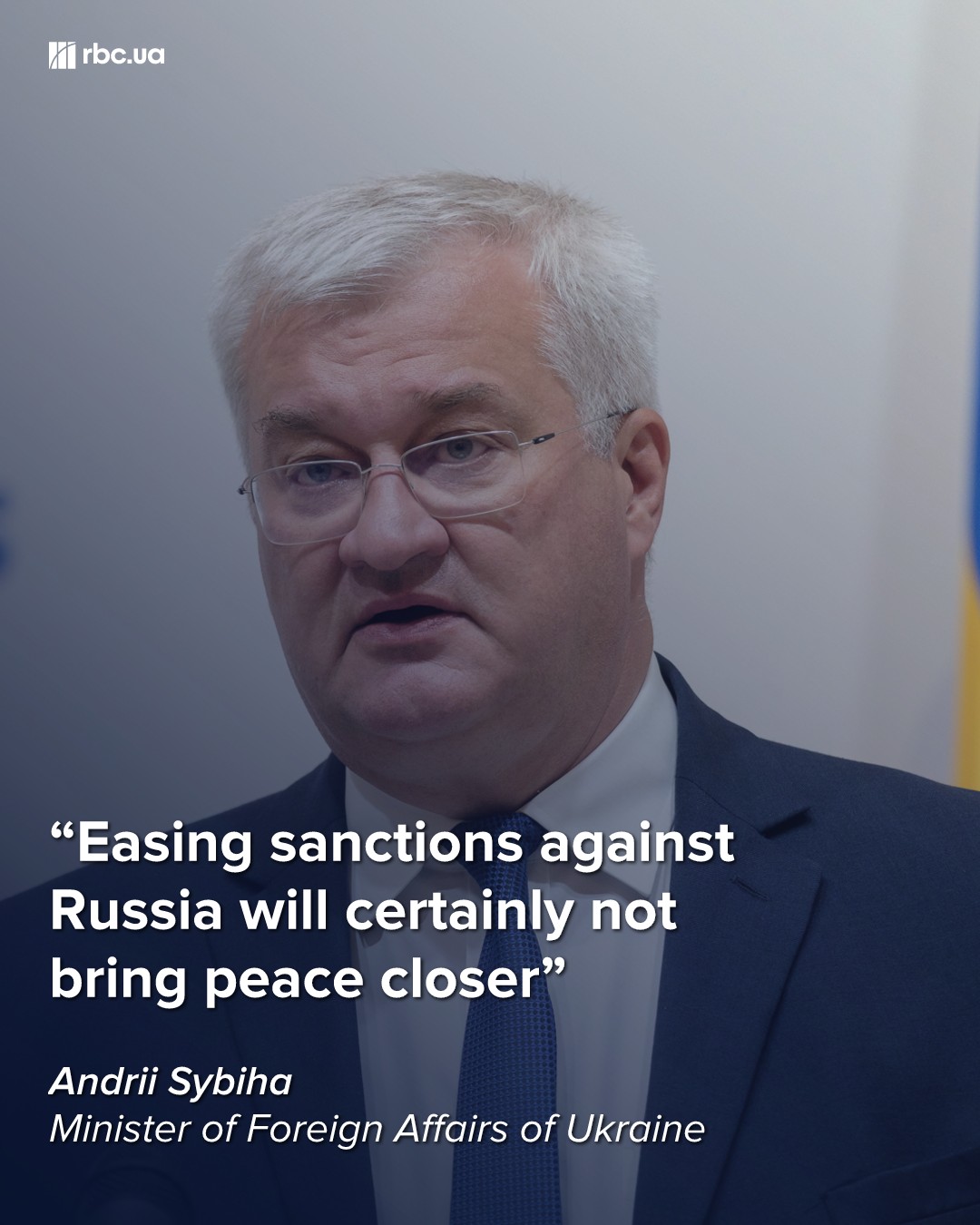
“Easing sanctions against Russia will certainly not bring peace closer or help lower prices. The only thing that could genuinely work is a comprehensive energy ceasefire,” Sybiha said.
According to the foreign minister, Russia is the party that does not want peace or a ceasefire, and he views any concessions to Putin as a sign of weakness. At the same time, Sybiha does not believe that the possibility of peace negotiations involving the United States has disappeared following Trump’s latest actions.
“We understand that the US is about to hold midterm elections to Congress, and domestic political factors may influence the public statements we hear,” Sybiha said when asked whether relations between Ukraine and the United States had entered a period similar to the one that followed last year’s White House dispute.
On how to put more pressure on Russia
“Russia must be cornered to achieve the outcome sought not only by Ukraine but by the entire world: an end to Russian aggression and the restoration of a just peace,” Sybiha told the media outlet.
The foreign minister listed several ways to increase pressure on Russia, including tougher sanctions, action involving frozen Russian assets, and further international isolation of the aggressor.
“How can they feel cornered if they meet with world leaders and are invited to sporting competitions and cultural events?” Sybiha asked indignantly.
According to him, sanctions against Russia must be strong enough to effectively “tear apart” the Russian economy.
Instead, there are now signs of the opposite trend. In addition to the Russian diesel deal, Europe recently removed two oligarchs from its sanctions lists, while discussions have emerged in the United States about reviving the Nord Stream pipeline.
“Our response will be very clear and firm: in response to this, we will impose additional sanctions on 10 Russian oligarchs at a time. Ukraine has already prepared such a list. I will raise this issue at the meeting of EU foreign ministers in Luxembourg this week. I will also once again call for the two individuals to be reinstated on the sanctions list,” Sybiha said.
On a meeting between Zelenskyy and Putin
Sybiha said Ukraine continues to support and actively promote the idea of a meeting between the leaders of Ukraine and Russia. According to the minister, Donald Trump or Turkish President Recep Tayyip Erdogan could also take part.
“We see that when negotiating teams meet at lower levels, they very often return to discussing the same issues several times. That is why I say that only the president can bring the most difficult issues to a conclusion,” the minister said.
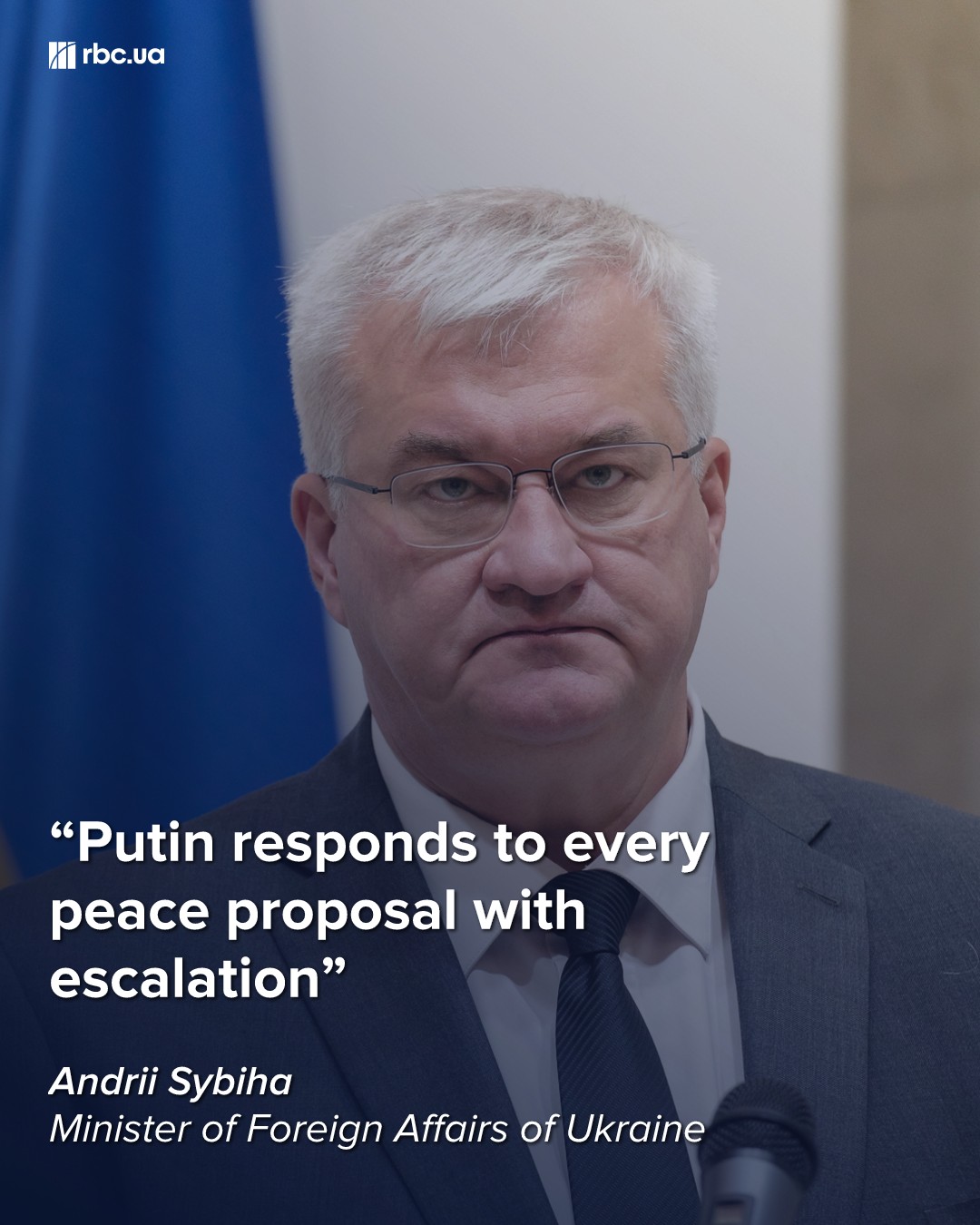
At the same time, Sybiha believes that a limited ceasefire, such as one covering energy infrastructure, could also be achieved at the level of negotiating teams.
On Ukraine’s EU integration
Ukraine has managed to resolve the “Hungary problem” on its path toward EU membership, unblocking the opening of additional negotiating clusters.
“The biggest obstacle was Hungary’s position. We have now reached an understanding with Hungary and are moving forward,” the minister said.
According to Sybiha, the goal is to open all six negotiating clusters by the end of this year.
At the same time, he stressed that Ukraine would not accept discriminatory approaches to its EU accession process.
“We are actively working with our partners to ensure that the document scheduled for publication on October 28 — the road maps — reflects the actual situation and provides a realistic assessment,” Sybiha said, commenting on proposals from Brussels that could impose restrictions on Ukraine’s agricultural sector.
On finding funding
In his conversation with RBC-Ukraine, the foreign minister identified several potential sources of funding that could help Ukraine cover its current budget shortfall:
- Frozen Russian assets.
- Bringing in countries outside the EU to contribute to the $90 billion Ukraine Support Loan.
- The $20 billion in funds that have not been fully used under the SAFE program.
- Bilateral assistance from individual countries.
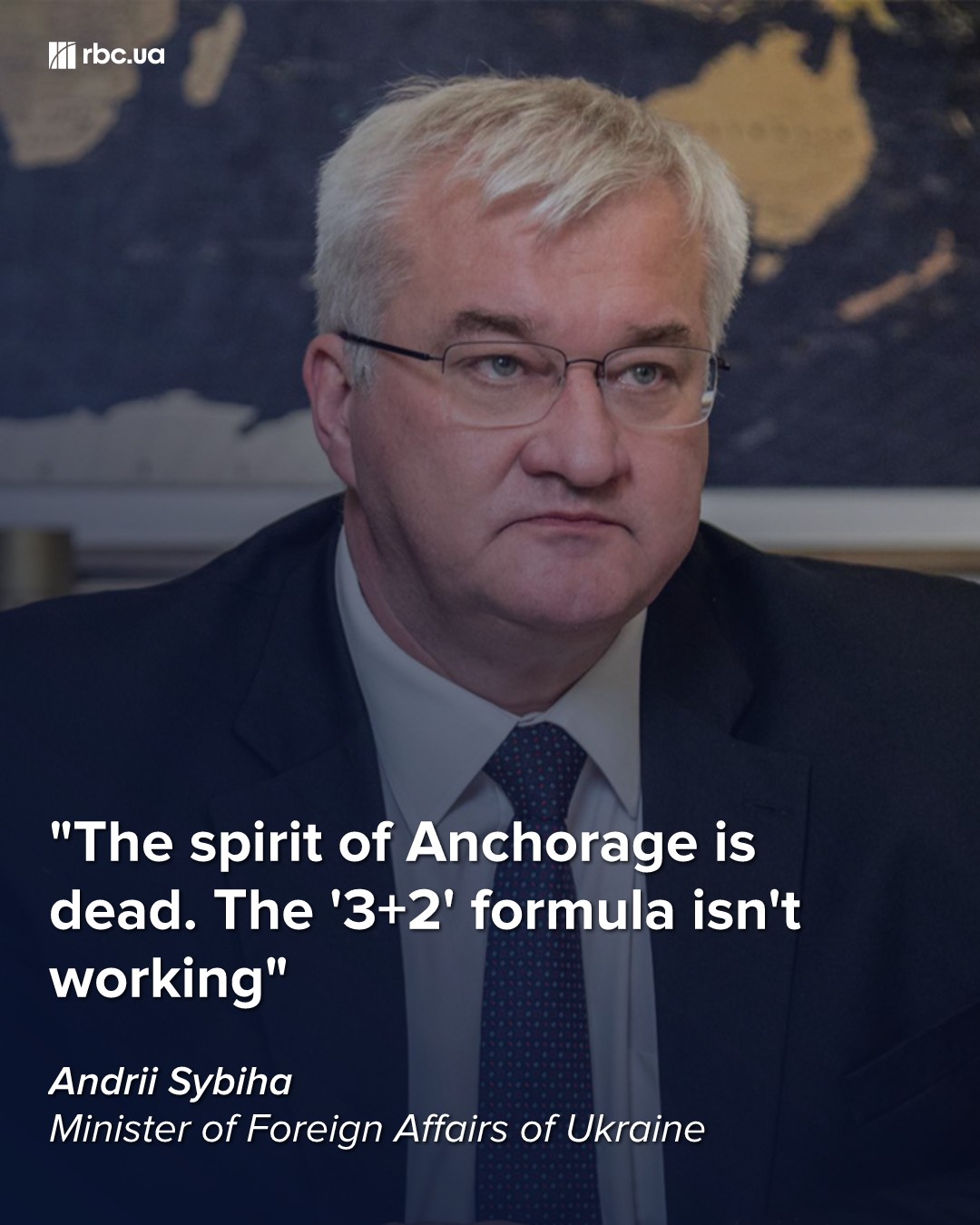
On the dispute with South Korea
Although Kyiv considers the dispute over the transfer of two North Korean prisoners of war resolved, Seoul continues to escalate the situation by recalling its ambassador. According to South Korea’s account, the transfer was supposed to remain confidential.
“Everything stemmed from different interpretations of the confidentiality requirements at various stages of the transfer of the prisoners of war. Ukraine fulfilled all its obligations,” Sybiha told RBC-Ukraine.
He expressed confidence that relations between the two countries would continue to develop normally and reiterated that he considers the matter closed.