Natalia Tugay, Protech Solutions: AI will save Ukrainian healthcare from staff shortages

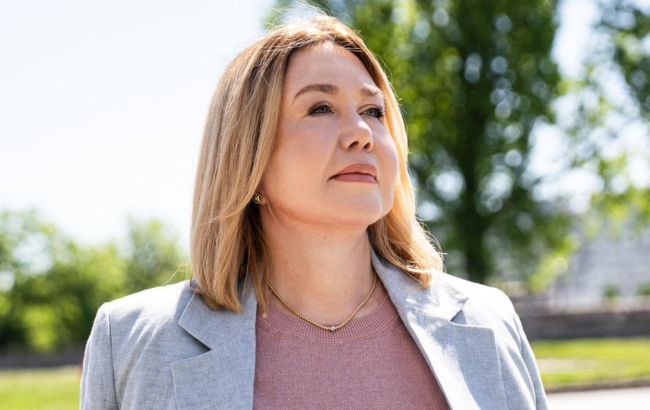 Natalia Tugay (Photo: Protech Solutions)
Modern medicine requires AI-driven solutions and the launch of cutting-edge cyclotrons, but bureaucracy often slows progress. In an interview with RBC-Ukraine, Natalia Tugay, founder of Protech Solutions, spoke about investing in medical education, the shortage of doctors, tenders, and emerging technologies.
Key points:
- AI will become a key tool to address the shortage of medical staff in Ukrainian hospitals caused by the mass emigration of doctors
- The war is driving a rise in cancer cases by up to 20%, requiring urgent modernization of diagnostic centers
- Protech Solutions has implemented a large-scale cyclotron supply project, saving the state over 370 million UAH
- The company has introduced installment programs for displaced doctors, helping them open clinics from scratch
- MRI equipment renovation extends its lifecycle by 10 years at significantly lower cost compared to purchasing new devices
Natalia Tugay is one of the notable players in Ukraine's medical equipment supply market. She is the founder and managing partner of Protech Solutions, a company operating in the high-tech medical equipment segment and cooperating with global manufacturers. The company participates in large public and international procurement projects, including World Bank tenders.
In recent years, Protech Solutions has significantly strengthened its market position, particularly during the full-scale war, when demand for service, modernization, and supply of medical equipment increased sharply. The company not only continued operations but expanded its activities, providing hospitals with critical equipment and maintenance even in frontline regions.
At the same time, Protech Solutions has frequently appeared in discussions around large-scale tenders-particularly nuclear medicine equipment procurement worth hundreds of millions of hryvnias, where it acted as a winner and reported significant budget savings.
Recently, the company has been at the center of public debate regarding transparency in medical procurement and the role of private suppliers in large international projects. That is why we spoke with Natalia Tugay about competition in the medical equipment market, participation in international tenders, media accusations, and how this business is changing during wartime.
— Natalia, your work today directly affects the quality of healthcare in Ukraine. How did your path lead you to create your own company, and why did you enter this field?
— It was not accidental. I come from a medical family. My entire life is connected with medicine. Since childhood, I have dreamed of science, graduated from a medical academy, and after university, worked in a medical laboratory. I have always had ambition and believed I could achieve strong results in anything I do.
— What is your personal background in medicine?
— I graduated from the Biology Faculty of Taras Shevchenko University during the collapse of the Soviet Union. Later, I specialized as a laboratory doctor. I worked in the field for nine years, most of the time as head of a large laboratory.
— What challenges did you face as a doctor at that time?
— It was a difficult period. I left medicine in 2000 with a salary of seven dollars. At the same time, I observed how medical equipment companies were developing. I was on the client side of the industry. I decided to combine my medical experience with my interest in technology. I briefly worked as a manager, realized I was successful, and started my own business.
— How did you start?
— It was a laboratory business-selling reagents and consumables. Later, my business was acquired by one of the largest Ukrainian companies at the time, "Ukrmed," owned by Mykola Kuzma. He invited me to develop the laboratory direction, and I joined his company.
— How long did you work with Mykola Kuzma?
— From 2000 to 2008. "Ukrmed" became a kind of talent incubator for medical business managers in Ukraine.
— What made "Ukrmed" special?
— It was a model private Ukrainian business with major contracts and partnerships with global brands. It was a central supplier for the country.
Kuzma has long left the medical business and has no current influence. However, his name is sometimes used in media attacks, which I consider manipulation.
— What was the hardest part of building Protech?
— The hardest decision was the scale of investment. When we entered the ultrasound market around 2014–2016, we introduced installment plans for doctors.
Many doctors displaced by war came with minimal savings and needed equipment. We agreed to support them. Some clinics started in very basic conditions —sometimes even behind curtains in shared spaces. Within six months, many grew into full medical centers.
We also negotiated large contracts with manufacturers, which required commitments of around 200 units and upfront payments.
— How profitable is this business?
— It is a niche industry. Our margins are lower because we invest heavily in education, training, service centers, and infrastructure. Many competitors do not do this, so their margins are different.
— Why invest so much in education?
— Because I am a doctor myself. I understand what doctors need. Proper diagnosis leads to better treatment. That is the core goal.
— How many doctors were trained last year?
— In 2025, Protech participated in around 90 training events with about 10,000 participants. This is not a profit-making direction—we fund speakers and training.
— What is the situation with medical staff in Ukraine?
— After the war began, many doctors left Ukraine. Even the equipment we supplied had no operators. We adapted by launching online training during COVID and later moved to hybrid formats.
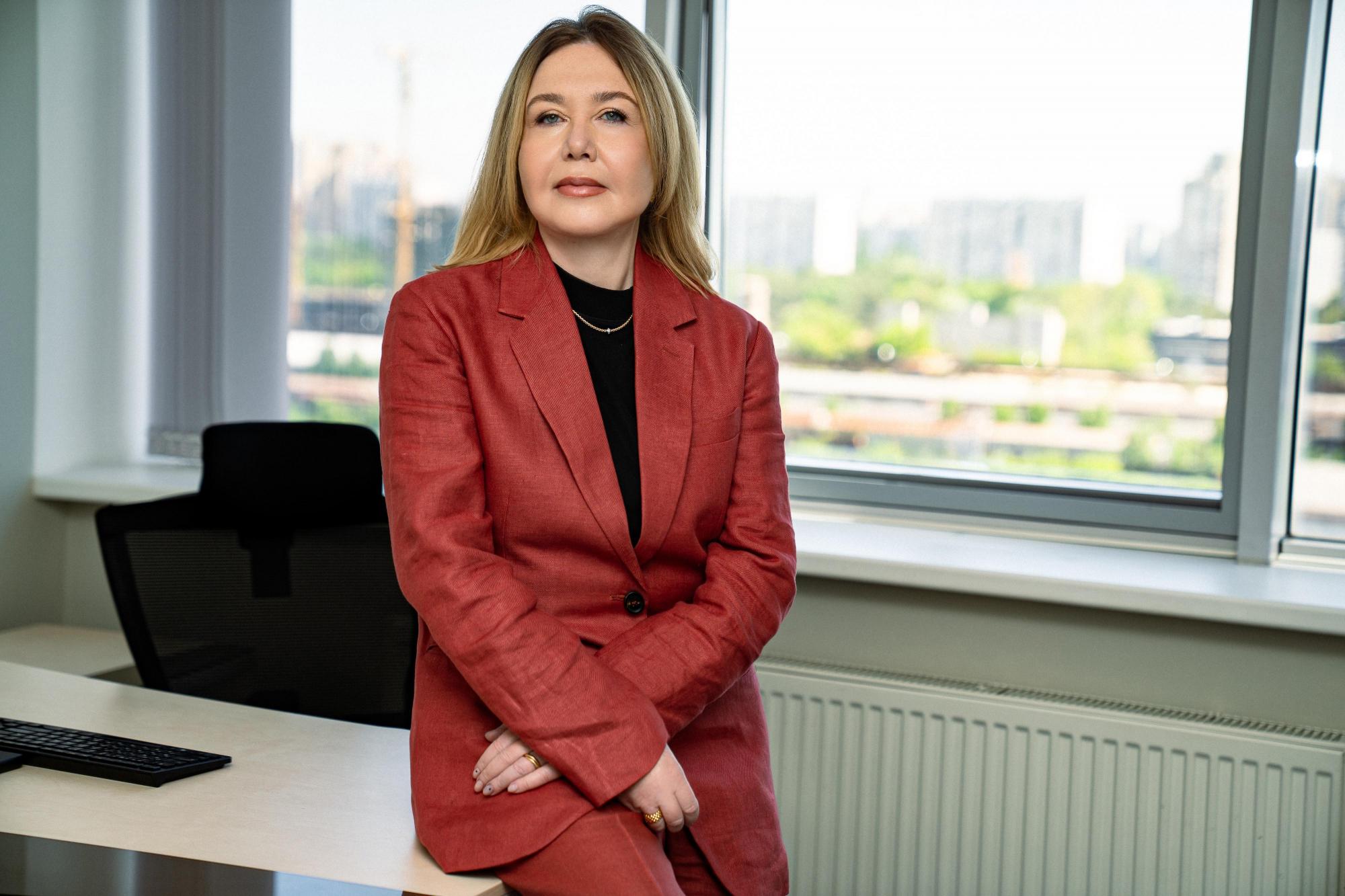 Natalia Tugay (Photo: Protech Solutions)
— How can you describe the level of medical equipment in Ukrainian hospitals? Has the war affected a lot?
— Ukraine is actively modernizing its medical equipment with support from international partners, the Ministry of Health, and the World Bank. In some cases, Ukraine is now better equipped than before the full-scale invasion.
— What steps have been taken to modernize equipment, and what is the result?
— For instance, for the first time in Ukraine, Kyiv purchased an upgrade for MRI machines installed in 2017. The equipment was modernized to 2025 standards, extending its lifecycle by another 10 years — until at least 2035.
— What key trends have you observed in the medical equipment market with the development of AI?
— AI is already widely used in diagnostic equipment. Modern medical systems cannot function without it. Private clinics actively configure equipment to meet doctors’ needs, whereas state procurement is more rigid due to budget constraints and legal risks. AI will inevitably become a standard tool in Ukrainian healthcare.
— Can AI replace the shortage of doctors?
— Due to the shortage of medical staff, AI-assisted diagnostics is becoming essential. In some countries, AI already supports ultrasound procedures, guiding technicians and generating preliminary reports.
— What does the procurement process in Ukraine look like? Are there tenders?
— Ukraine has a centralized procurement system through the state enterprise "Medical Procurement of Ukraine." Winning tenders is prestigious but often financially unprofitable for suppliers due to low prices and long payment cycles.
— Do you have such an example?
— There was a case of a cyclotron. One of the largest tenders in Ukraine's medical history involved cyclotrons worth over 1 billion UAH. The company saved the state about 371 million UAH, but the tender attracted media attention and legal challenges. Competitors sometimes lacked expertise or infrastructure, leading to disputes and complaints.
— Have you noticed oncology incidence correlation with the ongoing war? Will there be long-term consequences?
— Cancer incidence may increase by up to 20% in war-affected regions due to stress and environmental factors.
— Previously, there was controversial information circulating about your company and your name. How are you going to protect your reputation?
— The company has faced media attacks and accusations, which it considers coordinated campaigns. Protech Solutions plans to defend its reputation through legal proceedings and court rulings. The company also confirmed that no criminal cases are currently open against it or its management.