'Open war': Why fighting erupted between Pakistan and Afghanistan

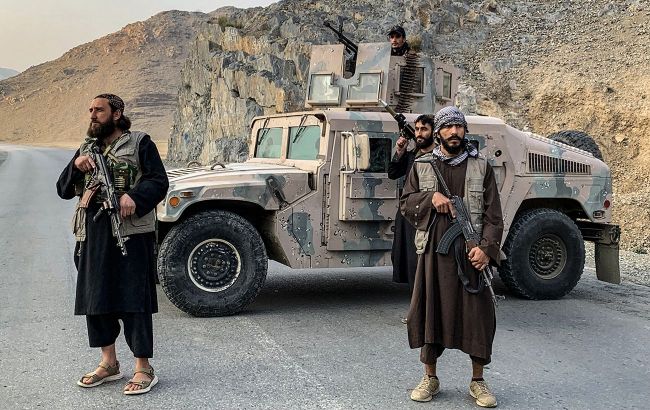 Photo: War between Pakistan and Afghanistan (Getty Images)
Pakistan carried out airstrikes on the Afghan capital and 21 other locations across the country. Following the strikes, the country’s defense minister declared "open war" on the Taliban government.
RBC-Ukraine has compiled everything known about the current escalation, from the reasons behind it to the actual balance of forces between the two armies.
Read also: Afghanistan launches strikes on Pakistan in response to air attacks
Key points:
- How it started: Pakistan carried out airstrikes on 22 sites in Afghanistan in response to overnight attacks by Afghan forces along the border.
- Reason for the conflict: The Durand Line, drawn by the British in 1893, is still not recognized by Afghanistan. Armed groups operating along this line have been attacking Pakistan from Afghan territory.
- Who is stronger: On paper, Pakistan has the advantage with 660,000 troops and nuclear weapons. However, the Taliban possesses drones, suicide attackers, and experience in asymmetric warfare.
- Possible outcome: The Taliban are simultaneously calling for dialogue and threatening retaliation. A previous 2024 truce did not result in a full agreement.
Kabul awoke to explosions: how it all started
On the night of Thursday, February 26, Afghan forces attacked Pakistani positions along the disputed border. Kabul called this retaliation for previous Pakistani strikes on Afghan territory that occurred a week earlier, which killed at least 18 people.
Pakistan responded at dawn. The operation has been named Ghazab Lil-Haq (Righteous Fury).
Later, Pakistani Army spokesperson Lieutenant General Ahmed Sharif Chaudhry reported that the armed forces destroyed 73 Taliban posts along the border, captured more than a dozen other positions, and eliminated 115 units of armored vehicles and artillery.
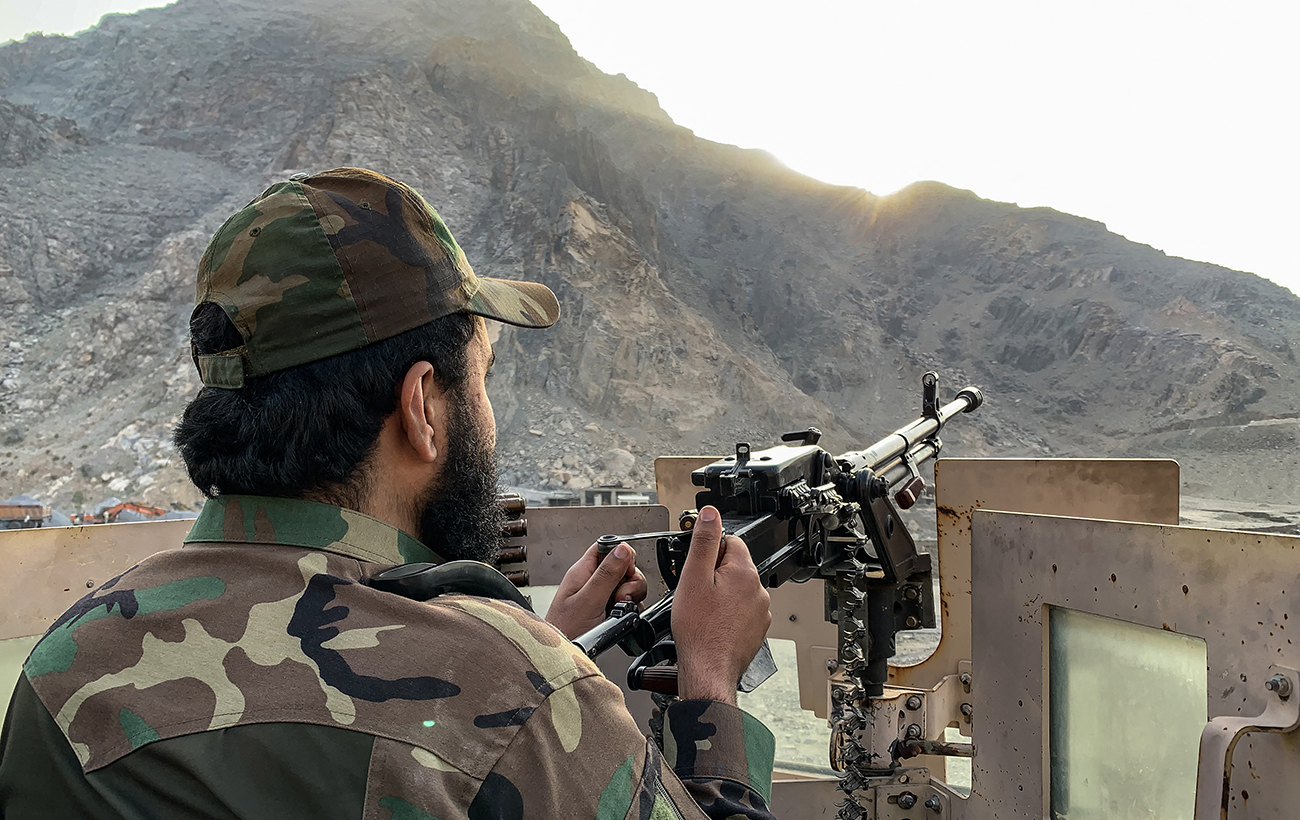
Photo: Pakistani military forces attacked Taliban positions (Getty Images)
How 20 years of mutual accusations ended in a new war
After the Taliban returned to power in 2021, the number of terrorist attacks in Pakistan sharply increased. According to Pakistani military data, more than 1,200 people were killed in 2025 alone—twice as many as in the year the US troops withdrew.
Islamabad blames the Pakistani militant group Tehrik-e-Taliban Pakistan (TTP) for the attacks and says the TTP operates from Afghan territory with Kabul’s silent support. The Afghan Taliban denies this. Taliban government spokesperson Zabihullah Mujahid said: "Pakistan’s internal conflict is entirely a matter for that country and is not a new issue."
Pakistan’s Defense Minister Khawaja Muhammad Asif wrote on X: "Our cup of patience has overflowed. Now it is open war between you and us."
However, the current strikes mark the first time Pakistan has directly attacked Taliban government targets, rather than just TTP positions.
What is the Durand Line, and why is there war
The Durand Line, 2,575 km long, was drawn in 1893. It split Pashtun tribal lands in two and still divides Afghanistan’s largest ethnic group between the two countries.
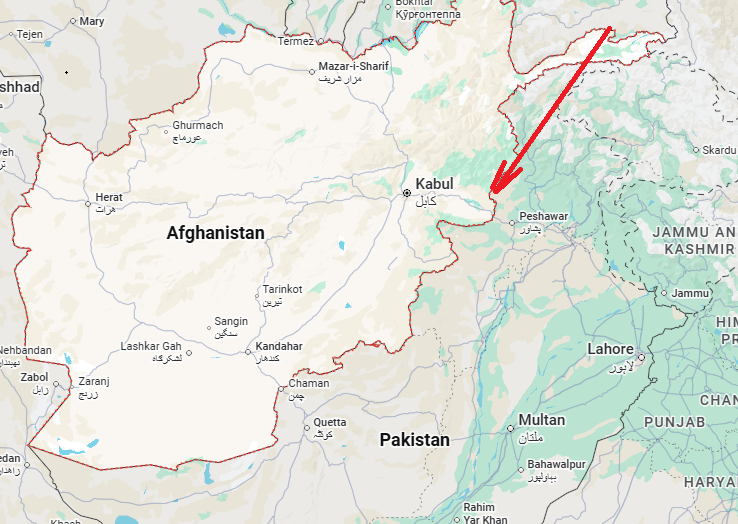
Photo: location of the border between Afghanistan and Pakistan (Google Maps)
Pakistan considers it an internationally recognized border, while Afghanistan has never acknowledged it as legitimate.
It is along this border that Tehrik-e-Taliban Pakistan launches attacks on the Pakistani army. Pakistan also conducts its operations along the same line. This border became the site of the sharpest clashes in recent years—first in autumn 2024, and now again.
A ceasefire reached in October 2024 through mediation by Qatar and Türkiye halted the bloodiest confrontations, but no full agreement was reached.
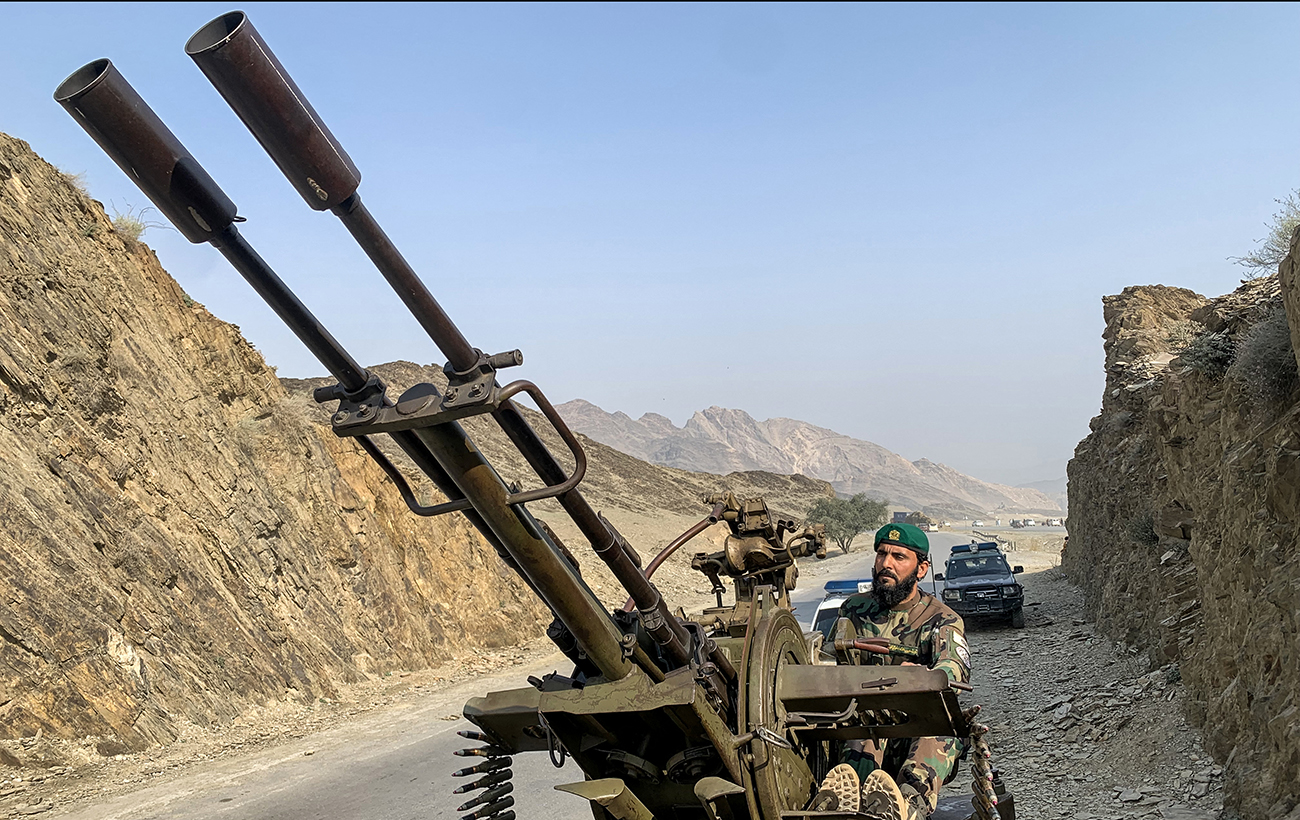
Photo: the ceasefire between the countries was short-lived (Getty Images)
Casualties on both sides
Both sides report different figures regarding casualties. Pakistan stated that 274 Taliban fighters were killed and over 400 were wounded, while 12 soldiers of its own army died and 27 were injured.
Afghanistan reported 55 Pakistani soldiers killed and 13 Afghan fighters killed. Separately, 13 civilians were wounded after a strike on a refugee camp in Nangarhār province. Pakistan denies that any of its soldiers were taken prisoner.
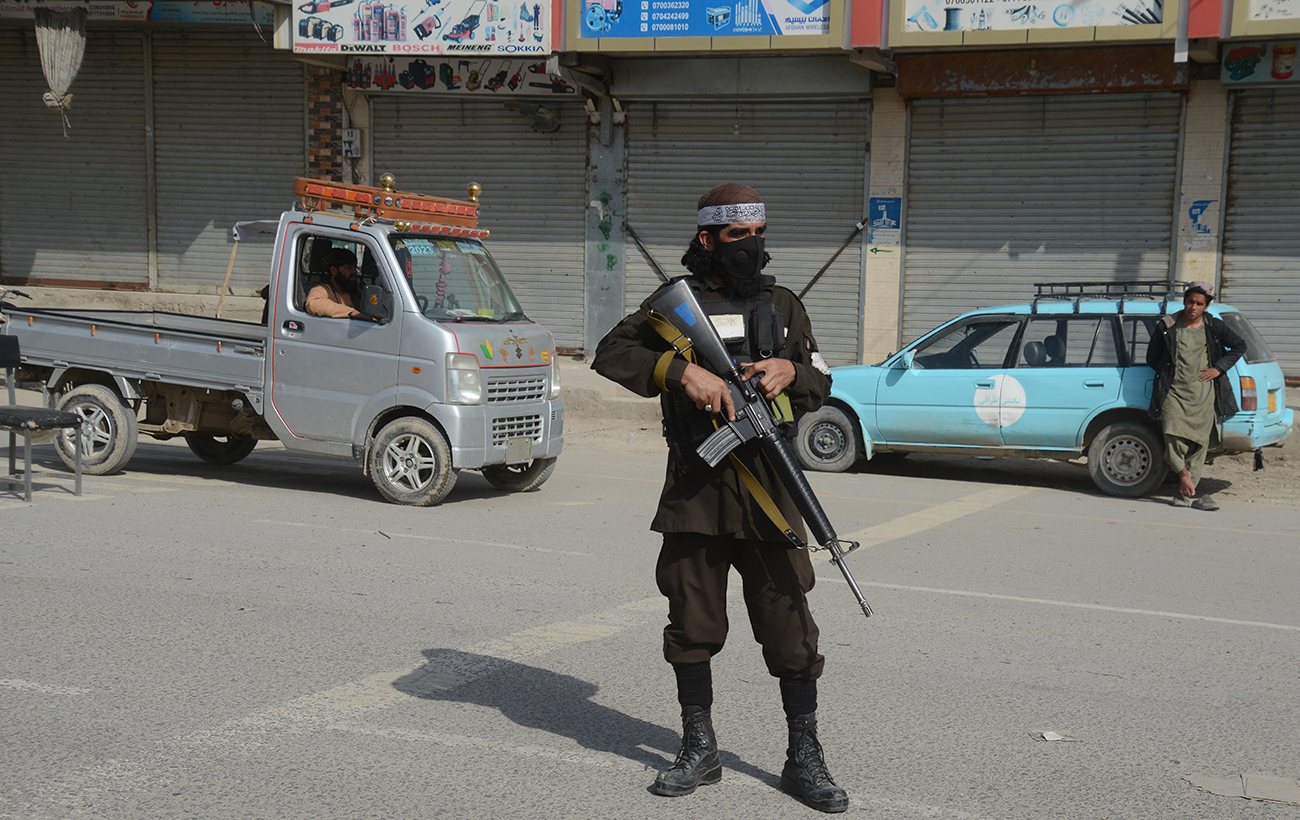
Photo: the new phase of the war has resulted in deaths and injuries (Getty Images)
Nuclear state versus insurgents: who is stronger in the war
Comparing the armies, Pakistan appears far more powerful. It has 660,000 troops, 465 combat aircraft, including American F-16s and French Mirages, and over 6,000 armored vehicles, along with 170 nuclear warheads.
The Afghan Taliban has around 172,000 fighters. They have six aircraft, though it is unclear how many are operational. Their armored vehicles are mostly Soviet-era or American trophies left behind after 2021.
However, analysts caution against drawing quick conclusions. Abdul Basit, a senior associate fellow from the S. Rajaratnam School of International Studies, told CNN that the Taliban have drones, which he called a "poor man’s air force," and also possesses suicide bombers.
"Any retaliation by the Afghans will be in Pakistan’s urban centers… This is a recipe for chaos, and chaos is what terrorist networks seek to flourish," he added.
The Taliban government says Afghanistan seeks dialogue, while simultaneously warning that "our hand can reach their necks."
Earlier, RBC-Ukraine reported that Afghan authorities refused to take responsibility for Pakistan. Peace negotiations ended without results.
Meanwhile, Donald Trump stated that the US is negotiating the possible return of troops to Afghanistan.