No peace, no victory: Why Iran and Trump still can't end the war

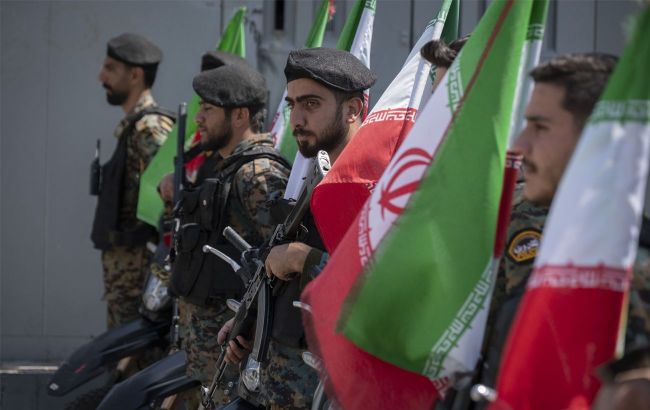 Photo: Is there a chance for lasting peace in the Middle East (Getty Images)
The United States says its military operation in Iran is over. President Donald Trump is promoting a peace deal while simultaneously threatening new strikes. Despite the announced ceasefire, both sides continue to occasionally attack one another.
Read RBC-Ukraine’s analysis on the interim results of the Iran war and the chances for a lasting peace in the region.
Key points:
- Tehran’s position: Although Iran says it is reviewing American proposals, power in the country currently remains in the hands of hardliners. Despite the death of the supreme leader and strikes on infrastructure, Iran’s leadership may still be tempted to reject peace in hopes of securing better terms later.
- Mutual exhaustion: All parties in the conflict have suffered major material losses. Iran and the Gulf states are facing severe economic strain, while the US defense industry has struggled to keep pace with the demands of the war. This situation is pushing the sides toward negotiations.
- Strategic shift: The US officially says the combat phase of Operation Epic Fury is over, speaking instead about negotiations and restoring shipping routes. However, mutual attacks continue, although at a significantly lower intensity.
“The operation is over,” US Secretary of State Marco Rubio declared this Tuesday. After more than two months of exchanges of strikes, a naval blockade, and the resulting fuel crisis, it now appears that there may be a chance to end the conflict.
However, the situation is complicated by chaotic statements and actions from one of the key participants in the conflict — US President Donald Trump — as well as the traditional gap between the reality he describes publicly and actual events on the ground. As experience shows, making peace is often much harder than starting a war.
“Ceasefire” without peace
After intense exchanges of strikes and major regional escalation in recent weeks, the conflict has clearly started to cool down. There are objective reasons for this.
Despite achieving certain military successes, the US clearly did not expect the war to drag on this long. Neither the American defense industry nor the political establishment appeared prepared.
Certain categories of US weapons, such as interceptor missiles, were depleted relatively quickly, while industry struggled to keep up with military needs. Iranian drones also became an unpleasant surprise, as countering them required cheap and mass-produced solutions.
At the same time, Donald Trump and his team apparently believed the Iranian regime would collapse after the first American strikes. When it became clear this would not happen, the White House spent the past two months searching sporadically for some form of solution.
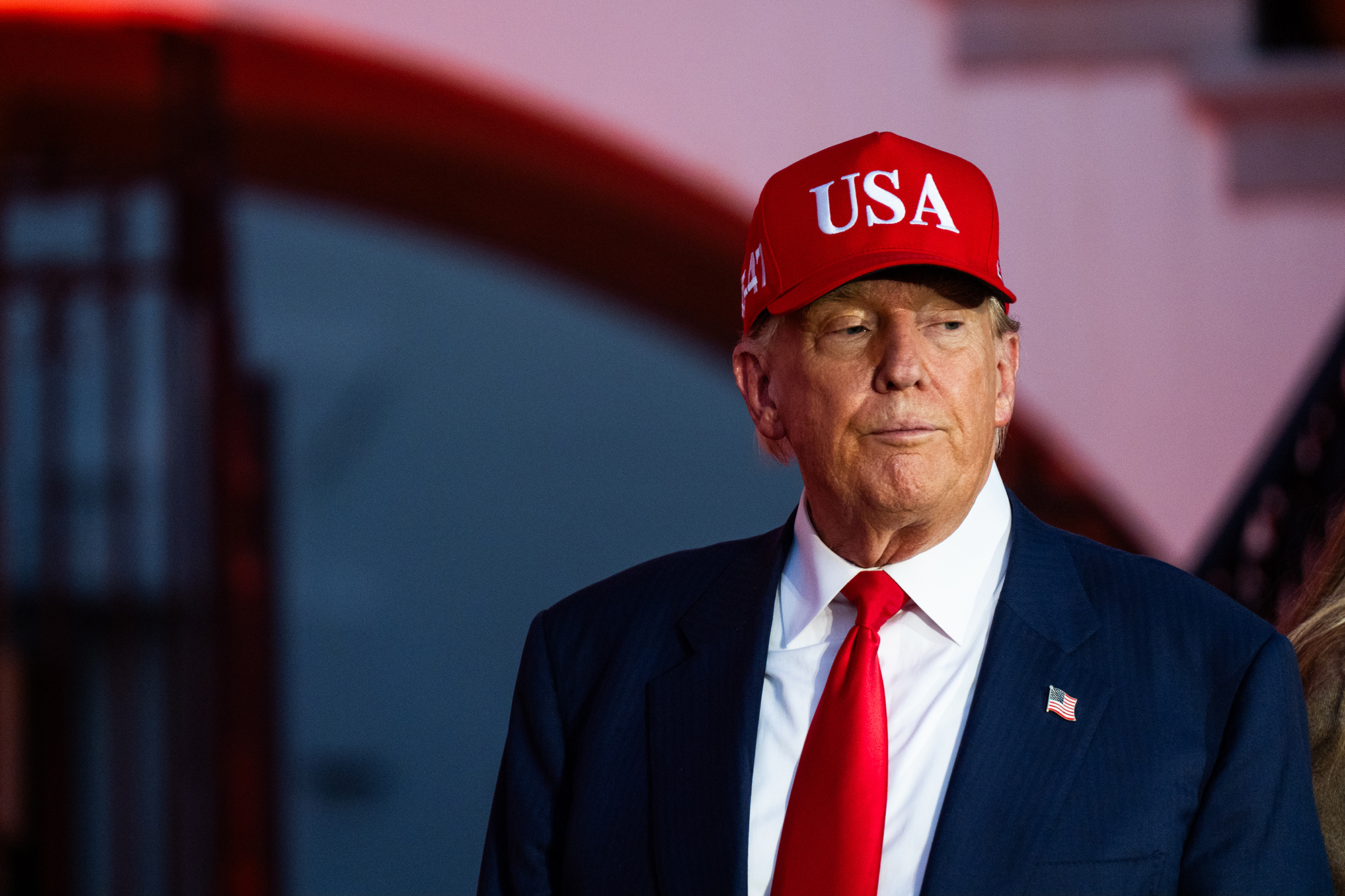
Photo: Donald Trump, President of the United States (Getty Images)
During this period, Washington floated various scenarios: a ground operation, a Kurdish-led ground campaign, a limited operation to seize Iran’s Khark Island, and a naval mission to reopen the Strait of Hormuz with an international coalition. Capitals from Japan to France reportedly rejected Trump’s proposals. There was also discussion of reopening the strait using only the US Navy. All of this unfolded alongside constant threats posted by Trump on social media.
On April 7, reports emerged that the US and Iran had reached a ceasefire agreement mediated by Pakistan. But even after the truce announcement, unidentified forces attacked an Iranian oil refinery on Lavan Island. Iran responded with strikes against Gulf states. At the same time, Israel continued operations against Lebanon’s Hezbollah, Tehran’s loyal regional ally.
Although the intensity of the fighting decreased, mutual strikes, ship seizures, and similar incidents continued across the region. Such a low-intensity conflict could have lasted for a long time, but on May 1, Donald Trump informed Congress that military operations launched against Iran on February 28 had ended.
Critics suspected Trump was trying to bypass the War Powers Act, which prevents a US president from conducting military operations for more than 60 days without congressional approval. Nevertheless, full-scale combat did not resume.
Instead, the US launched Operation Project Freedom, during which the US Navy attempted — with mixed success — to restore shipping through the Strait of Hormuz. But that effort also quickly stalled.
According to NBC News sources, the reason was characteristic of the current US administration: the White House allegedly failed to inform key regional ally Saudi Arabia about the operation in advance, and Saudi officials refused to provide airspace and military bases for the mission.
Meanwhile, negotiations between the US and Iran, both directly in Pakistan and through intermediaries, have so far failed to produce results.
What each side wants
The United States clearly did not lose the war, but it is also difficult to call the campaign a success. The ambitious goals announced by Washington during the early weeks were obviously not achieved. The US now appears interested in reaching a deal that stabilizes energy markets and prevents America from becoming trapped in a costly, prolonged war.
A more interesting question is what Iran wants in the current situation. Serhii Danylov says the situation for Tehran is deeply contradictory.
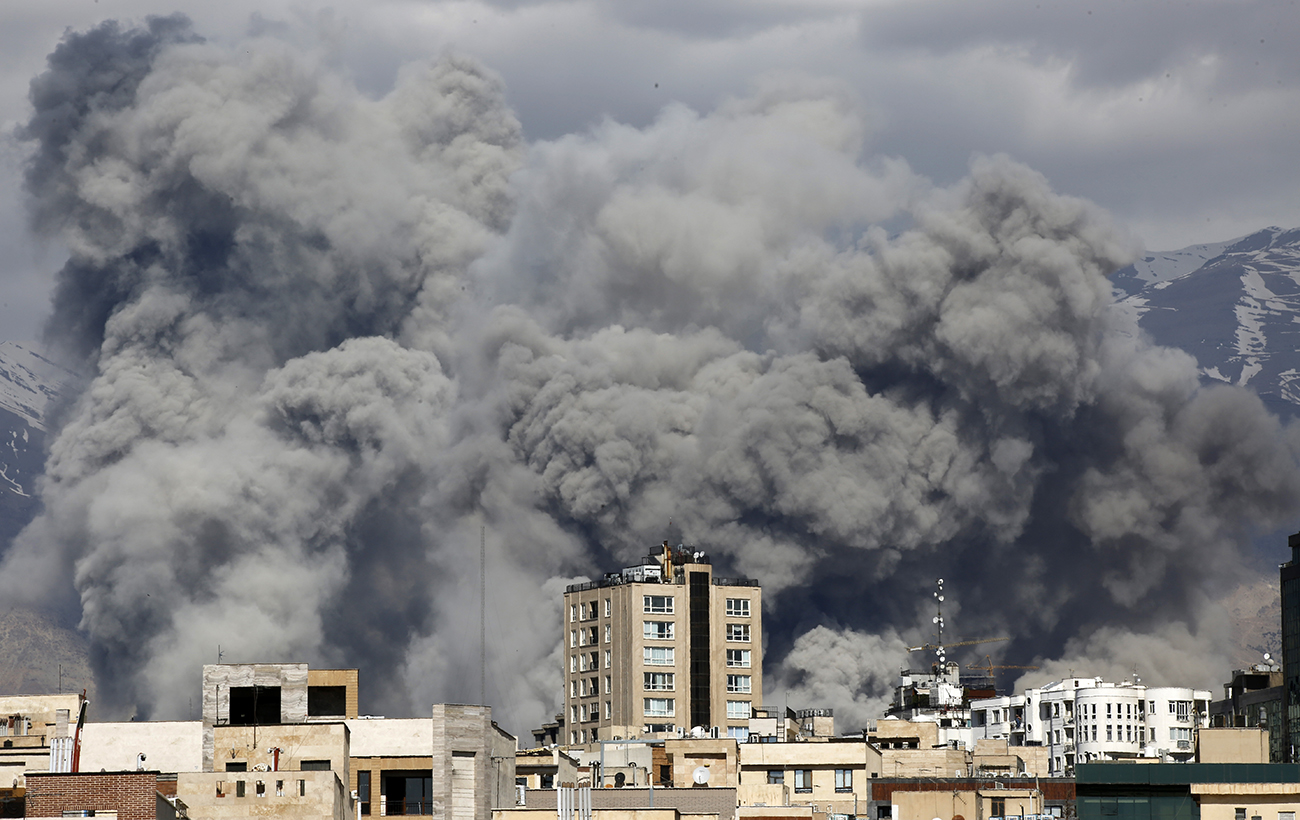
Photo: The US declared Operation Epic Fury over, but the war continues (Getty Images)
The blockade of ports, restrictions on oil exports, and destruction of infrastructure have dealt a heavy blow to Iran’s already struggling economy.
“The situation is critical. The country has been in systemic crisis for several years already. Now those problems are only worsening,” Danylov told RBC-Ukraine.
At the same time, the Iranian regime demonstrated remarkable resilience, surviving the deaths of the supreme leader and many security officials. Resources may be insufficient for normal life, but they are enough to preserve the regime. Tehran retains control and still has enough strength to suppress possible anti-government protests.
According to Danylov, this situation may actually make Iran’s current leadership less willing to compromise.
“They believe they are in a winning position and that making compromises now would mean losing potential future gains,” he said.
The expert noted that Iran’s current leaders, including Mojtaba Khamenei and his allies, are considered radicals even within the existing Iranian regime. They are highly resistant to outside influence, including from friendly states such as China, and are described as religious fanatics capable of pursuing even “self-destructive” struggles if necessary.
“If power belonged not to this junta but to the president, or if the previous rahbar were still alive, compromise would probably be possible,” Danylov said.
Finding a compromise remains difficult. Questions remain over the future control of the Strait of Hormuz, the possible lifting of sanctions on Iran, and the status of Iran’s missile and nuclear programs.
On May 6, Bloomberg reported that Iran is reviewing the latest American proposal, although it is too early to draw conclusions. Just on Tuesday, Iranian President Masoud Pezeshkian called the US position unrealistic and stated that Tehran “will not submit to unilateral demands.”
The transfer of enriched uranium to the United States — something Trump has repeatedly demanded — appears fundamentally unacceptable to Tehran. Yet eliminating Iran’s nuclear ambitions has always been Washington’s primary goal throughout the campaign.
Is the world ready for a prolonged war?
If no agreement is reached, hostilities will resume and could even gain new momentum. In that case, the main targets for Iran would once again be the Gulf states.
The war has depleted the financial and military reserves of the Arab monarchies, whose economies rely heavily on energy exports. Serhii Danylov notes that Bahrain and the United Arab Emirates are already seeking financial loans from the United States to help cover current expenses.
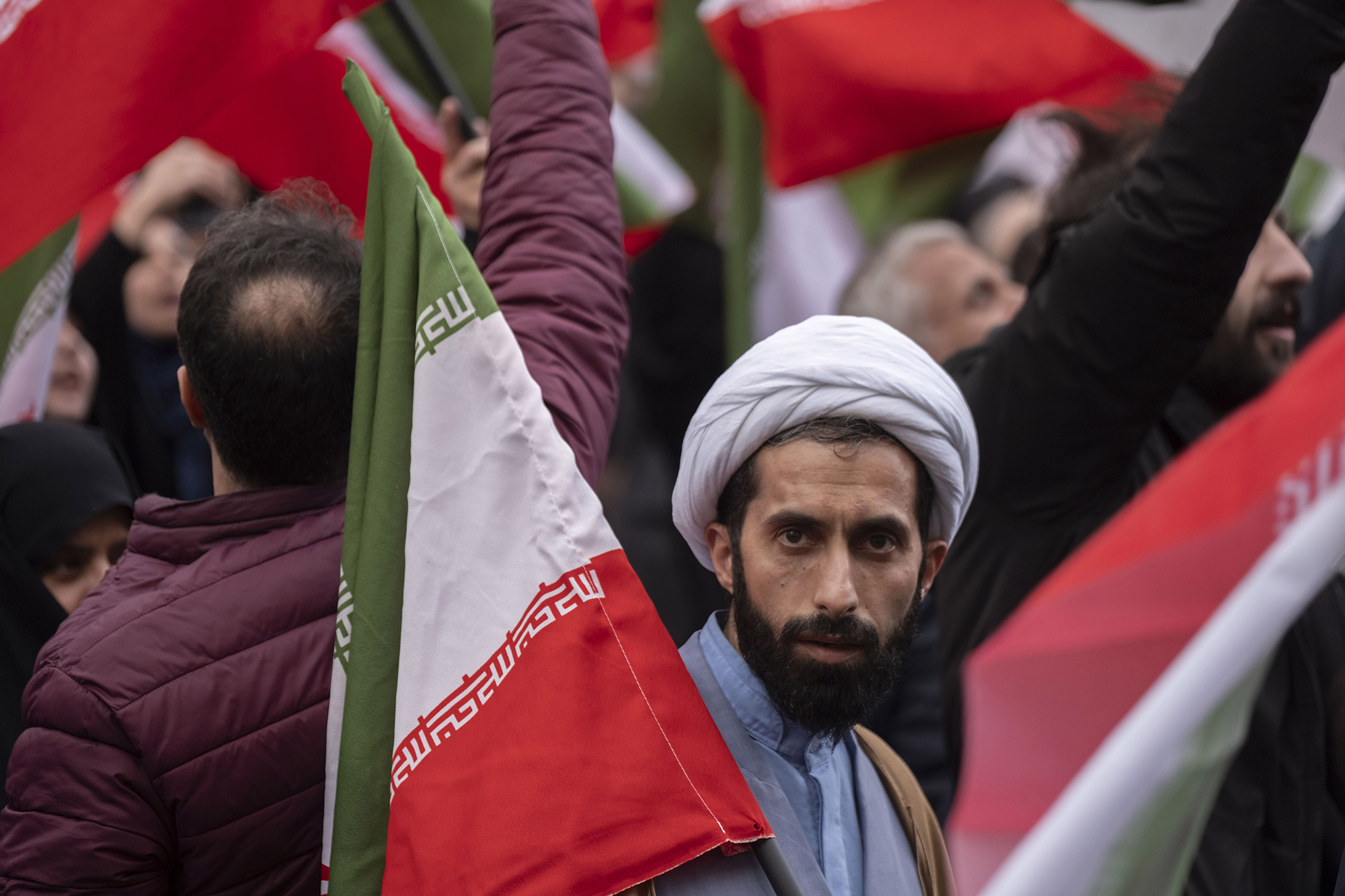
Can the world handle a prolonged conflict in the Middle East? (Photo: Getty Images)
The depletion of their arsenals became so severe that on May 2, the White House was forced to approve an emergency $8.6 billion arms sale to Middle Eastern countries.
If the war continues, the problems facing these countries will only worsen. This will inevitably affect their politics, pushing them toward greater self-interest in policymaking.
“The Emirates have already announced plans to leave OPEC, but it goes beyond that. They are also talking about potentially leaving the Arab League and reconsidering their place in the Gulf Cooperation Council. The war has clearly demonstrated the lack of solidarity among Arab countries,” Serhii Danylov told RBC-Ukraine.
Perhaps the only country publicly supporting the continuation of the war is Israel. Although the government of Benjamin Netanyahu is not openly opposing Trump’s line, it insists on pursuing a “maximum pressure” strategy toward Iran.
“If Iran does not accept all US demands coordinated with Israel, then of course, measures must be taken — strike Iran and continue both economic and military pressure. I believe we must continue with full force either until all conditions are fully met or until the regime is overthrown,” Bloomberg quoted Israeli Energy Minister Eli Cohen as saying shortly after the first reports of a possible agreement emerged.
Ukraine, despite suffering from the energy crisis, has managed to turn the Iranian conflict to its advantage. Kyiv offered Arab countries its military technologies and expertise, which became highly valuable in countering Iranian strikes. This opened both economic opportunities and increased Ukraine’s international influence.
“Without a doubt, perceptions of Ukraine in the Gulf countries have changed dramatically. We are now viewed as a security provider and as a sovereign country capable of making its own decisions. There is a chance to establish ourselves in certain sectors,” Serhii Danylov said. At the same time, the expert warned that Ukraine must back up these prospects with substantial work if it hopes to fully realize them.
***
In reality, absolutely everyone is interested in ending the war in the Middle East. The disruption of maritime trade has severely impacted energy markets, and many countries have been forced to use their strategic reserves to stabilize the situation. The International Monetary Fund has warned of very serious consequences for the global economy if the war drags on further. Ukraine feels these problems especially acutely because, in addition to rising fuel prices, the crisis is also boosting Russia’s economy through increased oil revenues.
However, it remains unclear whether the radicals currently leading Iran and the impulsive Donald Trump will be able to reach an understanding. The American president continues to express optimism, once again saying the war will “end quickly.” He has again given Iran one week to accept his terms. But Trump’s attitude toward his own deadlines is well known, especially in Ukraine.
Meanwhile, the “no war, no peace” situation in the region continues. Iran recently launched another round of strikes against the UAE, while last night American forces shelled the Iranian port of Qeshm and the city of Bandar Abbas. In response, Iran attacked US military ships in the Strait of Hormuz. Yet at the same time, as Trump wrote on Truth Social, “the ceasefire remains in place.”
Quick O&A
Why does the US want to end the war?
The United States has faced shortages of certain types of weapons, particularly interceptor missiles, while its defense industry was not prepared for a prolonged conflict. In addition, the White House is trying to stabilize global energy markets and avoid a costly ground operation that it did not anticipate at the beginning of the campaign.
What is the main obstacle to a peace agreement from Iran’s side?
Iran’s current leadership, headed by Mojtaba Khamenei, holds a radical position and considers compromise disadvantageous. For Tehran, Trump’s key demand — the complete dismantling of Iran’s nuclear ambitions and the transfer of enriched uranium under US control — is fundamentally unacceptable.
How is the prolonged war affecting US allies in the Gulf region?
Arab monarchies, including the UAE and Bahrain, have exhausted much of their financial and military resources, forcing them to seek loans from the United States and arrange emergency arms purchases. This has led to a crisis of solidarity, with the Emirates already signaling plans to leave OPEC and reconsider participation in regional organizations.