Your plants send signals: How to find hidden garden pests and diseases this fall

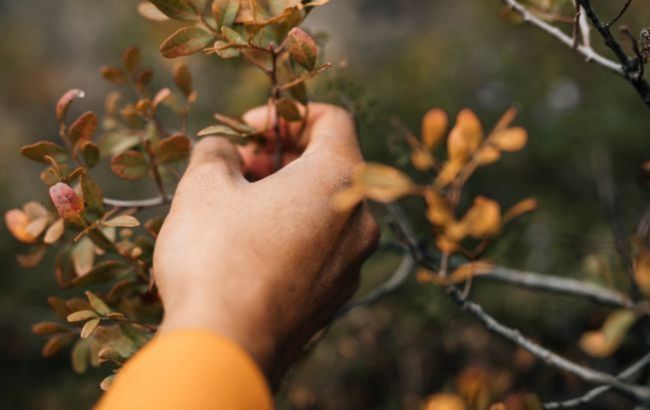 Explore how to check garden trees for pests and diseases in the fall (photo: Magnific)
The garden gradually prepares for winter after harvesting, but the work doesn't end there. This is the right time to carefully inspect fruit trees: some pests and disease-causing pathogens can remain on plants or nearby and survive the cold season.
Styler explains how to conduct a fall garden inspection and which signs you shouldn't ignore.
Start with general inspection
Don't rush to grab the pruning shears or treatment products. First, simply walk around each tree and look for any unusual changes.
Pay attention to leaves, young shoots, branch junctions, and the overall appearance of the canopy. If some leaves look noticeably different from the rest—curling, developing spots, turning yellow prematurely, or showing signs of damage—take a closer look.
It's equally important to check the undersides of the leaves. Tiny insects or mites can easily go unnoticed during a routine inspection, so use a magnifying glass if possible.
This systematic approach to garden care is also recommended by integrated pest management specialists. Steve Renquist, a former horticulture specialist with Oregon State University Extension Service, worked with fruit crops and pest and disease problems for many years. He emphasizes a comprehensive approach to garden protection, in which the problem is first identified and assessed before deciding how to treat it.
That's why, in the fall, it's better not to treat trees "just in case" but to first understand exactly what is happening to the plant.
Check the bark and trunk
After inspecting the canopy, move on to the trunk and larger branches. Look for cracks, dark or sunken areas, unusual growths, holes, and places where the bark is peeling away.
Pay particular attention to branch junctions and the lower part of the trunk. Some pests use bark and other sheltered areas on trees to overwinter, so even a small suspicious spot deserves attention.
But not every crack means disease. Mechanical damage, sunscald, frost cracks, or insect activity can look different. That's why it's important to assess multiple symptoms and consider the tree's overall condition.
Look at what's left under the tree
Now inspect the ground around the trunk. Fallen leaves, fruit that has rotted or dried on the branches, and plant debris can also provide important clues.
If apples or pears are covered with dark spots, have wormholes, or have turned into dry, shriveled "mummies," it's best not to leave them under the tree over the winter. The same goes for clearly infected leaves.
Experts at Oregon State University emphasize that pest and disease management in fruit orchards should be comprehensive: alongside treatments, sanitation, proper care, and regular monitoring are important. Some pests can also be difficult to spot during a routine inspection, so special traps may be used to monitor them.
Don't miss unusual changes next season
Another useful habit is to remember suspicious areas or take photos of them. If the same spots or fruit damage appear on a tree every year, or a particular branch keeps dying back, photos can help you compare the situation the following spring.
And don't wait until the tree is literally sick before your eyes. The first signs of a problem are often subtle, but regular inspections can help you identify where to look for the cause.
The key thing in the fall is not to try to treat everything with a single product, but to start with a careful diagnosis. If you spot a problem, determine its cause, remove obvious sources of infection, and only then decide whether additional treatment is needed.