Your face may age faster: 4 skin signs of protein deficiency

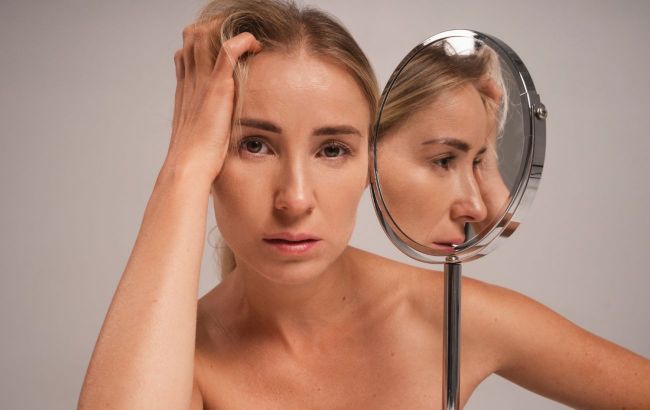 Signs of protein deficiency on the skin identified (photo: magnific)
The body can signal a protein deficiency through the condition of the skin. The skin may look dull, become more prone to irritation, and heal more slowly, according to Verywell Health.
Hair loss
One of the most noticeable signs of low protein levels can be changes in the hair.
Dietitian Kristen Kuminski explained that hair follicles are very sensitive to protein availability because they are not considered a vital tissue, so the body deprioritizes them when intake drops.
This may result in increased hair shedding, increased brittleness, or a duller texture.
Part of the reason is keratin — the main structural protein that makes up hair. When protein intake is low, the body has fewer building blocks to maintain strong, healthy strands, so hair can become weaker and more prone to falling out.
Dry skin
Protein also supports collagen — a key structural protein that helps the skin stay firm and elastic. If protein intake is consistently too low, collagen production may slow down.
This manifests as fine wrinkles, reduced firmness, and an overall tired appearance.
A lack of protein can make the skin more sensitive to sun exposure, drier, and increase the visibility of fine lines.
Visible premature aging of the face
Protein is important for maintaining muscle mass. If you do not get enough of this nutrient, the body begins breaking down muscle tissue to provide energy. This breakdown can affect facial structure.
Loss of muscle due to insufficient protein intake affects the face in the same way it affects the rest of the body.
A hollow appearance around the temples and cheeks is often not so much related to aging as it is to the loss of muscle and collagen.
Swelling
In some cases, low protein levels can cause swelling. This is related to a protein called albumin, which helps keep fluid where it belongs — inside blood vessels.
When albumin levels drop, this balance is disrupted. Fluid may leak into surrounding tissues and accumulate there, which can appear as swelling.
However, facial swelling is common and can have many causes, including poor sleep, allergies, hormonal changes, autoimmune issues, or certain medications.
Other common causes
Many common health and lifestyle factors can affect your skin, hair, and face in similar ways.
Rapid weight loss, thyroid dysfunction, iron deficiency, and chronic stress can all lead to similar visible changes.
Other possible causes include:
- dehydration;
- poor sleep;
- aging;
- overuse of harsh skincare products;
- iron deficiency;
- thyroid disease;
- stress;
- low calorie intake.
This material is for informational purposes only and should not be used for medical diagnosis or self-treatment. Our goal is to provide readers with accurate information about symptoms, causes, and methods of detecting diseases. RBС-Ukraine is not responsible for any diagnoses that readers may make based on materials from the resource. We do not recommend self-treatment and advise consulting a doctor in case of any health concerns.