4 skin signs you're not drinking enough water - Tips to restore hydration

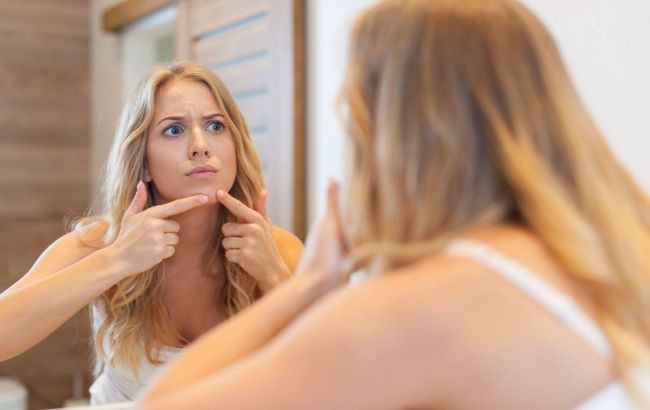 Signs on skin indicating you’re not drinking enough water (photo: Freepik)
Even when using expensive creams, your skin can look tired and dry, but sometimes the problem isn’t with your cosmetics. Some subtle changes in your skin may indicate that you’re not drinking enough water, according to Eating Well.
Why water is important for healthy skin
Two-thirds of the body is made up of water, and a portion of it is contained within skin cells. When your body doesn’t get enough water, the outer layer of your skin loses moisture. Over time, chronic dehydration can contribute to premature aging and impaired skin function.
According to Cureus, the skin acts as a protective barrier, helps regulate body temperature, and plays a crucial role in maintaining fluid balance. Without adequate hydration, these vital functions are disrupted, potentially leading to a range of problems.
Maintaining proper hydration supports not only the appearance of your skin but also its essential role in overall health.
Signs you’re not drinking enough water
Skin may look dull
Common signs include dullness, uneven tone, fine lines, flaking, dry patches, and reduced elasticity. The key difference is that when these signs are caused by dehydration, they can appear overnight.
Well-hydrated skin cells are plumper, resulting in noticeable improvements in texture and appearance. Even one or two days of better hydration can improve the look of dull or tired skin.
Topical moisturizers and creams effectively hydrate the skin and prevent water loss. However, drinking enough water helps your skin function properly and supports the delivery of nutrients to skin cells.
Weakened skin barrier
According to StatPearls, the skin is the body’s first line of defense against harmful pathogens, UV radiation, and pollutants. Insufficient hydration can weaken the skin barrier, making it more vulnerable to irritation, infections, and premature aging.
Proper skincare, a nutritious diet, regular exercise, and adequate sleep help maintain skin barrier function.
Slower healing
Cuts and scrapes may take longer to heal because optimal fluid intake is essential for tissue regeneration.
Poor thermoregulation
When hydrated, you can sweat and direct blood flow to the skin surface to release heat. In contrast, dehydration reduces sweat production and skin blood flow, increasing susceptibility to overheating.
How to keep your skin hydrated from within
It is recommended to prioritize unsweetened beverages throughout the day, such as plain water, herbal tea, milk, and sparkling water.
Distribute your fluid intake evenly throughout the day rather than drinking it all at once. This allows your body to absorb water more consistently and efficiently.
If you sweat heavily due to hot weather or intense physical activity, consider adding electrolytes to your water for better hydration.
This material is for informational purposes only and should not be used for medical diagnosis or self-treatment. Our goal is to provide readers with accurate information about symptoms, causes, and methods of detecting diseases. RBС-Ukraine is not responsible for any diagnoses that readers may make based on materials from the resource. We do not recommend self-treatment and advise consulting a doctor in case of any health concerns.