World's most dangerous carbohydrate named and it's found in children's food

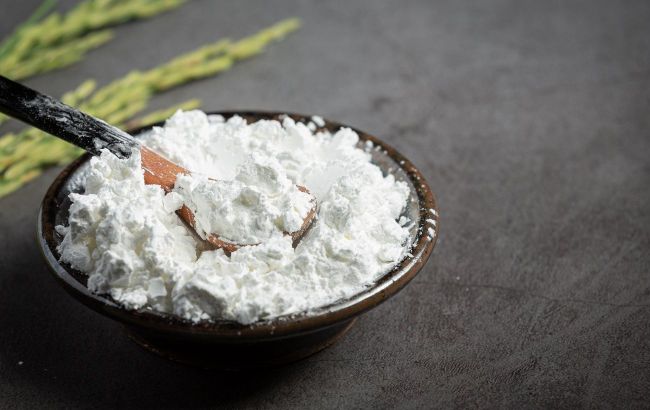 Photo: Which carbohydrate is considered especially dangerous (Freepik)
Renowned American doctor and healthy lifestyle advocate Eric Berg said that one of the most common food ingredients can pose a serious risk to health.
Which carbohydrate is considered dangerous
The warning concerns industrial starch, which appears on ingredient lists as modified food starch, modified corn starch, or maltodextrin.
According to Dr. Berg, maltodextrin raises blood sugar levels even more sharply than regular sugar, despite not being officially classified as sugar. He believes this can contribute to insulin resistance, type 2 diabetes, fatty liver disease, and the accumulation of visceral fat — the fat that surrounds internal organs.
In addition, the doctor claims this ingredient negatively affects the gut microbiome: "harmful" bacteria actively feed on it, while beneficial bacteria suffer. This imbalance may trigger inflammatory processes, particularly in the digestive system.
Where it is most commonly found
Maltodextrin is widely used in industrial food production. It is added to gluten-free products, baked goods, sports nutrition, and infant formulas. Its main purpose is to improve texture, taste, and shelf life, as well as to replace sugar.
What research says
As WebMD explains, maltodextrin is a highly processed carbohydrate that breaks down and is absorbed very quickly in the intestines.
Scientific reviews indicate that replacing natural starch with maltodextrin can increase glycemic load and post-meal blood sugar levels, which is considered less beneficial for health, especially for people with impaired glucose metabolism.
What consumers should pay attention to
Experts advise carefully reading ingredient labels and not relying solely on "sugar-free" or "gluten-free" claims. Even such products may contain ingredients that can cause sharp spikes in blood sugar and affect metabolism.
This material is for informational purposes only and should not be used for medical diagnosis or self-treatment. Our goal is to provide readers with accurate information about symptoms, causes, and methods of detecting diseases. RBС-Ukraine is not responsible for any diagnoses that readers may make based on materials from the resource. We do not recommend self-treatment and advise consulting a doctor in case of any health concerns.