Why your feet swell in hot weather — and how to ease it quickly

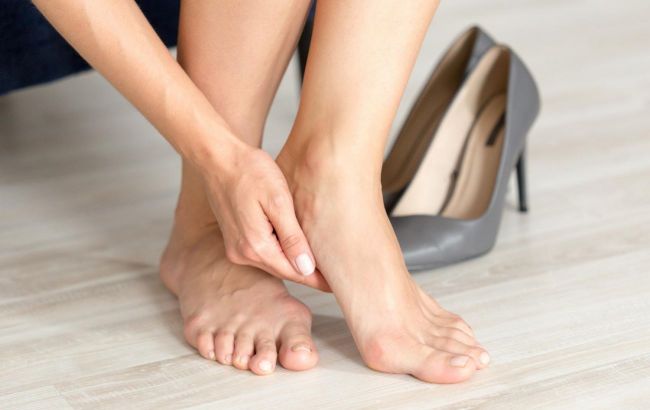 Why your feet swell in the heat (Illustrative photo: magnific)
Many people experience swollen feet during hot weather, even if they have never had this problem before. In most cases, it happens because blood vessels widen and fluid builds up in the body's tissues. Ukrainian pediatrician Daria Vlasenko explains who is most likely to experience it and what you can do about it.
Why it happens
In hot weather, many people notice swelling, most commonly symmetrical swelling in the legs, hands, or face. This is usually caused by normal physiological processes.
When it's hot outside, the body tries to cool itself down. To do that, blood vessels near the skin expand, allowing more heat to escape through the body's surface. As the blood vessels widen, fluid is more likely to leak from the bloodstream into the surrounding tissues.
Gravity also causes this fluid to collect in the lower limbs. That's why swelling is most common in the feet, ankles, and lower legs. It is often more noticeable after standing or sitting for long periods, traveling, or at the end of a hot day.
Main causes
Changes in kidney function and electrolyte balance. During prolonged exposure to heat, sodium reabsorption may increase under the influence of the hormone aldosterone, causing the body to retain more water.
Dehydration caused by sweating also activates antidiuretic hormone, which helps the body conserve fluids. These processes can increase the amount of water that moves into the tissues.
In other words, the swelling is not caused by the body storing "extra water," but by a shift in how fluid is distributed during the body's cooling process.
Heat edema. Heat edema is a buildup of fluid in the tissues caused by high environmental temperatures. It most commonly affects the feet, ankles, and lower legs, although the hands and fingers may also swell.
It is one of the mildest ways the body reacts to heat and is usually harmless in otherwise healthy people.
Who is more likely to experience swelling in hot weather?
People at higher risk include:
- Pregnant women
- Older adults
- People who are overweight
- Those who spend long periods standing or sitting
- People with varicose veins or chronic venous insufficiency
One of the most common mistakes is drinking less water. Restricting fluids will not reduce swelling, while the risk of dehydration increases significantly in hot weather.
What actually helps
According to the doctor, the best ways to reduce summer swelling include:
- Staying physically active
- Avoiding prolonged sitting or standing in the same position
- Raising your legs above heart level for 20-30 minutes several times a day
- Avoiding overheating
- Wearing compression stockings if recommended by your doctor
- Staying well hydrated
Every 30 to 60 minutes, you should get up, walk around, or do light leg exercises. Movement improves blood circulation and lymphatic drainage. Walking, stretching, ankle rotations, and gentle bending exercises are especially helpful.
If your doctor approves and you have no circulation-related contraindications, Class 1 or Class 2 compression stockings can help improve venous blood flow. They should be put on in the morning before swelling begins.
It's also important to reduce excessive salt intake by avoiding extra salt in your meals, especially if swelling is severe.
What to do tonight if your feet are swollen
Stay in a cool room, lie down, and elevate your legs above heart level for 20 to 30 minutes. Take off your shoes and tight socks, then drink a glass of cool water.
Walk around the room or do gentle foot exercises, such as ankle circles. If recommended by your doctor, put on compression stockings and check whether the swelling has improved after elevating your legs.
Will electrolytes help?
According to the doctor, electrolyte drinks generally do not reduce heat-related swelling because the swelling is not caused by a deficiency of sodium, potassium, or magnesium.
"That's why drinking a bottle of electrolyte solution won't force the fluid back into your blood vessels or make swollen ankles go away. However, if a person sweats heavily, spends a long time in the heat, exercises intensely, or performs strenuous physical work, they lose not only water but also sodium," the doctor explained.
Some sports drinks also contain high amounts of sodium, which may actually increase fluid retention rather than reduce swelling.
This material is for informational purposes only and should not be used for medical diagnosis or self-treatment. Our goal is to provide readers with accurate information about symptoms, causes, and methods of detecting diseases. RBС-Ukraine is not responsible for any diagnoses that readers may make based on materials from the resource. We do not recommend self-treatment and advise consulting a doctor in case of any health concerns.