Why we eat our feelings and how to overcome it

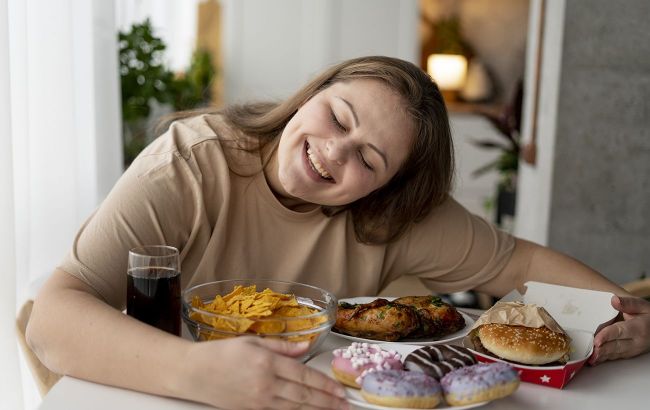 Why stress and anxiety make us eat more (photo: Freepik)
Emotional eating is one of the most common responses to prolonged stress, anxiety, or inner tension. In moments of psychological overload, food stops serving a physical function and takes on an emotional one, gradually creating a vicious cycle, says Natalia Harina, Ukrainian psychologist and psychotherapist.
According to her, emotional eating is a way of coping with stress, anxiety, or inner emptiness through food.
"In these moments, food stops being a source of physical nourishment and instead serves a psychological role—calming, distracting, or temporarily reducing tension," Harina notes.
How stress affects appetite
During stress, the body’s cortisol levels rise. This hormone increases appetite and cravings for sweet and fatty foods, which quickly activate pleasure centers in the brain and provide a brief sense of relief.
"The problem is that the effect fades quickly, while feelings of guilt and self-criticism intensify tension, creating a vicious cycle," Harina explains.
It’s not lack of willpower - it’s a skill gap
Emotional eating often occurs when a person lacks the skills to recognize and process emotions. Instead of acknowledging anger, fatigue, loneliness, or fear, these feelings are numbed with food.
"In this sense, overeating is not a failure of willpower but a deficit in psychological regulation," says Harina.
How to tell emotional hunger from physical hunger
The first step toward change is learning to distinguish between physical and emotional hunger.
"Physical hunger develops gradually and is satisfied with regular food. Emotional hunger comes on suddenly, involves a strong craving for specific foods, and does not go away after eating," explains Harina.
Recognizing this allows a pause between impulse and action—the moment where choice becomes possible.
Alternatives to eating your emotions
It’s important to gradually develop other ways to reduce tension, such as:
-
Movement and light exercise
-
Breathing exercises
-
Contact with loved ones
-
Short breaks or rest
Harina notes that these actions don’t give an instant dopamine hit but help build more sustainable self-support habits.
When to seek professional help
If emotional eating occurs regularly and is accompanied by a sense of losing control, it’s a sign to consult a specialist.
"Working on the causes of stress and emotional needs helps not just to stop emotional eating but to build a healthier relationship with food and oneself," Harina concludes.
Emotional eating is not a weakness—it’s the mind’s way of coping with overload. Awareness is the first step toward a more mindful and caring relationship with yourself.
This material is for informational purposes only and should not be used for medical diagnosis or self-treatment. Our goal is to provide readers with accurate information about symptoms, causes, and methods of detecting diseases. RBС-Ukraine is not responsible for any diagnoses that readers may make based on materials from the resource. We do not recommend self-treatment and advise consulting a doctor in case of any health concerns.