Who is LELEKA? Everything about Ukraine's representative at Eurovision 2026

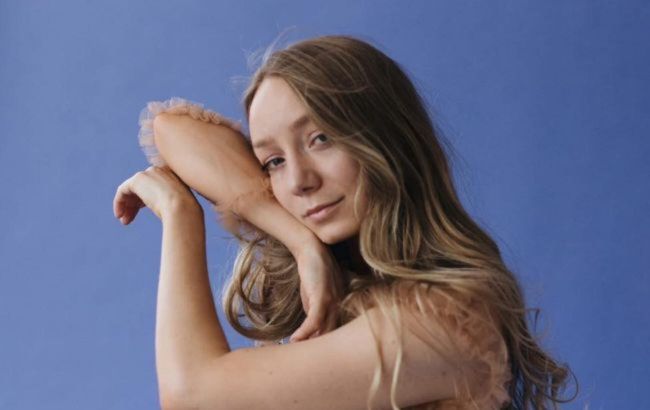 LELÉKA (photo: instagram.com/leleka_music)
Ukraine has chosen its representative for Eurovision 2026. The National Selection, held on February 7, was won by singer LELÉKA, who received the maximum number of points from both the jury and the audience.
Everything you need to know about Ukraine’s representative at the song contest in Vienna is covered in the RBC-Ukraine feature.
Who is LELÉKA
LELÉKA is the stage name of Viktoriia Kornikova, a Ukrainian singer, composer, and arranger.
She was born on November 10, 1990, in the city of Pershotravensk in the Dnipropetrovsk region (now Shakhtarske).
From an early age, Viktoriia dreamed of pursuing music and viewed singing as a way to emotionally heal people. At the same time, her professional journey did not begin immediately with vocals.
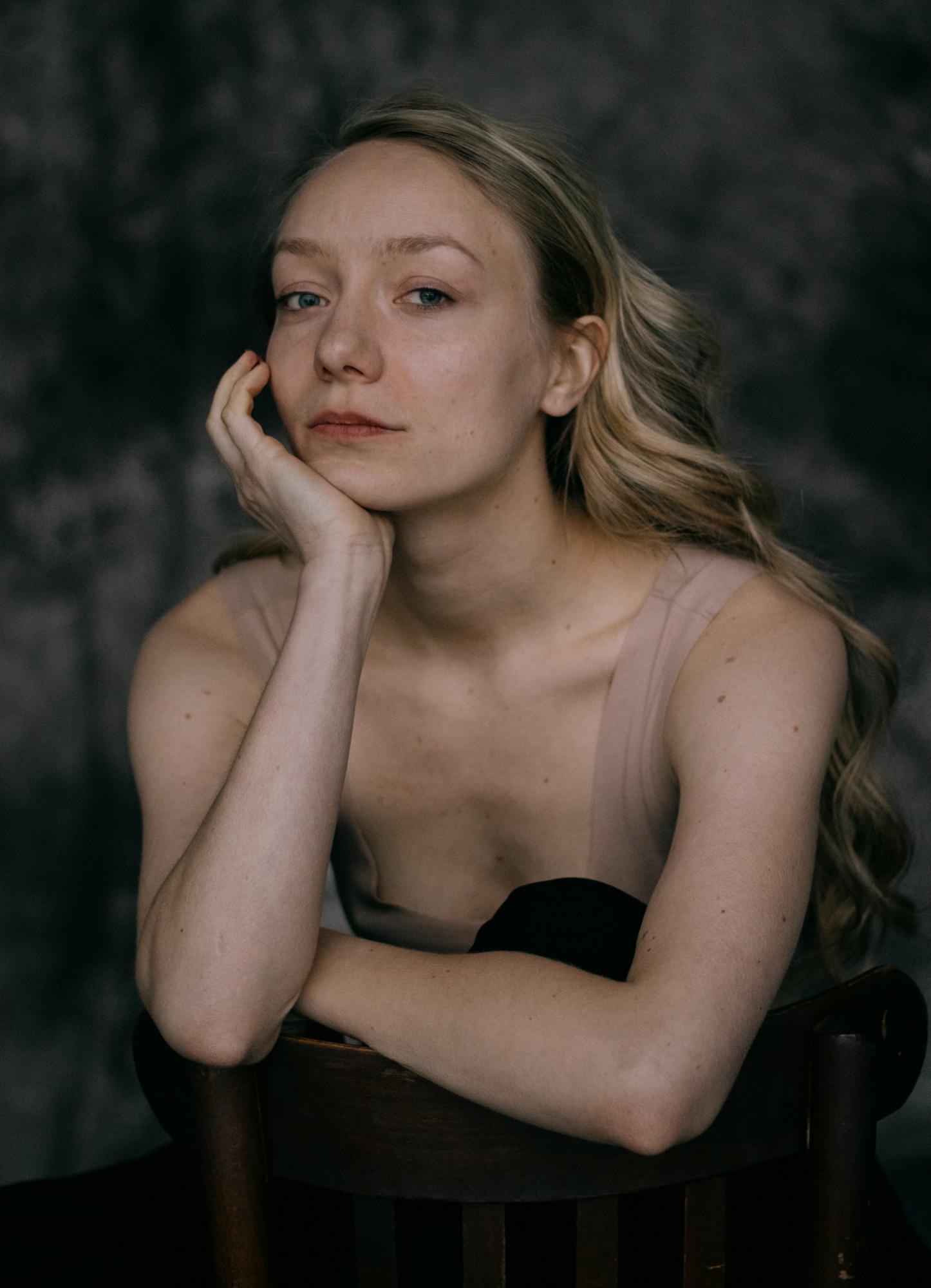 LELÉKA (photo: instagram.com/leleka_music)
Education and early career
After finishing school, Kornikova enrolled at the Kyiv National University of Theatre, Cinema and Television named after Ivan Karpenko-Karyi, where she studied performing arts and acting.
It was there that she began to develop her stage presence and to work consciously with emotion as a professional tool.
While studying, Viktoriia worked at the Molodyi (Young) Theatre, where she performed small roles in stage productions, including Khorovod of Love and Courtship in Honcharivka.
In 2014, Viktoriia moved to Germany. She applied to several music institutions and ultimately chose to study at the Carl Maria von Weber University of Music in Dresden.
There, Kornikova earned a bachelor’s degree in jazz vocals and a master’s degree in composition.
Studying in Germany became a key stage in shaping her unique style, which blends jazz, folklore, and contemporary classical music. In 2016, in Berlin, Viktoriia founded the LELÉKA project, which works at the intersection of Ukrainian folk music and jazz. The original lineup included German musicians, a pianist, double bassist, and drummer. The project emerged as a response to the events following the Revolution of Dignity. For Kornikova, it became a way to remain useful to Ukraine while living abroad: through charity concerts, cultural initiatives, and the promotion of Ukrainian music internationally.
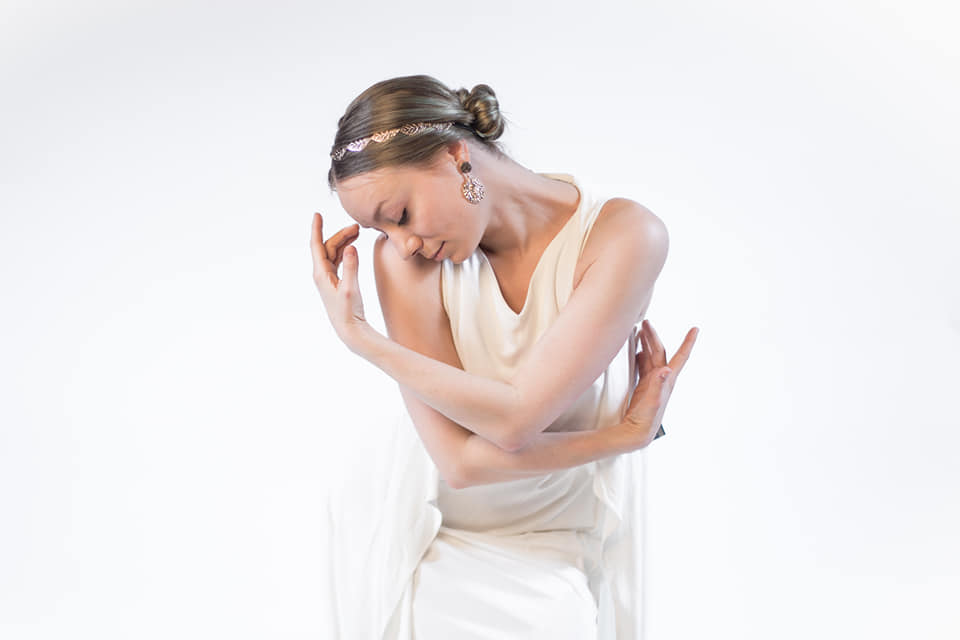
LELÉKA (photo: instagram.com/leleka_music)
Ridnym song and road to Eurovision
The idea for the composition Ridnym was born in early 2022 in Berlin, against the backdrop of mass protest actions, when people took to the streets demanding an end to Russian aggression against Ukraine.
It was at that time, according to the artist, that an inner impulse took shape, to create a song about connection, memory, and those who remain close, even at a distance.
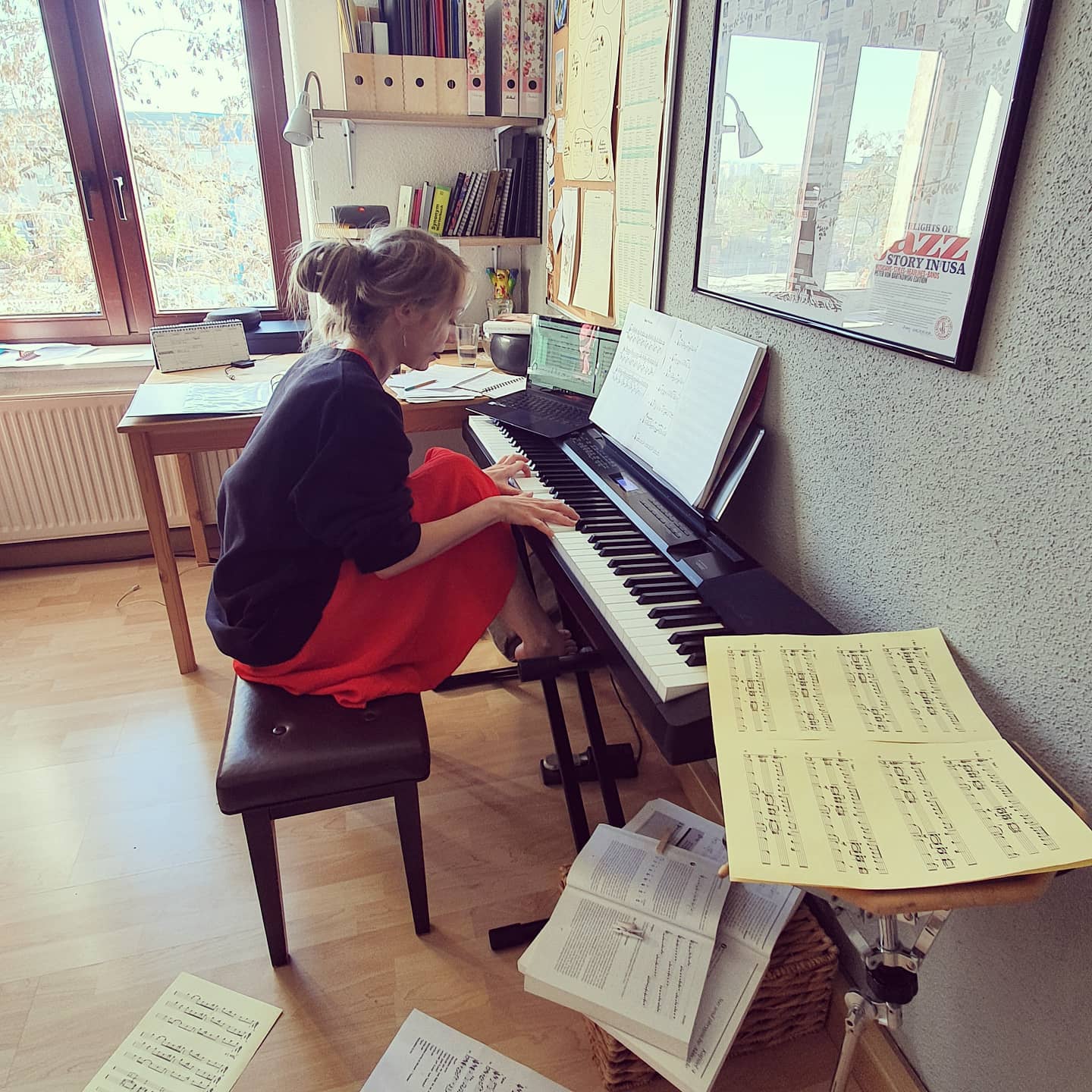
LELÉKA (photo: instagram.com/leleka_music)
Victoria Kornikova submitted her application for the National Selection quite spontaneously; Ridnym was assembled from musical sketches she already had.
"It’s a song about new shoots breaking through. And although we have lost a certain reality that we, as Ukrainians, will never get back, I believe that we will not only defeat the enemy, but also rebuild the country, and it will be the best country, one where everyone will want to live," Victoria shared.
Initially, the composition existed in a different language version, but in the process of work, it acquired its final form, the one that was ultimately performed on the final stage.
LELÉKA’s performance became one of the most emotional moments of the evening. Without excessive effects, the act relied on voice, silence, and meaning, so Ridnym stood out for its restrained delivery and a clear message that was easily understood without additional explanation.
This was also reflected in the voting results. The jury awarded the artist the maximum 10 points, placing her at the top of the ranking.
After the announcement of the audience vote, the situation did not change; viewers also gave the performance 10 points.
With the combined score, LELÉKA confidently won the National Selection and earned the right to represent Ukraine at Eurovision 2026.