Where does your money go? 10 sneaky expenses eating into your budget

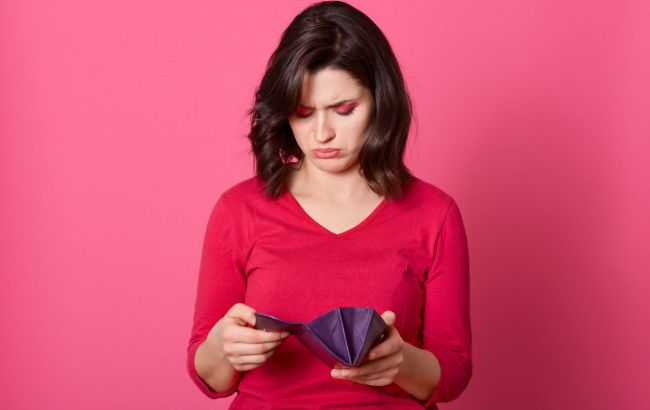 Small daily expenses can quietly eat up a significant portion of your budget (photo: magnific.com)
Your salary hasn't even had time to settle in your account, and you're already starting to wonder where some of the money went. It seems like you haven't bought anything special: coffee, a snack, some small thing at the store. But these are exactly the kinds of expenses that often go unnoticed.
RBC-Ukraine explains what we may be spending money on every day without even considering it a full-fledged purchase.
Coffee, water, and snacks on the go
One coffee on the way to work seems like a very small expense. The same goes for a bottle of water, a pastry, or a small snack.
The problem arises when such a purchase becomes a daily habit. Then money is being spent not on something big, but on a habit that we barely notice anymore.
It is especially easy to lose control when there are several such purchases throughout the day.
Delivery instead of picking it up yourself
Convenience comes at a price, too.
When ordering food, goods, or even small purchases with delivery, we may separately pay for things that we do not perceive as a purchase: delivery, a service fee, or a minimum order amount.
One such payment is unlikely to have a noticeable impact on the budget. But if you use delivery regularly, the amount is no longer insignificant.
Purchases to qualify for free delivery
Another trap is the desire to spend more so you do not have to pay for delivery.
For example, the shopping cart is just a little short of a certain amount. Instead of paying a small delivery fee, we add another item.
As a result, free delivery turns into an additional purchase that was not needed in the first place.
Small purchases at the checkout
It is easiest to grab something while you're at it at the checkout.
A chocolate bar, chewing gum, a drink, a cosmetic product, or another small item often ends up in the cart without any prior planning.
Each such purchase seems insignificant. But if you regularly add several spontaneous items to your main purchase, they can add up to a noticeable amount by the end of the month.
Unused subscriptions
There are expenses we stop noticing altogether because they happen automatically.
Music, movies, extra storage, apps, various services - we signed up for them once and then simply forgot about them.
That is why it is worth reviewing your bank charges from time to time and checking which services you are still being charged for automatically.
Paid features that seem pennies
It is also worth paying attention to small recurring payments.
These may include additional features in apps, small fees, or paid options that you hardly use.
The most deceptive thing here is that a small amount rarely makes you want to find out exactly what you were charged for.
Buying something new instead of using what you already have
Sometimes money disappears not because of a major purchase, but because we are unwilling to look for an alternative at home.
One product runs out - we buy a new one, even though there is already something similar in a cupboard somewhere.
You need a small household item - you buy it at the store without checking your supplies at home.
Gradually, this leads to duplicates of things that could have been left off the shopping list.
Discounts on things you did not plan to buy
A "-30%" sign can easily create the feeling that you are saving money.
But if you did not need the product before it went on sale, spending money on it is still spending money.
Such purchases are especially easy to overlook when they are small: "just a few hundred," "it's so cheap, it would be a shame not to get it." These are exactly the kinds of decisions that can make up a significant portion of unplanned spending.
Paid habits that have become automatic
There are things we buy not because we really need them, but because we are used to them.
Coffee at a certain place, a daily snack, a taxi for a short distance, buying something tasty on the way home - over time, it stops feeling like a spending decision.
But as far as your budget is concerned, it does not matter whether the purchase was a conscious decision. The money is still being deducted.
"I deserve it"
Another hidden expense may have nothing to do with needs at all, but with your mood.
A difficult day - you want to treat yourself. A good day - you want to celebrate. You're tired - you order delivery. You achieved a goal - you buy yourself something nice.
There is nothing wrong with treating yourself this way. But if a small purchase becomes a habitual reward for every emotion, expenses start appearing where you did not plan for them at all.
How to understand where your money is really going
You do not have to give up all the little pleasures right away. To start, it is enough to write down absolutely every expense for several days, even if it is a small amount.
Not only groceries or major purchases, but also coffee, delivery, fees, snacks, and spontaneous little things.
That is when you can see which expenses are occasional and which ones repeat every day simply because they have become a habit.
Sometimes it turns out that the problem is not one big purchase at all. Money can disappear little by little - we simply do not notice it in time.