Wellness trends to leave behind in 2025

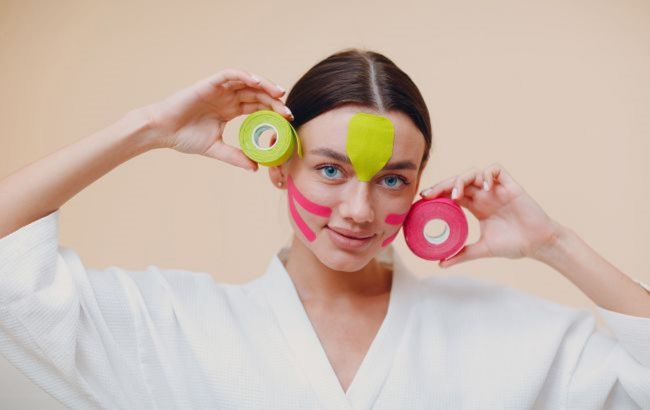 Popular wellness trends to abandon in 2026 (Getty Images)
In 2026, it's worth rejecting popular wellness online trends that lack scientific evidence, offer no benefits, and instead add stress and overload the body, according to the New York Post.
Parasite cleanses
German model Heidi Klum surprised everyone after revealing plans to undergo a parasite and worm cleanse.
"I'm going to deworm and de-parasite for the first time. I heard that you're supposed to do this once a year, and I've never done it," 52-year-old Klum said.
She did not specify precisely what cleanse she did, but said it included cloves and papaya seeds.
Gastroenterologist David Purow said there are no clear, proven benefits of such cleanses. Not everyone has parasites or worms in their normal microbiome, and self-treatment is not recommended—people should seek medical attention.
Commercial parasite cleanse products also lack sufficient evidence of efficacy and may carry risks, including potential damage to the kidneys or liver.
Excessive protein
Many grocery store products now have added protein. This has become another marketing gimmick, similar to keto, carnivore, or low-carb diets. However, balance is key.
These products should not be substitutes for meals that ideally include fruits, vegetables, and whole grains, which offer fiber and a range of phytochemicals and nutrients that many people already lack.
Excessive protein intake can harm blood vessels and increase the risk of heart disorders.
The recommended amount each day is about 0.8 grams per kilogram of body weight.
Fibermaxxing
Fibermaxxing is a modern trend focused on hitting a daily fiber intake target.
However, excessive fiber consumption can lead to gastrointestinal symptoms such as bloating and cramps. Too much fiber may also interfere with the body's ability to absorb iron, calcium, and zinc.
Recommended daily intake is about 25 grams of fiber for women and 38 grams for men.
Mouth taping
It's a technique that involves placing a special elastic tape over the mouth to promote nasal breathing during sleep, which is expected to reduce snoring and improve sleep.
However, this method has no medical evidence to support it, poses a risk of suffocation, and may worsen sleep apnea.
This material is for informational purposes only and should not be used for medical diagnosis or self-treatment. Our goal is to provide readers with accurate information about symptoms, causes, and methods of detecting diseases. RBС-Ukraine is not responsible for any diagnoses that readers may make based on materials from the resource. We do not recommend self-treatment and advise consulting a doctor in case of any health concerns.