Want to stay healthy and happy in winter? Try these Scandinavian habits

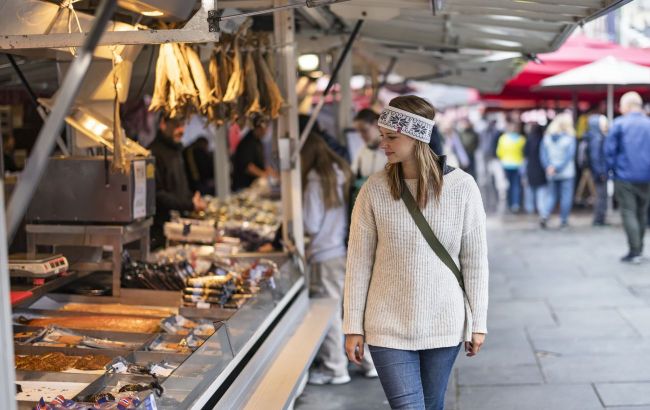 These daily rituals in Sweden, Norway, and Denmark help prevent burnout and maintain physical health (photo: Getty Images)
Scandinavian countries rank at the top of global happiness rankings year after year, despite their harsh climate, long winters, and limited sunlight. The secret to life in Denmark, Sweden, Norway, and Finland lies in distinctive philosophies and habits that have evolved over centuries and help people maintain their mental and physical well-being.
RBC-Ukraine explores the key Scandinavian concepts, their deeper meaning, and how to apply them in everyday life.
Hygge: Danish art of coziness and living in the moment
Hygge is a Danish philosophy that describes a feeling of coziness, peace of mind, and comfort. It is about appreciating life's simple pleasures, creating a warm atmosphere, and being present in the moment without rushing.
-
Soft lighting: Using candles, warm string lights, and floor lamps instead of bright overhead lighting.
-
Delicious food and drinks: Enjoying pastries, hot tea, coffee, or mulled wine slowly.
-
Tactile comfort: Soft blankets, wool socks, pillows, and comfortable clothing.
-
Warm social connections: Spending time with loved ones without discussing difficult or contentious topics.
How can we apply this? Create a cozy corner at home with a blanket and a book, light candles or string lights in the evening, and enjoy tea with family or friends without electronic devices.
Lagom: Swedish philosophy of balance and moderation
The Swedish word "lagom" means "not too much, not too little, but just the right amount." It is a philosophy of moderation, practicality, and harmony in everything, from consumption to work schedules.
-
Work-life balance: Finishing the workday on time without putting in overtime.
-
Mindful consumption: Avoiding unnecessary shopping and choosing quality, essential items.
-
Environmental responsibility: Using resources carefully, sorting waste, and reusing items.
-
Emotional restraint: Avoiding extremes, showing off, and unnecessary extravagance.
How can we apply this? Clear out items you no longer use, stop taking on extra work that leads to burnout, and practice moderation in your diet and spending.
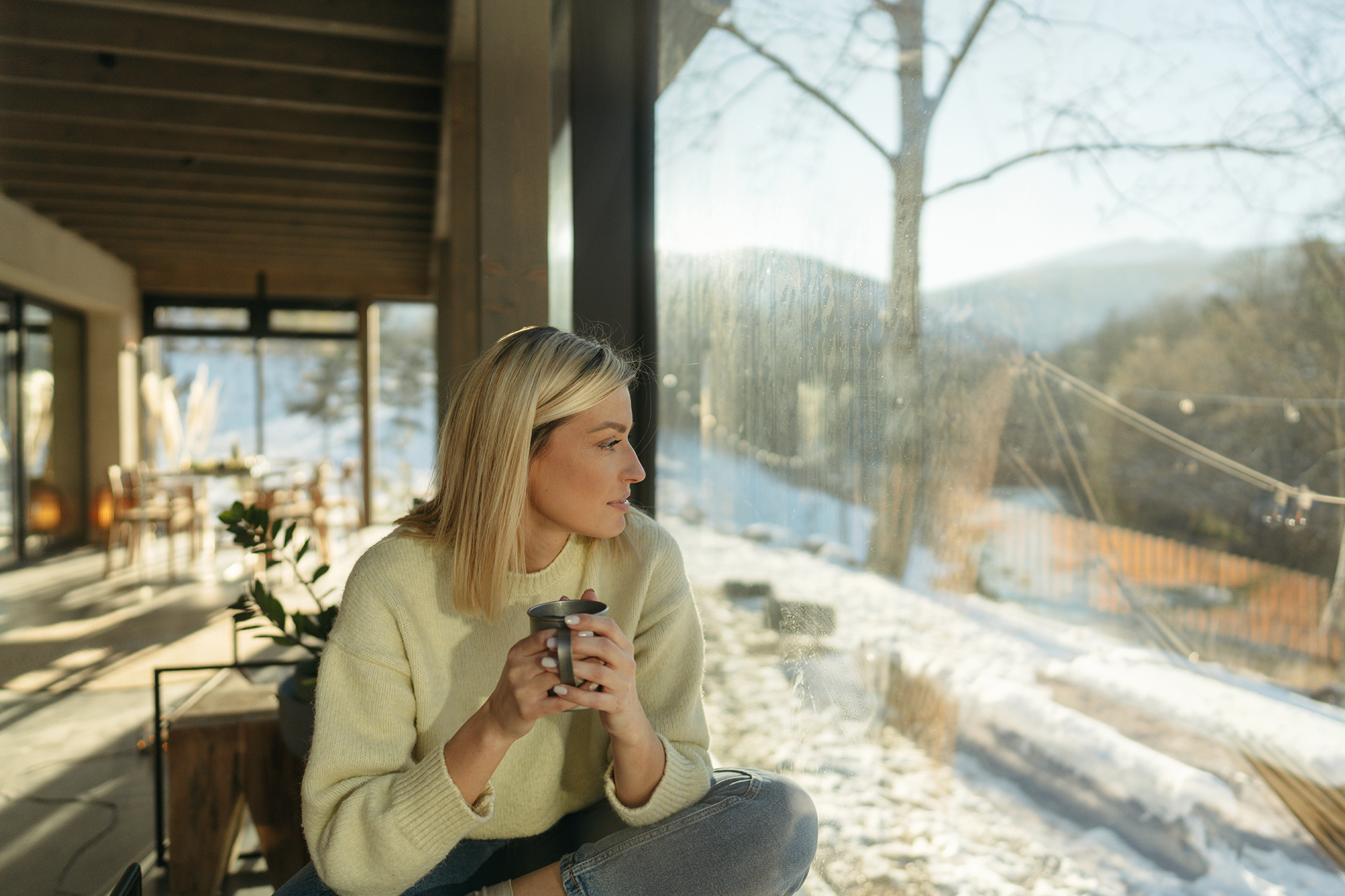
Winter is a time to rest (photo: Getty Images)
Friluftsliv: Norwegian love of nature
The Norwegian concept of "friluftsliv" literally means "life in the open air." It reflects the belief that spending time in nature, whatever the weather, is key to physical health and mental restoration. In Norway, people say, "There is no such thing as bad weather, only the wrong clothing."
-
Daily walks: Going outside regardless of whether it's raining, snowing, or windy.
-
Layered clothing: Wearing quality thermal layers and waterproof gear to stay comfortable.
-
Respect for the environment: Walking through forests, mountains, or parks without leaving litter behind.
-
Active recreation: Hiking, skiing, or cycling on weekends.
How can we apply this? Take a 30-minute walk every day, regardless of the season. Invest in comfortable, warm clothing and spend your weekends in nature or at a city park.
Sisu: Finnish resilience
"Sisu" is a unique Finnish concept that refers to inner strength, perseverance, resilience, and the ability to keep going even in the most difficult circumstances. It is not simply courage but a deep, enduring inner strength.
-
Embracing challenges: Seeing difficulties as problems to solve step by step.
-
Calm determination: Avoiding panic and complaints in critical situations.
-
Strengthening body and mind: Engaging in regular physical activity, taking contrast showers, practicing cold exposure, or visiting a sauna followed by a plunge into cold water.
-
Preserving willpower: Working toward a goal even when emotional resources are depleted.
How can we apply this? Build discipline through exercise, try hardening practices, and focus on solutions rather than complaining when life gets difficult.
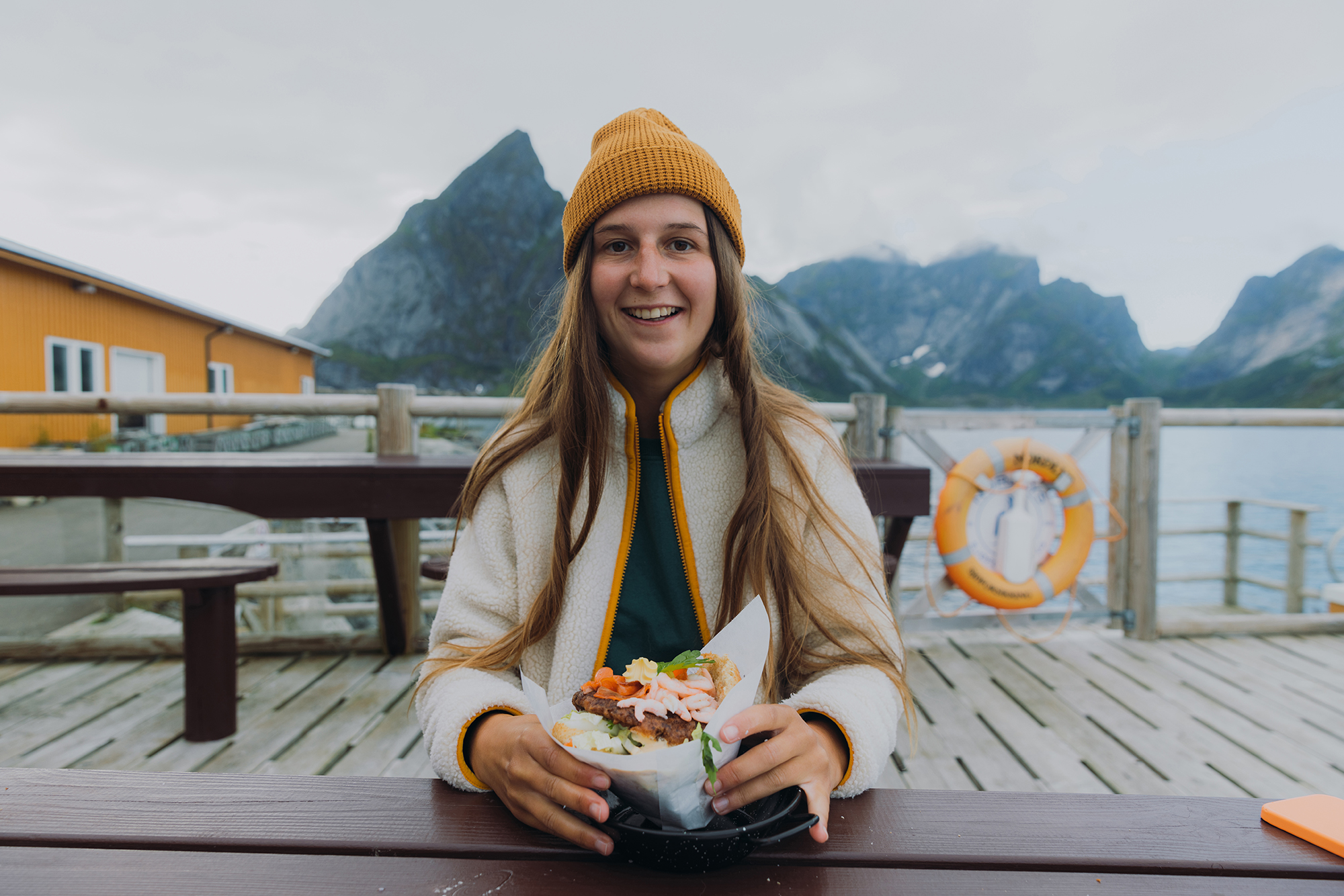
Eating well in cold weather matters, too (photo: Getty Images)
Lykke: Danish pursuit of lasting happiness
While hygge is about enjoying a cozy moment, "lykke" (the Danish word for "happiness") describes an overall sense of well-being and life satisfaction. Danes believe happiness is built on several interconnected factors: social trust, freedom, health, balance, and mutual support.
-
Building trust: Treating others with kindness and being willing to help neighbors or colleagues.
-
Physical activity for pleasure: Choosing forms of exercise you enjoy, such as walking or cycling.
-
Shared rituals: Creating traditions with friends or within your community.
How can we apply this? Get to know your neighbors, join social initiatives in your building or neighborhood, and create small traditions with the people close to you. Find like-minded communities on Threads and connect with people who share your interests.
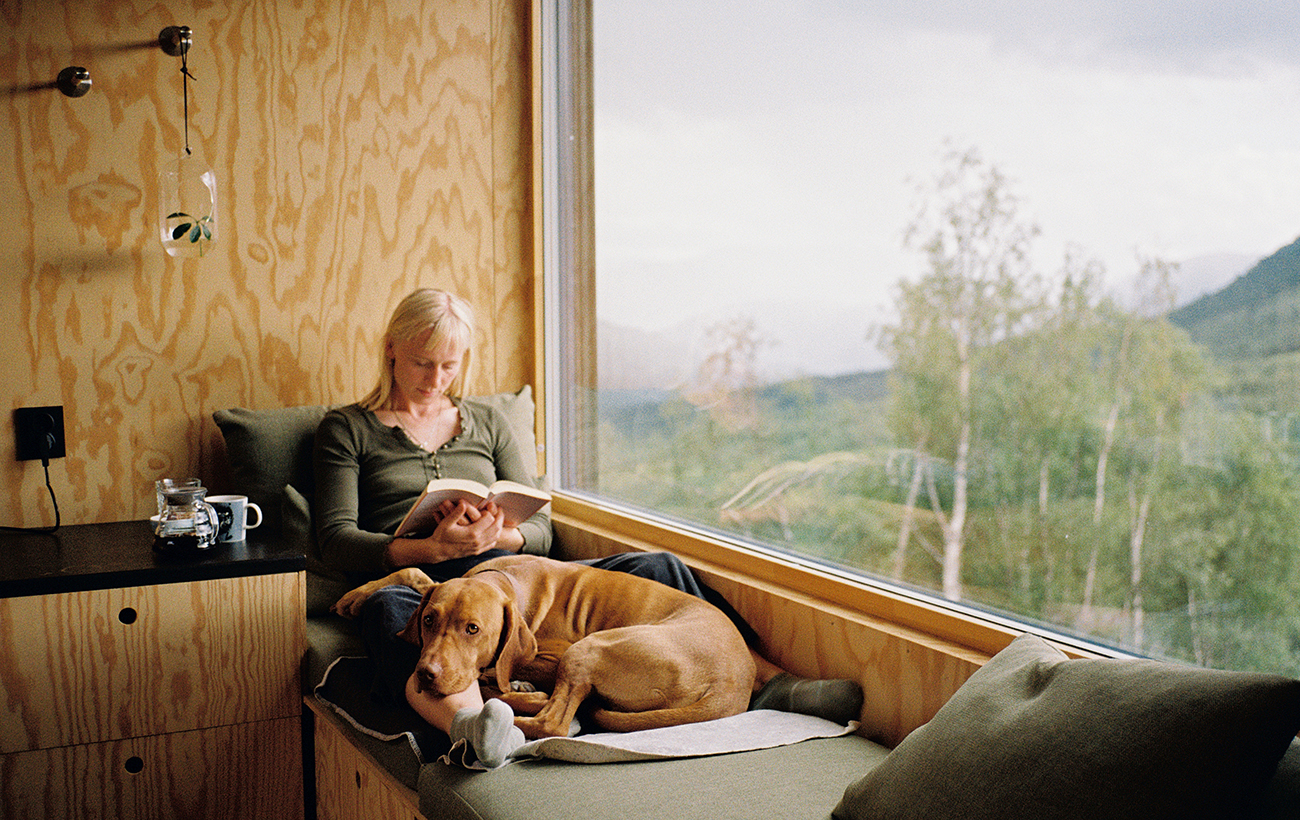
You can enjoy your favorite activities even in cold weather (photo: Getty Images)
Everyday secrets to staying warm: What people eat and how they relax
Beyond their broader life philosophies, people in the Nordic countries follow specific daily habits that help them maintain high energy levels, a strong immune system, and a positive mood throughout the cold months.
Vitamin D as a daily staple
With limited sunlight in fall and winter, Scandinavians pay particular attention to vitamin supplementation. Vitamin D is widely recommended across the Nordic countries. Children and adults take it regularly from October through April, and some do so year-round.
Omega-3 supplements and cod liver oil are also popular. Taking fish oil is a longstanding tradition in Norway and Iceland and helps support joint, cardiovascular, and nervous system health during periods of stress and cold weather.
Winter diet: Warming foods and seasonal ingredients
Scandinavian cuisine in the colder months focuses on keeping people full for longer and helping them feel warm from within.
Hearty meat and fish soups are popular, including Finnish lohikeitto (a creamy salmon soup) and lentil stews with root vegetables such as carrots, parsnips, and celery.
For breakfast, Scandinavians often choose oatmeal or barley porridge topped with Nordic berries such as lingonberries, cranberries, and cloudberries, which are rich in vitamin C.
Winter baked goods and drinks often feature generous amounts of cinnamon, cardamom, ginger, and cloves, which stimulate circulation.
Winter evenings and leisure: From saunas to Fredagsmys
When daylight dwindles to just a few hours, Scandinavians do not withdraw into themselves. Instead, they create special evening rituals.
In Finland and Sweden, the sauna is not merely a leisure activity but an integral part of personal hygiene and health care. Warming the body and then cooling it down helps reduce stress hormone levels and strengthen blood vessels.
In Sweden, families gather on the couch on Friday evenings, wrapped in blankets, watching movies, and eating simple home-cooked food while leaving their worries at the door.
People in colder countries also spend long winter evenings doing crafts, reading, cooking, or playing board games with their families.
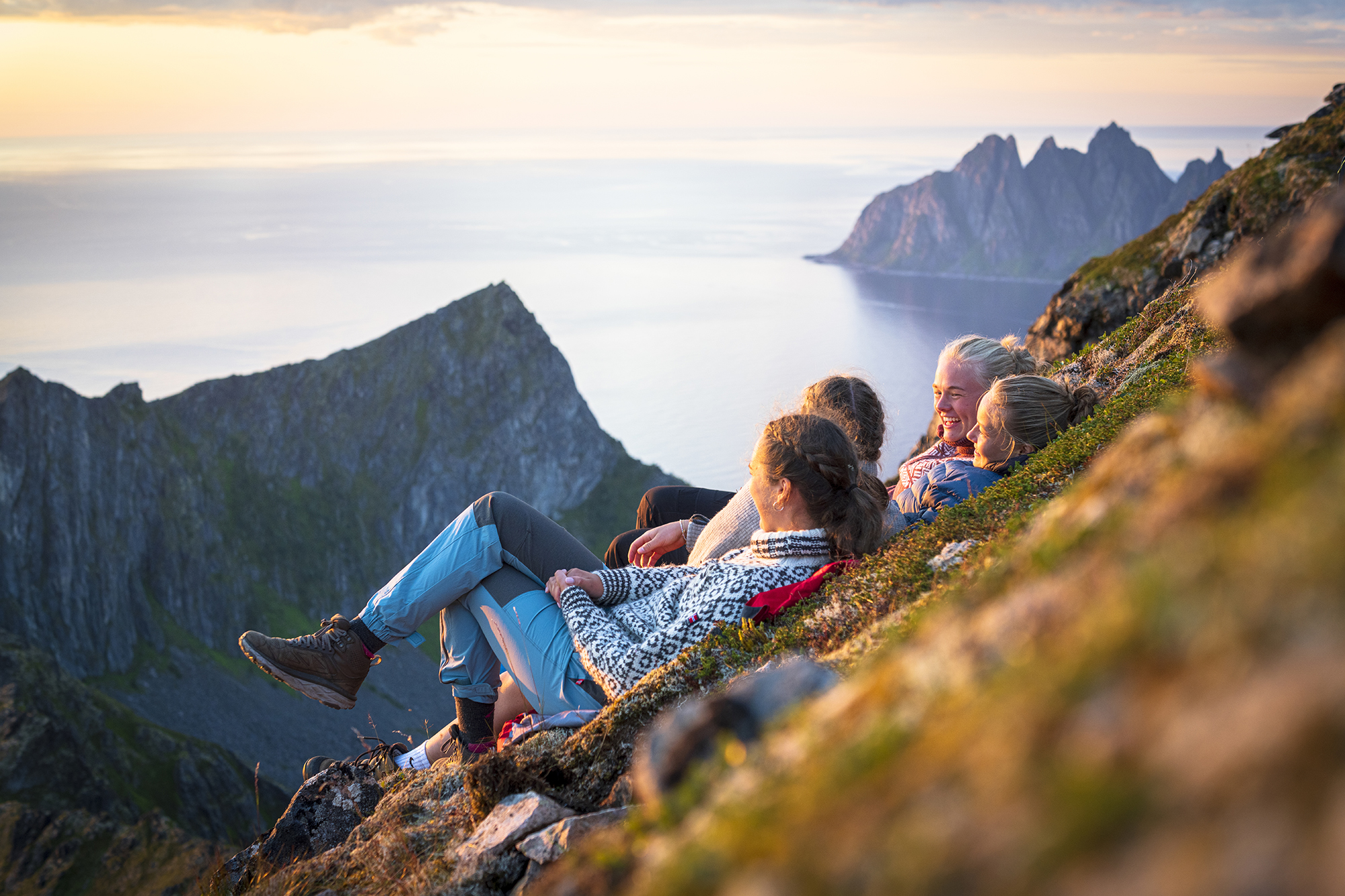
Nature and family are the best natural antidepressants (photo: Getty Images)
Sources of inspiration and joy
During the dark winter months, Scandinavians have learned to find beauty and inspiration in their everyday surroundings. Candles and various forms of localized lighting are staples in most Nordic countries. Even in the evening, people rarely use bright overhead lights. Instead, people opt for small table lamps, string lights in windows, subtle accent lighting, and, of course, candles.
Despite the frost, snow, and cold, Scandinavian homes always feature live plants. Large vases often hold evergreen branches that evoke nature and bring a fresh feel to indoor spaces.
Most importantly, winter is not seen as "lost time" or a period of "hibernation." For Scandinavians, it is a natural time to slow down mindfully, rest, recharge, reassess plans, and reset mentally. Their everyday habits focus on self-care, comfort, and finding pleasure in ordinary daily activities.
This material is for informational purposes only and should not be used for medical diagnosis or self-treatment. Our goal is to provide readers with accurate information about symptoms, causes, and methods of detecting diseases. RBС-Ukraine is not responsible for any diagnoses that readers may make based on materials from the resource. We do not recommend self-treatment and advise consulting a doctor in case of any health concerns.