Vučić announces resumption of operations at Russia’s sanctioned Gazprom refinery in Serbia

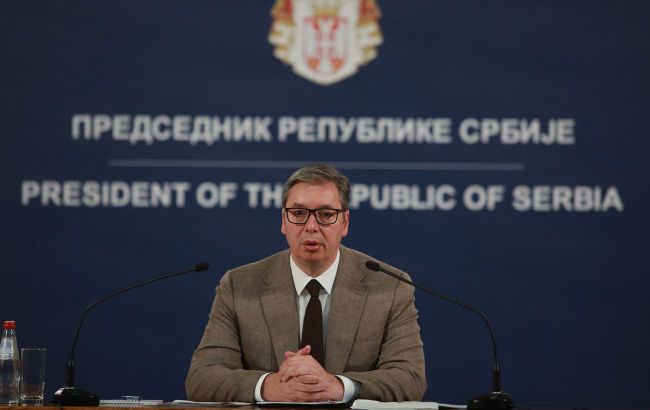 Photo: Serbian President Aleksandar Vučić (Getty Images)
Serbia has announced the resumption of oil refining at a facility owned by the sanctioned company NIS. Refining is set to begin after January 15, once the company receives a temporary waiver from US sanctions and a license, according to a statement by Serbian President Aleksandar Vučić, according to Reuters.
Speaking to the press in Belgrade on January 4, Vučić said he expects the first oil shipments to arrive and operations at NIS’s oil refinery to resume by mid-January.
He said he expected the first 85,000 tonnes of crude oil to arrive by January 15, that the refinery would start operating on January 17 or 18, and that the production of petroleum products would begin on January 25 or 26.
NIS is Serbia’s only oil refining company and supplies the majority of the country’s oil needs. It is under US sanctions because a significant stake in the company is owned by Russian entities, including sanctioned Russian state-owned companies.
Gazprom Neft, a Serbian-Russian subsidiary of Gazprom, owns 44.9% of NIS shares, while Gazprom itself holds 11.3%. The Serbian government owns only 29.9%. The US granted NIS time to negotiate changes to its ownership structure and the sale of the Russian stake, but the deadlines have been repeatedly postponed.
In particular, on December 31, 2025, Serbian Energy Minister Dubravka Đedović said the US had suspended sanctions against NIS. The company received a license from the US Office of Foreign Assets Control (OFAC) allowing it to operate until January 23, 2026.
In late September, the US postponed the reinstatement of sanctions against the company for the seventh time. After a series of delays, Washington said sanctions would be imposed on NIS from October 8, but they were later postponed again. As of early January 2026, the company has still not changed its ownership structure.
In November, it emerged that Serbia was preparing amendments to its budget law that would allow for the nationalization of the Russian-owned oil refinery that has come under sanctions. Earlier attempts to find a buyer for the Russian assets failed, prompting authorities to grant an additional week to continue the search.