US winter storm sweeps country, forcing thousands of flight cancellations

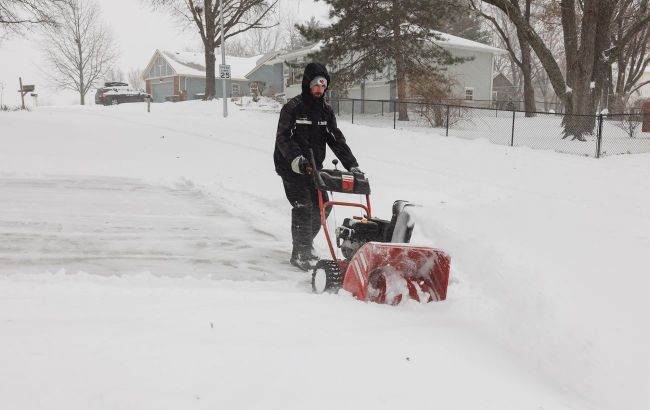 Photo: snowstorm in the US (Getty Images)
A powerful winter cyclone bringing heavy snowfall has once again swept across the US, causing widespread disruptions to air travel, according to ABC News.
More than 2,000 flights have already been canceled, and millions of Americans are feeling the impact of the latest severe weather system.
The storm rapidly intensified on Saturday, January 31, near the Carolina coast in the Atlantic Ocean. Strengthening winds and heavy precipitation quickly escalated into a major blizzard.
The first snowfall was recorded a day earlier in eastern Tennessee, both Carolinas, and southern Virginia. Up to 8 centimeters (about 3 inches) of snow fell in northeastern Tennessee.
As of Saturday, the number of canceled flights had exceeded 2,000.
In addition to heavy snow, meteorologists are reporting record-low temperatures. In Miami, temperatures are expected to drop to levels not seen since the 1930s, while wind chill could feel stronger than at any point since the 1920s.
Forecasters say snowfall is expected to ease somewhat on Sunday, February 1, but cold weather across the eastern United States is likely to persist throughout the coming week.
Impact of the snowstorm
As previously reported, New York City has declared a Code Blue extreme cold alert due to dangerous weather conditions, posing a serious risk to people experiencing homelessness. City officials said mobile outreach teams will be working on the streets, directing unhoused residents to temporary shelters.
According to analysts, approximately 2,500 to 3,500 Americans die each year from hypothermia and exposure to extreme cold. In 2023, there were about 2,520 such deaths, while in 2022 the number rose to as many as 3,500 during severe winter cold spells nationwide.
There were also reports of rising oil prices due to the snowstorm. Analysts and traders estimate that US producers lost up to 2 million barrels per day - roughly 15% of national output - over the weekend as a result of the extreme weather.