US to deploy Dark Eagle hypersonic missile for strikes on Iran

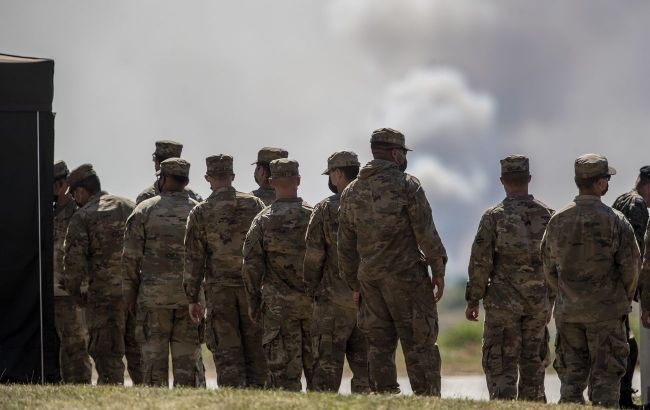 Photo: US Army (Getty Images)
US Central Command has requested that the Dark Eagle hypersonic missile be deployed to the Middle East for potential use against Iran. If the request is approved, it will mark the first combat deployment of US hypersonic weapons in history, according to Bloomberg.
Why Dark Eagle needed
Iran has moved its ballistic missile launchers deeper into the country, beyond the range of the Precision Strike Missile, which strikes targets at distances of over 480 km. The Dark Eagle has a significantly greater range, over 2,775 km, although its exact specifications are classified.
Developed by Lockheed Martin, the missile flies at more than five times the speed of sound and is capable of maneuvering to evade interception. Each missile costs about $15 million, and there are no more than eight of them in total. The cost of a single battery is estimated at $2.7 billion.
Signal to Russia and China
The deployment of the Dark Eagle will also have a strategic dimension. It will signal to Russia and China, which have long had their own hypersonic systems, that the US is finally capable of responding to this challenge. The missile was originally developed specifically to counter these countries.
Context: a ceasefire, but preparations for strikes
A ceasefire has been in effect between the US and Iran since April 9, but the request indicates that Washington is preparing for new strikes if Trump makes that decision. According to estimates by Bloomberg Economics analysts, both sides have used the pause to rearm, and any new rounds of fighting could be more destructive.
The US has already expended approximately 1,100 JASSM-ER cruise missiles in this conflict. Although American aircraft operate under conditions of local air superiority, dozens of MQ-9 drones and several manned fighter jets have been shot down, a sign that Iran’s air defense capabilities remain intact in certain areas.
Iran is using a complex $800 million oil smuggling scheme, disguising its tankers as Iraqi vessels to slip through the naval blockade unnoticed. This is evidenced by data from analysts who, using artificial intelligence, detected an entire cluster of violator vessels west of the Strait of Hormuz.
US President Donald Trump has confirmed his intention to increase pressure on Tehran. On April 29, he stated that the naval blockade would continue until Iran agrees to a new nuclear deal. Washington demands a complete halt to the uranium enrichment program, while Tehran calls this its sovereign right.
The Iranian side proposes opening the strait in exchange for access to its ports. According to Secretary of State Marco Rubio, this proposal is not bad, but Iran wants to postpone resolving the nuclear issue until later, which does not suit the United States.