US suspends certain sanctions against Russia’s Lukoil

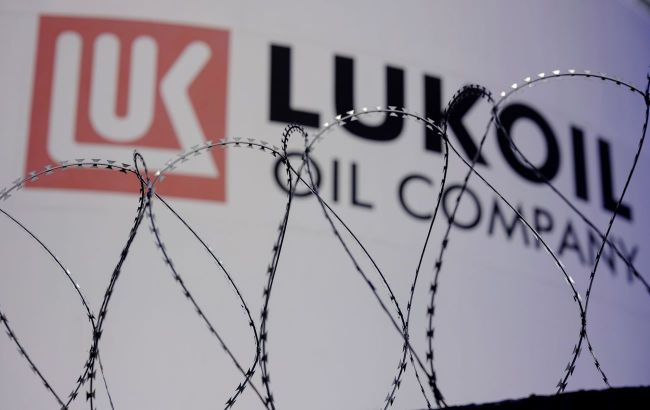 Illustrative photo: US eases sanctions on Lukoil (Getty Images)
The US Department of the Treasury has extended a special license that temporarily exempts the foreign network of the Russian oil company Lukoil from sanctions, according to the US Treasury.
The Treasury Department announced the extension of a general license allowing Lukoil’s foreign gas station networks to operate without being subject to sanctions. The document will be valid until the end of April 2026.
According to the Office of Foreign Assets Control (OFAC), the decision was made to mitigate harm to consumers and suppliers seeking to conduct ordinary operations.
Lukoil owns stakes in European refineries, assets in Iraq and Kazakhstan, as well as a network of gas stations in the US, Belgium, Romania, and other countries.
Due to the company’s extensive presence, a full and immediate blockade could cause disruptions in local fuel markets.
At the same time, US sanctions against Lukoil and Rosneft, implemented on November 21, remain in effect, and the exemption for gas stations does not lift restrictions on the companies’ other activities.
US oil sanctions
The first package of sanctions against key Russian oil companies was introduced by Washington in November 2025. They were aimed at limiting the Kremlin’s revenue from energy resources.
After the sanctions were announced, international partners expressed concern about potential fuel supply disruptions, as Lukoil has an extensive network and critical assets abroad.
For this reason, OFAC decided to temporarily allow the company’s retail gas stations to operate in order to avoid sharp market shocks.
Despite this temporary easing, experts note that the sanctions have significantly restricted Lukoil’s international operations, and the license extension provides only a limited time buffer for gas station operators.
In October, the US imposed sanctions on two major Russian oil giants – Rosneft and Lukoil. The restrictions were implemented to increase pressure on the Kremlin and force Putin to negotiate with Ukraine.
Following these measures, the Russian President began considering the unpopular step of raising taxes, indicating serious economic problems in Russia.
It was also reported that the Hungarian company MOL had shown interest in potentially acquiring Lukoil’s foreign assets, which are under sanctions.