US slashes military exercises ahead of Trump’s Asia visit: Raising questions

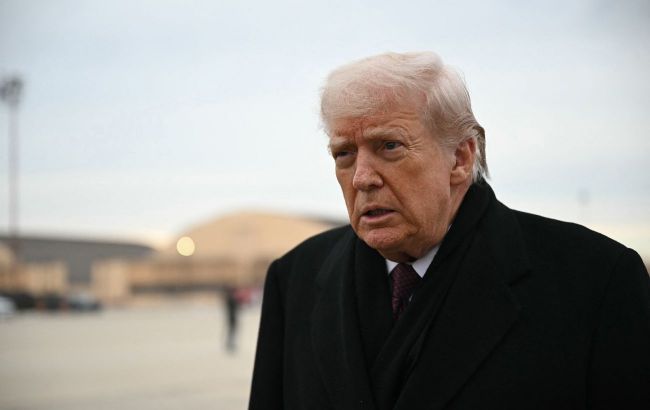 Donald Trump, President of the US (photo: Getty Images)
On Monday, March 9, the annual spring maneuvers, Freedom Shield, began, but their scale turned out to be significantly smaller than last year's, according to a Bloomberg report.
The exercises started on March 9 and will last until March 19.
At the same time, according to journalists, the number of field training exercises was reduced by more than half, from 51 to 22, compared to last year. This happened against the backdrop of preparations for Donald Trump's visit to Asia and has already sparked a wave of discussions about a shift in Washington's strategy in the region.
Thus, this year the allies demonstrated restraint, in contrast to their activity in previous years. At the same time, the South Korean Ministry of Defense insists that the drills are proceeding as planned, and the field training exercises will simply be evenly distributed throughout the year.
According to US military officials, the training aims to improve operational compatibility between the allies, strengthen joint defense, and enhance combat readiness.
At the same time, these maneuvers predictably draw sharp criticism from North Korea, which has long called them preparation for a possible invasion.
Shadow of the Middle East and Patriot systems
The drills are taking place in a tense atmosphere.
Local media reports a possible redeployment of American resources — specifically Patriot air defense systems — from the Korean Peninsula to the US conflict zone with Iran. The US Forces Korea command refused to confirm this data, citing secrecy, but assured that it maintains a ready-to-act presence in the region.
"United States Forces Korea remains focused on maintaining a strong, ready, and combat-credible force posture on the Korean Peninsula," the statement read.
Trump’s visit and the summit with Xi Jinping
Military analysts believe the main factor behind the restraint is preparations for Donald Trump’s major tour of Asia.
In the coming weeks, the US president is expected to arrive in the region for a pivotal meeting with Chinese leader Xi Jinping. China’s Foreign Ministry has already confirmed that the war in the Middle East will not interfere with the summit, which is expected to address key disagreements between Beijing and Washington.
The reduction in military exercises coincided with South Korean President Lee Jae Myung's attempts to establish dialogue with North Korea.
However, North Korean leader Kim Jong Un dismissed Seoul’s peace initiatives as an awkward deception. At the same time, North Korea reaffirmed its intention to continue developing its nuclear program despite any diplomatic efforts by its neighbors.