US military limits recognized faiths to 31 under Hegseth directive

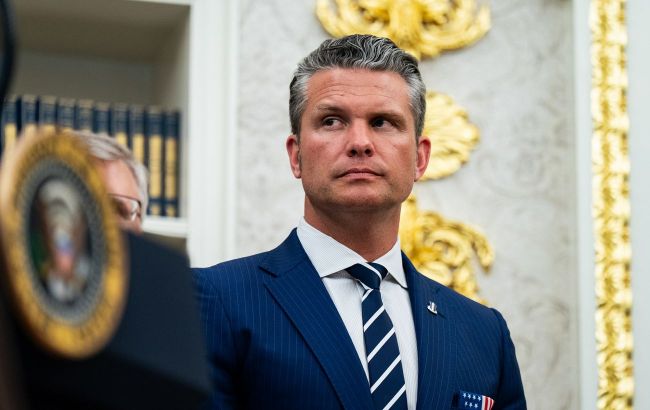 US Secretary of War Pete Hegseth (Photo: Getty Images)
The US Department of War has removed 180 religions from the official list. Secretary of War Pete Hegseth called the old system impractical and changed the chaplain insignia, reports Fox News.
The Pentagon went for a radical reduction because the previous system proved too cumbersome. Secretary of War Pete Hegseth called it unsuitable for real use. Previously, chaplains had to navigate numerous religious codes, and now bureaucratic processes will be simpler.
A service memo from Deputy Secretary of Defense Anthony Tata notes that this step will improve the Department of Labor's work. It will allow for more efficient provision of religious support.
"The new list will provide chaplains with clear, readily available information that will better enable them to anticipate the religious support needs of service members and to provide religious support activities that align with service members’ personal faith and practices," noted Anthony Tata.
Who made it into the updated list
The US Army has kept the major world religions and the largest denominations on the list. The majority of soldiers have long identified with these groups. The new system reflects the real needs of personnel.
The list of 31 recognized religions includes:
- Christian groups (Catholics, Baptists, Lutherans, Methodists);
- Islam;
- Judaism;
- Buddhism and Hinduism;
- Sikhs;
- Agnostics.
According to Hegseth, the old system grew artificially. Many codes remained empty for years, and no service members listed them as their faith. The Secretary of War emphasized that the vast majority of soldiers adhere to only six major religious codes.
New rules for chaplains: faith above rank
The changes affected not only statistics but also the clergy's appearance. The Pentagon ordered active chaplains to change their insignia. Now religious symbols will take priority.
Military chaplains are to replace their rank insignia with symbols of their religious affiliation. Hegseth explained this ideologically: the spiritual mission of a chaplain should come first.
"A chaplain is first and foremost a chaplain, and an officer second. This change is a visual representation of that fact," emphasized the head of the department.
What you should know about chaplains of the Armed Forces of Ukraine
The Orthodox Church of Ukraine intends to increase the ranks of military chaplains. There is a great need for this among Ukrainian soldiers, who testify that chaplains provide them with strong spiritual support.
The Cabinet of Ministers also amended the Regulation on the issuance of a mandate for the exercise of military chaplaincy activities. Now, candidates will have six months instead of three to sign a contract.