US massive operation: Nearly 900 strikes on Iran in half a day

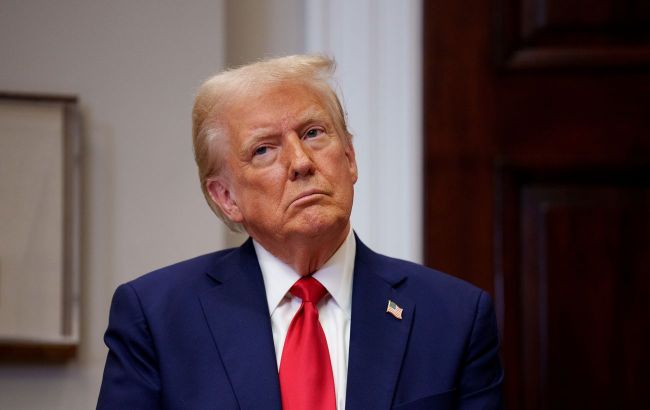 Donald Trump (photo: Getty Images)
In the first 12 hours of the military operation against Iran, US forces carried out about 900 strikes, according to a post by Fox News correspondent Jennifer Griffin on the social media platform X.
Read also: US President issues statement to Iran after Khamenei's death
According to Fox News correspondent Jennifer Griffin, the attacks were carried out from land, air, and sea, including drones. At the same time, US military forces were repelling a massive retaliatory bombardment.
“Iran has fired about 300 missiles today. They have 2000 long range missiles and 2000 shorter range missiles. They had built back up their arsenal since last summer,” the post said.
Attacks in Bahrain and the goals of the operation
The journalist clarified that in Bahrain, Iran struck a vacant warehouse and the Ray Dome radar system.
According to a US Department of Defense representative, backup systems are deployed in the region, and nothing that has happened has affected the mission.
The goal of the operation, as noted, is to deprive Iran of the ability to launch attacks against neighboring states.
Continuation of the operation
The message emphasizes that the United States and its partners are aware of the location of Iran’s highly enriched uranium, but access to it is difficult.
The operation is expected to last several weeks, although the US president may decide to end it earlier.
One American official also said that part of Iran’s air defense systems remain operational, and it will take several days to destroy them.
US President Donald Trump stated that the decision to begin a military operation against Iran was made after the failure of negotiations on a new nuclear agreement. According to him, diplomatic efforts did not yield results, which pushed Washington toward a military scenario. At the same time, the US leader stressed that, if necessary, he is capable of ending the military campaign within three days.
Global oil prices rose to the highest level in seven months, and tanker traffic in the Strait of Hormuz was practically halted. The consequences of the escalation of the conflict between Israel, the US, and Iran do not end there, as tensions are already affecting global markets and logistics.