US-Israel attack on Iran planned week earlier: Axios reports what stopped it

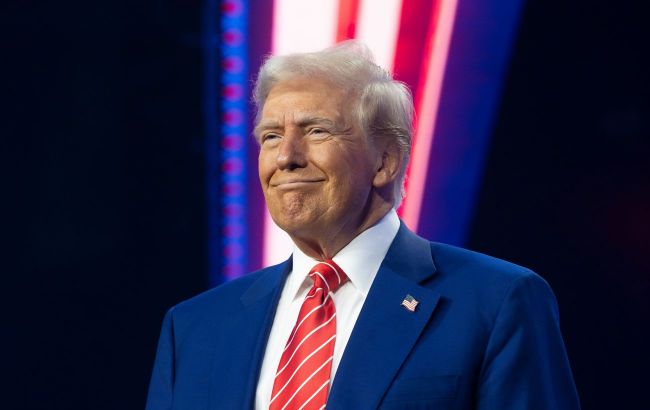 Donald Trump (photo: Getty Images)
The US and Israel initially planned to attack Iran a week earlier, but the strike was postponed for operational and intelligence reasons, according to Axios.
According to sources, after the second round of US–Iran talks on February 17 ended without progress, US and Israeli military planners began preparing to launch the strike on Saturday, February 21.
However, authorization was not granted. US and Israeli officials said one of the main reasons for the delay was poor weather conditions in the region.
Another Israeli official explained that the delay was largely caused by US actions and was related to the need to improve coordination with the Israel Defense Forces.
“The last two weeks have been very back and forth,” said another official from the Donald Trump administration.
Axios also added that, according to one source, weather problems were the greatest concern for the Israelis.
Were the negotiations a diversion?
The strike delay created an opportunity for another round of negotiations planned for Geneva on February 26. However, opinions differ on the real purpose of this meeting.
One Israeli official said that the Geneva переговори were intended to buy time until a new strike date, while keeping Iran believing that diplomacy remained the main course of action for US President Donald Trump.
Another Israeli official said that the new strike date was set for tactical and operational reasons, and that the negotiations were genuine. That is, if Trump had seen serious progress in Geneva, he could have postponed the strike again.
In contrast, two US officials denied claims that the Geneva talks were a diversion.
When the morning session on Thursday ended, Trump’s special envoys — Steve Witkoff and Jared Kushner — returned with America’s final proposal.
The proposed agreement included a 10-year moratorium on uranium enrichment in Iran, followed by the creation of symbolic enrichment capacities. The US also proposed supplying Iran with free nuclear fuel for civilian needs.
Another US official said Trump’s team made it very clear they were prepared to use military force if Iran did not reach an agreement.
Ultimately, the Iranians rejected the proposal. Kushner and Witkoff reportedly briefed Trump, who then initiated the military operation. Sources said the conflict could have been avoided if Iran had negotiated in good faith, but Tehran chose not to do so.
How the operation to eliminate the top leadership was planned
A high-ranking Israeli official said that the first strike by the US and Israel was directed at Iran’s Supreme Leader Ali Khamenei, his sons, and several meetings of high-ranking Iranian officials, including meetings usually held on Saturdays.
Israel’s ambassador to the US, Yechiel Leiter, said that two separate meetings were targeted, both related to potential responses to the wave of protests that had spread across Iran.
During the week between the original and updated strike dates, Israeli and US intelligence officials increasingly feared that Khamenei would move from his residence into an underground bunker.
At the same time, other targets that were eventually struck were also expected to take place above ground.
“The U.S. and Israel wanted to signal that there was no imminent strike, so that Khamenei and the others would feel safe,” said one Israeli intelligence official.
A Trump administration official added that he was surprised that Khamenei was not hiding underground.
What is known about the operation in Iran
On the second operation of the US against Iran, US President Donald Trump recorded a video address in which he reported interim results and future plans.
According to him, Washington struck hundreds of targets in Iran, destroyed 9 ships and a shipbuilding facility, and eliminated Iran’s entire military command structure.
He also called on the IRGC, Iranian military forces, and police to lay down their weapons, otherwise they would face the same fate as the country’s top leadership.
In addition, Trump gave several interviews. The key points included that the operation is planned to last 4–5 weeks, that Iran has already proposed resuming dialogue, and that the US leader claims he has three candidates in mind for the role of Iran’s future leader.