US considers new Iran talks before ceasefire deadline — CNN

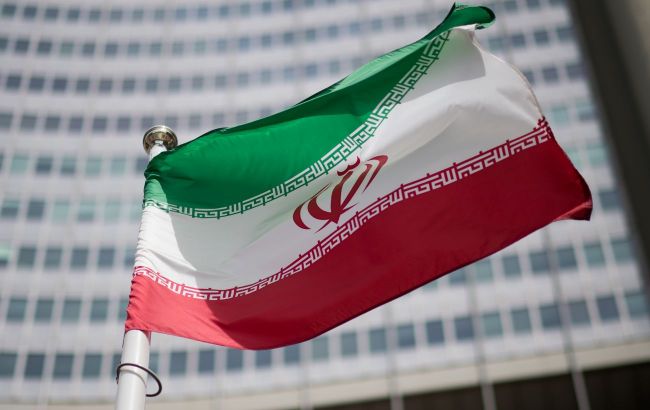 Photo: The flag of Iran (Getty Images)
The administration of US President Donald Trump is discussing the possibility of holding a new round of negotiations with Iran before the current ceasefire expires, but no final decision has been made yet, CNN reports.
According to a CNN source, Washington is considering possible dates and locations for a meeting in case the talks make progress in the coming days. However, these discussions remain preliminary, and it is unclear whether such a meeting will take place.
"We need to be prepared to stand something up quickly should things head in that direction," the source of the outlet said.
The previous round of negotiations, held in Islamabad with the participation of the United States and regional mediators, including Pakistan, Türkiye, Egypt, and Oman, lasted several days but ended without a breakthrough.
A regional source told CNN that another round of talks is possible, and Türkiye is working to bridge the gaps between the two sides. Geneva and Islamabad are being considered as potential venues for a new meeting.
According to CNN sources, US officials remain cautiously optimistic about the prospects for a diplomatic resolution. They do not rule out the possibility that the ceasefire between Washington and Tehran could be extended to buy additional time for negotiations.
What the US is proposing
At the same time, the key obstacle remains Iran’s nuclear program. According to Axios, during the talks, the US proposed that Iran agree to a 20-year moratorium on uranium enrichment and also demanded that its stockpiles of highly enriched uranium be removed from the country.
According to sources, the Iranian side does not agree with these conditions. In particular, Tehran is proposing a shorter timeframe for restrictions and insists on a "monitored process of down-blending" of uranium instead of its full removal.
Sources also said the Iranian delegation believed the sides were close to a preliminary agreement, but public statements by the US side after the talks complicated the situation and caused frustration in Tehran.
The possibility of continuing negotiations is being discussed after the previous round, held on April 11 in Pakistan, ended without results. The sides failed to reach an agreement, in part due to Iran’s refusal to scale back its nuclear program.
Following that, US President Donald Trump sharply increased pressure on Tehran. He announced a naval blockade of the Strait of Hormuz, stating that US forces would intercept vessels paying transit fees to Iran.
In addition, Trump publicly warned that in the event of attacks by Iranian armed forces, the United States is ready to respond. According to him, any attempts to strike US ships would have serious consequences for Iran.