US allows Russian oil transit to China via Kazakhstan until 2027

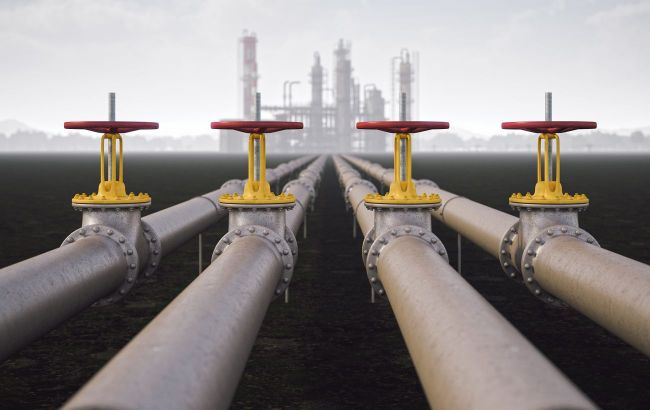 Photo: oil flows from Russia to Kazakhstan via pipelines (Getty Images)
The US administration has extended Kazakhstan’s license to transit Russian oil via pipeline to China. The exemption will remain in effect until March 19, 2027, according to Bloomberg.
How long the license will last
The extension of the license resulted from consultations between Astana and the US Department of the Treasury. The previous permit from the Office of Foreign Assets Control (OFAC) was valid until April 2026. The new exemption has been extended by nearly a year — until March 2027.
Why this matters for the market
Kazakhstan transports 10 million tons of Russian oil to China annually — about 200,000 barrels per day. Officially, Moscow and Astana are negotiating to increase annual volumes to 12.5 million tons.
The decision comes amid turbulence in the global oil market caused by the war in the Middle East. Iran has effectively closed the Strait of Hormuz — a key route for oil exports from the Persian Gulf. Many buyers in Asia are being forced to seek alternative supplies at higher prices.
Impact on Russia and global prices
The extension of the license eases pressure on Russia. Without this exemption, Moscow would have had to find alternative routes to deliver oil to China at a time when Ukrainian drones are targeting oil terminals.
At the same time, statements by US President Donald Trump about a possible end to the war in Iran within two to three weeks have already impacted the market: oil prices have dropped below $100 per barrel.
It is worth recalling that after the start of the full-scale war, the United States and its allies imposed sanctions on Russia’s energy sector. Dozens of shadow-fleet tankers, oil terminals, and intermediary companies were subject to restrictions.
In response, Russia attempted to redirect flows eastward, but logistics have been further complicated by Ukrainian drone strikes. In just the past week, UAV attacks have reduced Russia’s seaborne oil exports by more than $1 billion.
The situation on the global market has worsened due to the war between the US, Israel, and Iran, which has effectively shut down the Strait of Hormuz. Against this backdrop, Europe is preparing for the most serious energy crisis in years: Europeans are being urged to work from home and use cars less to reduce fuel consumption.
At the same time, China — which remains the main buyer of Russian oil — is accelerating its energy independence strategy. Beijing has launched large-scale construction of pumped-storage power plants in mountainous regions.