
US again eases sanctions against Russia: What's being exempted from restrictions

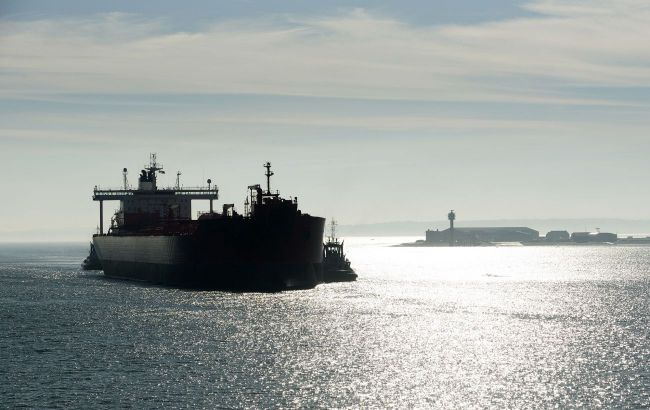 Illustrative photo: sanctions relief remains temporary for now (Getty Images)
The US has removed certain Russian vessels from the sanctions list, including container ships under the Russian flag. The relevant general license allows the completion of oil unloading operations for cargo loaded before March 12, according to the US Department of the Treasury.
What the general license provides
OFAC issued General License No. 134, which temporarily lifts the ban on transactions ordinarily necessary for the sale, delivery, or unloading of Russian crude oil and petroleum products.
Key conditions:
- Validity period — until April 11, 2026;
- Applies to cargo loaded onto vessels before March 12, 2026;
- Covers operations involving blocked vessels, including: vessel management, crew hiring, bunkering, pilotage, registration, flagging;
- Safe mooring, anchoring, crew safety measures, emergency repairs, and environmental protection.
What remains prohibited
The license does not permit:
- New oil loadings;
- Transactions related to Iran;
- Activities prohibited under other US sanctions regimes.
Which vessels were included in the relief
The decision applies to certain Russia-linked companies and assets that were previously added to the Specially Designated Nationals (SDN) list. This allows voyages that were already in progress to be completed without the risk of falling under sanctions restrictions.
In particular, it concerns container ships and tankers under the Russian flag that were transporting oil. Thanks to this step, they can freely unload cargo loaded before March 12.
Among the container ships that were removed from restrictions:
- Fesco Moneron;
- Fesco Magadan;
- Sv Nikolay.
Due to the war between the US and Iran, the effective closure of the Strait of Hormuz, and strikes on oil infrastructure, the global oil market has come under the strongest pressure in recent years.
Previously, EU countries discussed tightening sanctions against vessels transporting Russian oil in circumvention of restrictions, while the United Kingdom announced plans to begin intercepting shadow fleet tankers in its waters.
Recently, Russia delivered the first shipment of fuel to Atlantis. The destination country for the petroleum products was Cuba.
At the same time, the Trump administration is increasing pressure on Iran. The US president stated that he wants to "seize" Iranian oil and did not rule out taking control of Kharg Island — a key oil terminal through which about 90% of Iran’s exports pass.

