Ukrainian partisan burns Russian military vehicle in Sievierodonetsk

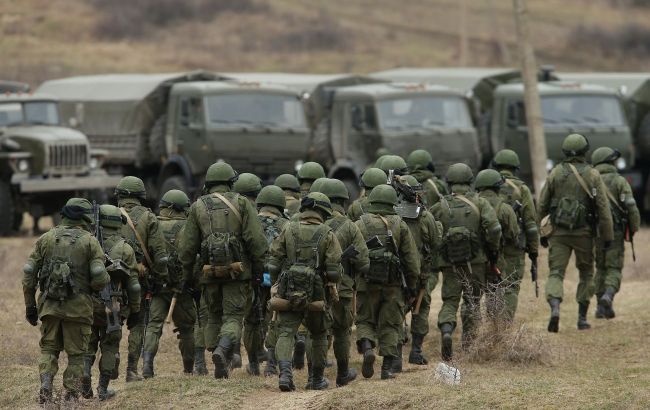 Photo: vehicle with Z symbol burned to the ground (Getty Images)
Atesh partisans carried out another successful operation within the ranks of the Russian army. One of the agents set a military vehicle on fire in Sievierodonetsk, leaving it beyond repair, according to ATESH movement on Telegram.
According to the partisans, the successful sabotage was carried out in temporarily occupied Sievierodonetsk, Luhansk region.
"An agent from the 123rd separate artillery brigade of the Russian Armed Forces, operating on the Lyman front, set fire to a military vehicle of his unit — the car with Z markings burned to the ground and cannot be restored," the statement said.
Ukrainian partisan burns Russian military vehicle in Sievierodonetsk pic.twitter.com/133dk34cSf
— RBC-Ukraine (@NewsUkraineRBC) March 22, 2026
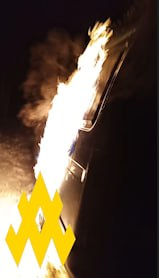
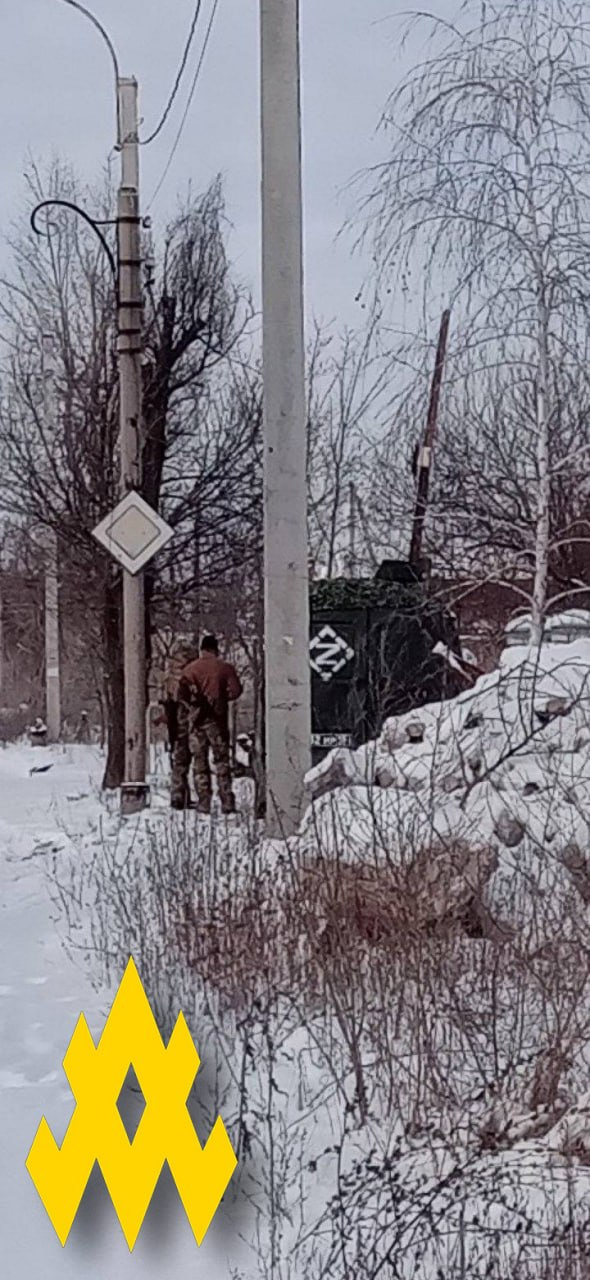
Photo: https://t.me/RBC_ua_news/185777
ATESH said this is far from the first act of sabotage and not the first person to reach out to the partisan movement. According to them, more and more Russian servicemen are contacting the group, including from the Lyman front.
The reason, they say, is that Russian command is sending troops into assaults without preparation, equipment, or any real chance of returning. As a result, some choose to act from within — and ahead of time, before it is too late.
"Sievierodonetsk is one of the key rear hubs on the Lyman front: equipment, personnel, and logistics are concentrated here to support artillery operations against Ukrainian positions. But the rear has long ceased to be a safe place for Putin's army," the group said.
Other ATESH sabotage operations
As a reminder, on March 15 ATESH also reported another sabotage act. Partisans destroyed a transformer in Sievierodonetsk, disabling communications systems and equipment of Russia's 123rd artillery brigade. As a result, the unit lost the ability to coordinate actions and send or receive orders.
We also reported that on March 3, agents carried out sabotage on a railway in occupied Luhansk. By disabling two relay cabinets, they caused a system-wide disruption in train traffic control — the only stable logistics route used by Russian forces to move supplies from Russia to the front line.