Ukrainian official explains why EU targeted rubber in 20th sanctions package

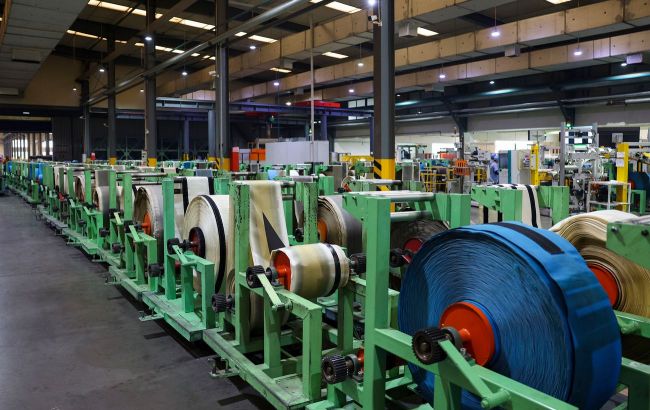 Photo: Russia uses rubber in tires for combat aircraft (Getty Images)
Rubber was included in the EU’s 20th sanctions package against Russia as an attempt to close a specific loophole directly linked to Russia’s military aviation, stated the Commissioner of the President of Ukraine for Sanctions Policy, Vladyslav Vlasiuk, in a comment to journalists.
He noted that the EU decision expands restrictions on rubber and vulcanized rubber products, covering both raw materials and goods critical for tire production, including those used in Russian aviation.
According to Vlasiuk, Russia depends on imports of natural rubber, which is used in tires for Su-34 and Su-35S combat aircraft equipped with Kh-59, Kh-31, Kh-29 guided missiles, as well as guided aerial bombs.
"This dependency had largely escaped sanctions for a long time. In 2024, Russia continued to receive rubber from the EU worth more than $5.8 million, with more than half of that volume being natural rubber," his statement said.
The Presidential Commissioner added that importers include Ikon Tyres (the former Finnish company Nokian Tires, which exited the Russian market after selling its assets to Tatneft in 2023) and Logistics Park Yanino. The list also includes tire manufacturer Cordiant, which has ties to Russia’s defense-industrial complex and supplies products used in the interests of the Russian Defense Ministry.
Supplies via third countries
"Another issue has also been identified — even synthetic rubber, which was already under EU sanctions, continued to enter Russia via third countries in 2024. This showed that existing restrictions have systemic loopholes and need stricter control," Vlasiuk said.
He added that Russia’s dependence is also confirmed by attempts to reduce the critical nature of imports. In particular, in 2024, plans were made to replace up to 80% of natural rubber with synthetic alternatives. However, these cannot fully replicate the properties of natural rubber.
"This argument became one of the grounds for insisting on including rubber in the EU’s 20th sanctions package as a critical element linked to supporting Russia’s military aviation," Vlasiuk emphasized.
New samples of Russian drones contain fresh components manufactured in 2025 in Germany, Japan, Switzerland, the United States, Taiwan, and the United Kingdom.
Meanwhile, Estonian Foreign Minister Margus Tsahkna said the EU has already begun preparing a new, 21st sanctions package against Russia, with energy expected to be the main focus of the upcoming economic restrictions.