Ukrainian drone strikes disrupt Russia's jet fuel exports — Bloomberg

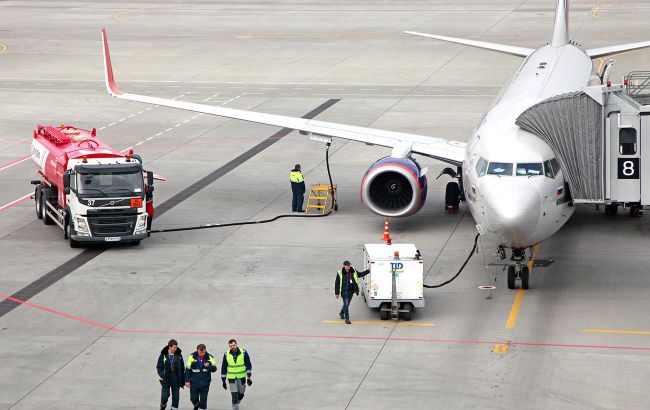 Photo: Russia has halted jet fuel exports (Getty Images)
The Russian government has temporarily banned the export of jet fuel from the country through November 30, 2026, to prevent shortages in the domestic market, according to the Russian government and Bloomberg
According to a Russian government decree, the temporary ban on the export of jet fuel from Russia, including fuel purchased through exchange trading, will remain in effect through November 30, 2026.
"The goal of the decision is to ensure a stable situation in the domestic fuel market," the official statement reads.
Exceptions include fuel in technical tanks used by aircraft in flight, shipments of aviation fuel that cleared customs before the decree took effect, and deliveries under intergovernmental agreements.
Why it happened: Bloomberg analysis
According to Bloomberg, Moscow’s decision will have a negligible impact on international fuel markets.
The agency attributes this to the fact that Ukrainian drone strikes on Russian refineries have reduced crude oil processing in Russia to its lowest level in over 16 years.
Bloomberg notes that Ukraine is attacking a wide range of Russian energy assets, including seaports and pipelines, to reduce the flow of petrodollars into the Kremlin’s coffers.
Jet fuel market: Vortexa data
According to data from the analytical firm Vortexa Ltd, cited by Bloomberg, Russia is not a key player in the global jet fuel market: last year, it exported an average of 30,000 barrels per day, less than 2% of global supplies.
In the first four months of 2026, average daily exports fell to 28,000 barrels, with Türkiye being the main buyer.
Outlook for summer
Bloomberg notes that Russia is entering the summer vacation season, when demand for fuel typically rises. The Russian Ministry of Energy reinstated a ban on exports of most types of gasoline as of April 1 to keep more fuel within the country.
According to the agency's assessment, rising prices at gas stations could worry the authorities: expensive gasoline has led to protests in the past; the most recent ones took place in 2018.
In March of this year, Russia had already banned gasoline exports starting April 1, amid a shortage in the domestic market and rising prices at gas stations.
In the fall of 2025, a gasoline crisis hit at least 57 regions of Russia, and in August and September, over 360 gas stations ceased operations.