Ukraine's ZIRKA interceptor gets AI to shoot down Shahed drones

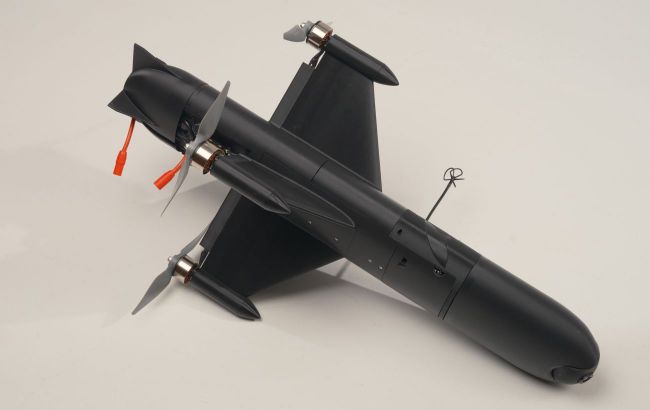 Photo: ZIRKA (NOCTIS) interceptor
How the automated interception system works
The ZIRKA interceptor was developed by NOCTIS with support from Vyriy Industries. The technical requirements for the system were developed in collaboration with the Darknode unit, which has real combat experience in destroying enemy UAVs. The project's main goal is to automate the interception process and make drone destruction less dependent on the operator's skill.
The interceptor is equipped with an onboard mini-computer running artificial intelligence algorithms trained on a dataset of real-world interceptions.
The system independently analyzes the video feed and detects the target. Once the operator confirms target lock, the drone automatically tracks and guides itself to the target.
The onboard computer adjusts the flight path dozens of times per second, reducing errors caused by operator fatigue or lack of experience.
According to NOCTIS Business Development Director Oleksii Komlichenko, the future of interceptor systems lies in moving from automation to full autonomy — from launch to detonation near the target without human intervention.
What is known about ZIRKA 2.0
The development team is already working on the platform's next-generation version, ZIRKA 2.0, which will feature several upgrades designed to counter large-scale drone attacks, including:
- automatic navigation of the interceptor to the target detection area;
- upgraded thermal imaging optics with a detection range of up to 2 km;
- improved target detection algorithms and new communication solutions;
- an automatic warhead detonation system that explodes near the target.