Ukraine’s arms exports to become reality, Zelenskyy says

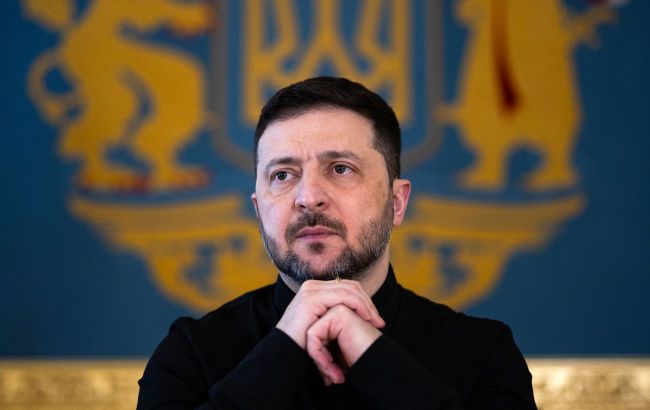 Photo: Volodymyr Zelenskyy, President of Ukraine (Getty Images)
Ukraine is launching weapons exports and has already agreed on all details at the level of state institutions, according to Ukrainian President Volodymyr Zelenskyy.
"Currently, our security expertise and weapons, which have been tested in modern warfare, are of interest to all partners capable of ensuring a real level of protection for their statehood and the lives of their citizens," he said.
The President noted that a special format of cooperation, Drone Deals, was offered to the partners supporting Ukraine. These are special agreements on the production and supply of weapons.
"The algorithm is absolutely clear: at the interstate level, based on the principle of reciprocity, we define the framework for security cooperation through the relevant agreement. Then the process continues at the level of state institutions and manufacturers," Zelenskyy explained.
According to him, Ukrainian companies will gain access to partner markets, provided that Ukraine’s military has the right to receive the required volume of weapons first.
"A surplus of production capacity in Ukraine for certain types of weapons reaches 50 per cent, and this is a direct result of our state investment in Ukraine’s defense industry and our cooperation with partners," the President noted.
Not all countries will receive the weapons
At the same time, Zelenskyy noted that supplying Ukrainian weapons to certain countries is impossible due to their cooperation with Russia.
"This is a serious challenge – to prevent our technologies and weapons from falling into Russian hands," he stressed.
The President added that export processes will be coordinated by the National Security and Defense Council, which will also ensure that the needs of Ukraine’s Defense Forces are met as a priority. Only surplus weapons - those produced beyond state defense orders - will be exported.
Presidential Office chief Kyrylo Budanov previously said Ukraine is not opening free arms sales, as the country remains at war and still requires weapons itself.
He also noted the risk of technology loss and the possibility of advanced systems falling into enemy hands.