
Ukraine's Air Force reveals key details of Russia's Independence Day attack

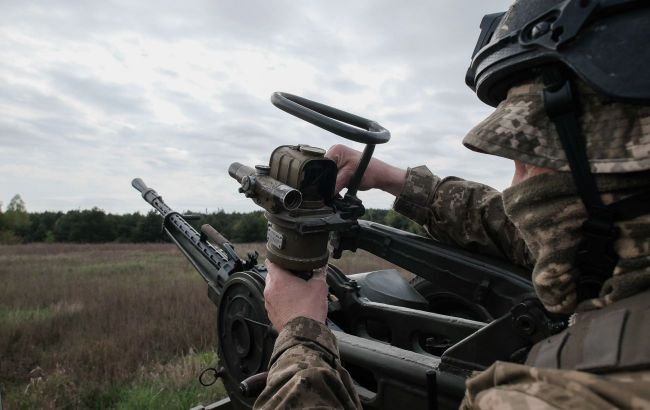 Photo: Ukraine's air defense forces neutralized most of the enemy targets (Getty Images)
On Ukraine's Independence Day, Russian forces chose to concentrate most of their strikes on one particular region rather than attack different parts of the country, according to Ukraine's Air Force.
Overnight, Odesa region came under the heaviest attack.
This time, Russian forces launched:
-
two Oniks anti-ship missiles from occupied Crimea;
-
six Kh-31P and Kh-59 guided air-launched missiles from airspace over the Black Sea;
-
143 attack drones, including Shahed drones, one-third of which were jet-powered, as well as Gerbera, S8000 Banderoль drones and Parody decoy drones launched from six different directions.
Ukrainian Defense Forces used aircraft, anti-aircraft missile forces, electronic warfare units, drone units and mobile fire teams to neutralize the enemy targets.
As of 9 a.m., Ukraine's air defense forces had successfully neutralized:
-
one Oniks anti-ship missile;
-
two Kh-31P and Kh-59 guided air-launched missiles;
-
two S8000 Banderoль drones;
-
109 Shahed, Gerbera and other types of enemy drones.
The Ukrainian Air Force also confirmed hits by enemy weapons at 22 locations, as well as debris from downed targets at five locations.
Another distinctive feature of this Russian attack was that some of the enemy missiles failed to reach their targets. The circumstances are still being clarified, and the data will be released later.
"The attack is ongoing, with several enemy drones still in Ukrainian airspace. Follow safety rules!" the defenders urged.
Earlier, RBC-Ukraine reported that Russian forces struck food warehouses and energy facilities in Odesa region on August 24.
It was later officially confirmed that two Epicentr hypermarkets caught fire in the region following the massive attack.
We also reported on the aftermath of Russia's air attack on Kharkiv region.

