Ukraine-Russia energy ceasefire: Origins of the rumors and what history shows


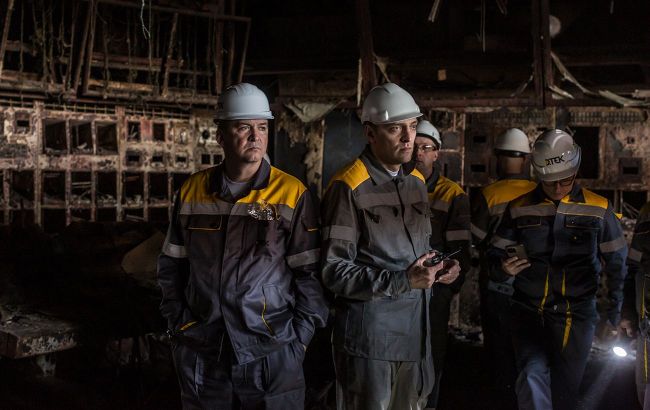 Photo: Ukraine proposed an energy truce at the end of 2025, Russia rejected it (Getty Images)
Social media and the media have exploded with rumors about an energy ceasefire between Ukraine and Russia. The talk is about a mutual moratorium on strikes against energy infrastructure.
Read everything known about the energy ceasefire, its background, and whether there are any official comments.
Key points:
- Telegram channels spread rumors on the morning of January 29 about a possible energy ceasefire between Ukraine and Russia.
- There is no official confirmation from Kyiv or Moscow so far.
- The Kremlin is staying silent, with Peskov saying he “does not comment yet.”
- The theoretical possibility of a ceasefire remains, but there is currently no confirmation.
Rumors about an energy ceasefire
This morning, Telegram channels widely circulated reports from so-called Russian “war correspondents” about a possible halt to Russian strikes on Ukraine’s energy system starting Thursday, January 29.
They claimed that the Russian military had received an order banning strikes on “any facilities in Kyiv and Kyiv region” and on “any infrastructure facilities across Ukraine.”
Russian media resources even saw a wave of dissatisfaction among Russians.
Rumors are spreading that Ukraine and Russia agreed on an energy ceasefire during talks in Abu Dhabi held on January 23–24 with US participation.
Ahead of the talks, the Financial Times, citing sources, wrote that Ukrainian and American negotiators would propose an energy ceasefire to the Russians in exchange for Ukraine’s Armed Forces stopping attacks on Russian oil refineries and tankers of Russia’s shadow fleet.
Social media reports say that Ukraine has a similar order to refrain from strikes on energy infrastructure facilities.
However, there are still no official confirmations from either the Russian or Ukrainian side on any temporary energy ceasefire being reached.
The Kremlin remains silent
The Kremlin, for its part, neither confirms nor denies reports of an energy ceasefire with Ukraine.
Russian propagandists turned to Kremlin spokesperson Dmitry Peskov, but he also refused to respond to information about talks between Kyiv and Moscow on a moratorium on strikes against energy infrastructure.
“No, I can’t comment on this yet,” Putin’s spokesperson replied to questions about the energy ceasefire.
Ukraine previously proposed an energy truce
In December 2025, President Volodymyr Zelenskyy said that Ukraine was ready for an energy truce if Russia agreed.
“As president, I certainly support such an idea. I believe that an energy truce is normal — any truce at all. We will support any ceasefire,” the president said at the time.
However, the Kremlin rejected the proposal, cynically stating that "it was working toward peace, not a truce.”
When Ukraine and Russia had an energy ceasefire
In March 2025, during talks involving Ukraine, Russia, and the United States in Riyadh, the possibility of a temporary moratorium on strikes against energy infrastructure (an energy ceasefire) was discussed. Such a truce was reached at a technical level during the negotiations.
However, Kyiv and Moscow announced different dates for its start.
But even if the agreement was reached, it was not formally established and was regularly violated by Russia as it attacked Ukraine’s energy infrastructure.
By its strikes on energy facilities, Russia brought the situation in Kyiv to an extremely difficult state. The massive Troieshchyna residential area in the Desnianskyi district was left without heating and came close to a humanitarian catastrophe.
Russia is preparing strikes. Are truce rumors just assumptions?
A servicemember of the Territorial Defense Forces of the Armed Forces of Ukraine and military expert Oleksandr Musiienko, told RBC-Ukraine that according to Ukrainian intelligence data and statements by the president, the enemy is planning new missile strikes against Ukraine, including energy and critical infrastructure facilities.
The timing of the strikes is unknown, but the risks exist. The expert calls the ceasefire rumors mere assumptions, backed with no concrete facts.
“They indicate the opposite — that Russia is preparing to carry out strikes in the near future. When exactly this will happen is hard to say, but the risks that this will happen exist,” Musiienko says.
He noted that Russia always conducts any negotiation process using instruments of pressure.
“It has been the case historically for us. Accordingly, now too there is a probability that even though the enemy is in a negotiation process and travels to meetings, it perceives strikes on our energy sector as a means of pressure aimed at pushing us toward compromises and concessions,” Musiienko did not rule out.
The expert adds that it is impossible to completely rule out the possibility of a ceasefire, but there is currently no official decision.
“Although theoretically it is also impossible to rule out any possibility of reaching some kind of energy truce. Perhaps it will be discussed on February 1 during the next negotiation meeting,” Musiienko suggests.
FAQ
When was the last time an energy ceasefire between Ukraine and Russia was reached?
- In March 2025, during talks in Riyadh, temporary, at a technical level. Russia violated it.
Is there one now?
- Officially — no. Rumors about a halt to strikes starting January 29 have not been confirmed.
What does Ukrainian intelligence say?
- Russia is preparing new missile strikes on critical infrastructure and energy facilities.
Can reports by Russian “war correspondents” be trusted?
- No. The expert calls their reports mere assumptions, not backed by facts.
Is Russia staying silent?
- The Kremlin refused to comment on reports about a moratorium on strikes.
Did Ukraine propose a truce?
- Yes, earlier. In December 2025, but Russia rejected the proposal at the time.