Ukraine and Russia show 'flexibility' on control of eastern territories — BBC

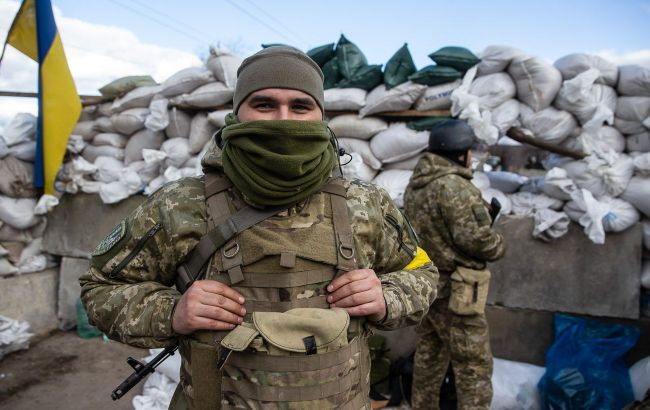 Photo: The US views the parties' public positions as mere rhetoric (UNIAN)
Ukraine and Russia are privately showing "some flexibility" on the question of who will control Ukraine's eastern regions in a postwar scenario, according to the BBC.
The agency notes that the comments from US officials interviewed by journalists came on the eve of the first trilateral talks between Ukraine, the US, and Russia since February.
Today, November 10, and tomorrow, November 11, representatives of the three countries plan to meet in Abu Dhabi. However, the positions of Kyiv and Moscow on ending the war remain sharply divergent.
The key point of contention is Ukraine's Donetsk region, most of which is occupied by Russia.
Specifically, Moscow is demanding that Ukraine relinquish the Donbas territory it still controls, while Kyiv wants to freeze the front line to maintain control over areas that are crucial to the country's future security.
And although neither side has backed down from these demands, a US official, speaking to the BBC, suggests that this is merely a public stance and that both sides have shown "a little bit of flexibility, privately."
War cannot end without security guarantees
At the same time, the official acknowledges that the problem will not be resolved without discussing a new "security architecture."
"They will not solve the Donetsk issue and the territorial issue until they know what the security architecture is going to be after the war. And keep in mind, we're not going to be able to finalise one without the other," he says.
The BBC reports that for Ukraine, a post-war "security architecture" could include guarantees that allies would come to the country's aid in the event of a new attack. For Russia, this could involve its long-standing desire to see NATO withdraw from Eastern Europe, a move that would cause concern among Europeans.
The proposed framework includes security consultations and hotlines for communication during crises, as well as "reciprocal de-escalation measures" between the two sides.
Officials also raised the issue of resuming the work of the NATO-Russia Council, whose activities have been largely suspended since 2022.
Yesterday, against the backdrop of recent events, European Commission President Ursula von der Leyen called for NATO and EU allies to be included in any "meaningful discussions about Europe's security architecture". Ukrainian President Volodymyr Zelenskyy also advocates for Europe's participation in the negotiations.
A US official tells the BBC that the US will propose shifting to a multilateral format, bringing Europeans into the discussion.
"Hopefully we'll get the Russians on board," the official concludes, adding that "the Russians have a bad taste in their mouth with the Europeans."
What else important to know
Yesterday, US President Donald Trump stated that a peace agreement to end the war could be reached soon. At the same time, he suggested that Ukraine is "going to end up with a little bit different shape" in a territorial sense.
According to US Secretary of State Mark Rubio, Ukraine must feel secure after the war. However, he emphasized that the country would only be able to receive security guarantees that Russia, in particular, supports. Otherwise, this mechanism will not work.
The issue of security guarantees will be one of the key topics at the talks in Abu Dhabi. At the same time, the US side does not expect the meeting on November 10 and 11 to lead the parties to conclude a peace agreement during those very days.