UK hesitant to use Russian assets for Ukraine, The Times explains Starmer's dilemma

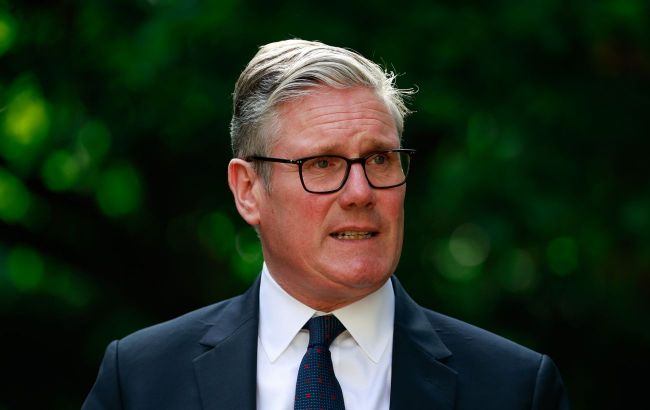 Photo: British Prime Minister Keir Starmer (Getty Images)
The European Union's decision to provide €90 billion to Ukraine has placed British Prime Minister Keir Starmer in a "challenging position." Starmer has long advocated using frozen Russian assets to support Ukraine, as contributing to the loan without them would be difficult, reports The Times.
The Times wrote that President Zelenskyy expressed gratitude to Europe for stepping in to help, despite Washington's reluctance, as the funds would allow him to pay troops and purchase weapons for another two years. However, Europe's decision did not directly punish the aggressor.
Belgium's resistance, some countries' fear of alleged "retaliation" from Russia, reluctance to damage the Eurozone's reputation, and concerns about setting a precedent for confiscating enemy assets led the EU to adopt a different approach.
Starmer's dilemma
The Times noted that the EU decision placed Starmer in a difficult position. Over £8 billion of Russian assets are frozen in the UK, and Starmer has consistently supported the use of Russian funds to assist Ukraine.
EU leaders are now asking him to contribute to the loan for Ukraine, despite the UK not being an EU member. Without access to the frozen Russian assets, making such a contribution would be challenging.
Being outside the EU, Starmer can independently decide whether to contribute. At the same time, Putin, who called any attempt to use Russian money for Ukraine a "robbery," would likely provoke retaliatory measures from Moscow.
Nevertheless, the risks of "economic retaliation" from Russia are considered very low, as most British investments in Russia have already been written off. The UK must remain prepared for other forms of Russian reprisal, but this should not prevent the government from taking steps that could harm the Russian regime.
The Times concluded that coordinating these actions with other non-EU countries holding Russian assets, such as Canada and Japan, could strengthen the signal of solidarity with Ukraine. Russia initiated the war, and it must bear the costs.
Meanwhile, other outlets indicate that the UK government has ruled out using £8 billion of frozen Russian assets held in British banks to support Ukraine, as London will not act unilaterally.
The EU Council's hesitation on December 18-19 to seize Russian frozen assets was influenced by Russian threats, US pressure, Belgium's concerns, and opposition from countries such as Hungary and Slovakia. Instead, EU leaders allocated €90 billion to Ukraine for 2026 and 2027, without touching Moscow’s assets.