Trump submits 30-year nuclear deal with Saudi Arabia to Congress — WSJ

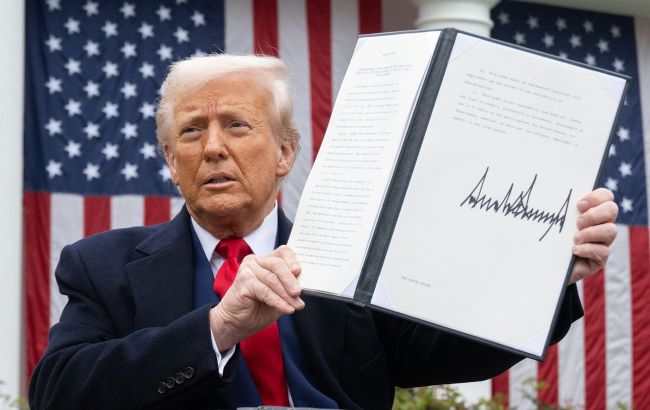 Photo: Donald Trump (Getty Images)
US President Donald Trump has submitted a nuclear agreement with Saudi Arabia to Congress for review, but has not backed down from his last-minute condition that the kingdom normalize relations with Israel, according to The Wall Street Journal.
Trump's move is expected to spark months of debate among lawmakers on how to strengthen the US nuclear industry while curbing the proliferation of weapons of mass destruction in the Middle East.
When representatives of the Trump administration announced the 30-year agreement last month, they stated that it would give American companies a central role in the development of Saudi Arabia's nuclear infrastructure, excluding foreign competitors.
However, the deal has proven controversial because it potentially paves the way for uranium enrichment in Saudi Arabia.
The WSJ explains that, under US law, the agreement must be submitted to Congress for review. Trump submitted it on Monday, and it will be difficult to block the document. Doing so would require a joint resolution and a two-thirds majority in both chambers to override a potential presidential veto.
What else important to know
Saudi Arabian officials claim that the kingdom needs to develop a civilian nuclear industry that will utilize its uranium ore deposits. According to the Saudi side, they plan to develop these deposits to meet domestic energy needs. This, they claim, will free up most of the oil produced for export and increase revenues.
As part of the agreement, US and Saudi officials will conduct a two-year study to determine the commercial viability of US companies building a uranium enrichment facility in the kingdom.
If the study shows that domestic uranium enrichment is justified, US companies will build such a facility under an agreement that will prevent the transfer of sensitive technologies to the Saudi side.
However, while representatives of the Trump administration claim that US involvement guarantees the peaceful nature of the nuclear program, critics believe that it will contribute to the proliferation of nuclear technology in the unstable Middle East.
Trump's political demand that Saudi Arabia normalize relations with Israel by joining the Abraham Accords has become a new obstacle to the implementation of the nuclear deal. Trump put forward this condition last month, after the agreement had already been negotiated and signed, and continues to insist on it.
The Abraham Accords were concluded in 2020 with US mediation and signed by the United States, Israel, the United Arab Emirates, and Bahrain.
According to CNN, the Trump administration had previously agreed to allow Saudi Arabia to enrich uranium without standard international nonproliferation safeguards.