Trump's new Iran plan could be derailed by single Truth Social post - Media

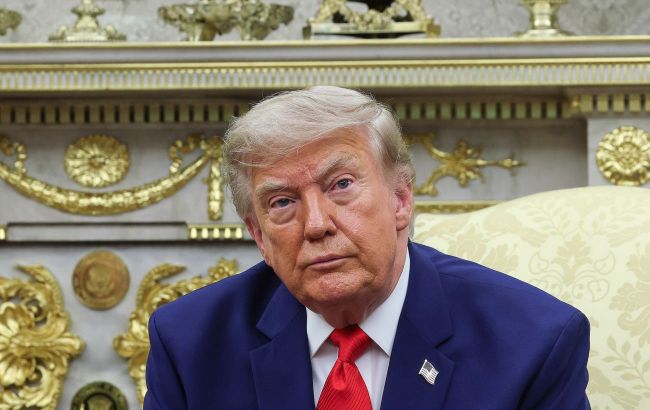 Photo: US President Donald Trump (Getty Images)
US President Donald Trump has shifted his approach to Iran, opting for sanctions and a wait-and-see strategy instead of military action. However, even his own advisers acknowledge that the plan could be derailed by a single emotional post on Truth Social, The Atlantic reports.
Essence of the new strategy
Trump's previous attempts to end the conflict — limited bombing campaigns and harsh threats toward Tehran — failed to produce results.
Each time the president announced a possible breakthrough, Iranian hardliners changed the terms and backed away from a deal.
According to the outlet, the White House is now betting on time. Trump is downplaying both diplomacy and military action, instead relying on economic pressure through the continuation of sanctions and a naval blockade of Iranian ports.
The calculation is that the strategy will inflict economic damage on Tehran and force it back to the negotiating table.
Why Trump was persuaded to rely on sanctions
According to two senior administration officials, aides have spent recent weeks showing Trump how significantly existing sanctions are already hurting Iran's economy.
The case was presented to the president during Oval Office meetings and, on one occasion, during a phone call from Treasury Secretary Scott Bessent while Trump was finishing a round of golf.
Trump himself publicly endorsed the argument, telling reporters that "Iran is broke, totally broke."
According to the report, Bessent argued that the Strait of Hormuz could lose much of its strategic importance within two years, as up to 70% of energy supplies would eventually be transported through underground pipelines.
One social media post could derail the entire plan
At the same time, the new strategy requires patience from Trump — a quality that even his own advisers acknowledge he does not naturally possess. Sources told the outlet that a single angry post on Truth Social could trigger an escalation that would undermine the entire approach.
According to advisers, the plan also risks failing to deliver quick results. Iran has repeatedly surprised Washington with its economic resilience, and the regime has shown a willingness to endure hardship in order to remain in power.
Another factor influencing Trump's decision was the depletion of certain US munitions stockpiles, particularly missile defense systems. According to The Atlantic, some missile inventories have fallen to just 20% of the levels the Pentagon would like to maintain.
The outlet notes that shortages could affect the protection of US interests in Asia, while stocks of some advanced interceptor missiles are so depleted that the United States is unable to provide or sell those weapons to Ukraine.
The US-Iran war has been ongoing since late February 2026.
A key flashpoint in the confrontation has been the Strait of Hormuz, through which about 20% of global oil and gas production previously passed.
Since April 13, the United States has imposed a naval blockade on Iranian ports, while Tehran has effectively closed the strait.
Trump has previously outlined two possible paths regarding Iran: waiting for the country's economic decline or resuming military strikes. Iran, for its part, has proposed conditions for reopening the strait, insisting on transit fees for passing vessels.